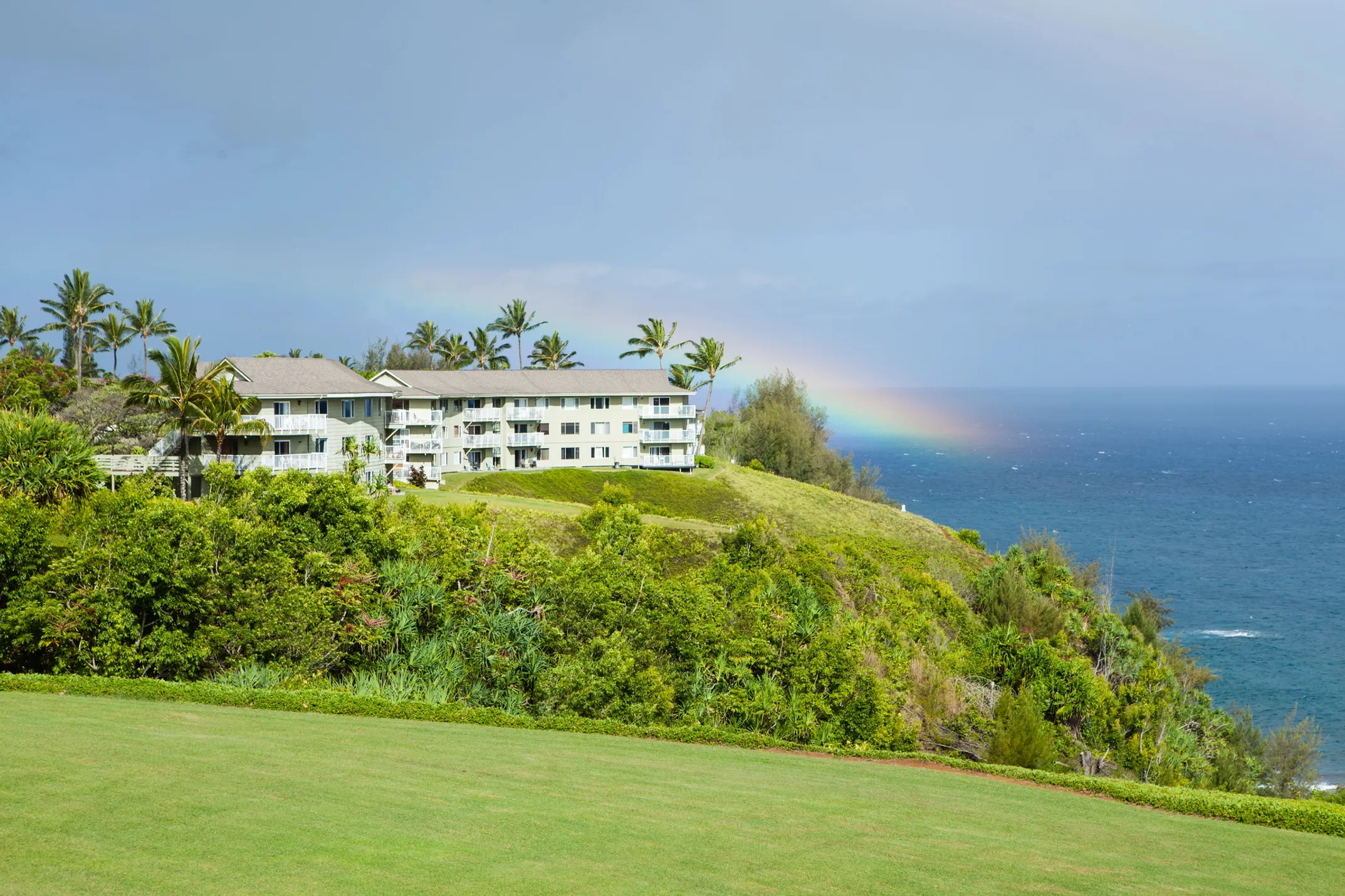
Wailua & Kapaʻa: Sacred Waters and Social Hearts
Where ancient history meets vibrant community life on Kauai's Royal Coconut Coast
Written by a Local Expert
Kalani MillerThe corridor from Wailua River to Kapaʻa town forms the East Side's true beating heart. Here ancient history weaves through natural beauty and vibrant community life in ways that make every experience feel connected to something larger.
Wailua was where the spiritual world touched the physical world most directly. Walking along the river today, you can still feel that energy if you pay attention. The way morning mist rises from the water. How certain stones seem to hold warmth even in shade. The silence that falls when trade winds pause between gusts.
The River of Kings
Wailua River flows 20 miles from Mount Waiʻaleʻale's rain-soaked slopes to the ocean, carrying the life force of Kauai's wettest mountain to its sacred coast. It's Hawaii's only truly navigable river, deep enough for large canoes to travel far inland to collect fresh water, fish, and materials from the island's interior.
High chiefs chose this river valley as their capital for practical and spiritual reasons. The river provided transportation deep into the island's heart. Rich soil in the valley bottom supported extensive taro cultivation. Fresh water flowed year-round even during dry seasons. But most importantly, the spiritual energy here felt stronger than anywhere else on Kauai.
Kayaking to Secret Falls
Kayaking upstream offers the closest experience to how ancient Hawaiians traveled this sacred waterway. Most people paddle 45 to 60 minutes to reach Uluwehi Falls, which locals call Secret Falls. The journey starts easy in the lower river's calm water. As you paddle upstream, the current gets stronger and the river narrows between steep valley walls.
Tree ferns overhang the water, creating natural tunnels of green. Guava trees drop ripe fruit that floats downstream like tiny yellow boats. White cattle egrets stand motionless in shallow water, waiting for small fish to swim within striking distance. Hawaiian moorhens – endangered native birds – dart between reeds along the banks.
At the end of navigable water, you'll beach your kayak and start a one-mile hike through muddy rainforest trails to reach the falls. The trail crosses streams several times and can be very slippery after rain. Proper hiking shoes with good tread are essential.
The payoff comes when you reach Uluwehi Falls, where a 120-foot cascade drops into a swimming hole surrounded by ginger plants and hanging ferns. The water stays cool year-round, fed by mountain streams that rarely see direct sunlight. Swimming here feels like entering a natural cathedral where the only sounds are falling water and tropical birds.
Rental Options: Companies throughout the East Side offer kayak rentals and guided tours. Some deliver kayaks directly to Wailua River State Park, so you can start paddling without worrying about transportation. Guided tours include interpretation of the river's cultural and natural history.
Smith's Fern Grotto Tour
Smith's Fern Grotto Tour offers a more relaxed way to experience the river's magic. The same local family has operated these boat tours for four generations, making them one of Kauai's most enduring visitor traditions. Wide, open-air boats glide two miles upriver while onboard musicians play traditional Hawaiian songs and teach passengers basic hula steps.
The journey includes stories about river legends passed down through generations of local families. You'll hear about the dragon woman Kihawahine who lived in a fishpond near the river mouth. Learn why certain bends in the river were considered kapu to commoners. Discover how ancient Hawaiians used river stones to grind poi and create tools for fishing and farming.
The destination is the Fern Grotto, a natural amphitheater formed inside a lava rock cave. Ferns hang from the ceiling like a living curtain, kept green by mists from a small waterfall that feeds the grotto year-round. Hawaiian royalty once used this serene location for important ceremonies because of its incredible natural acoustics.
💡 Quick Tips
- • Kayak early to beat crowds
- • Wear water shoes for hiking
- • Visit waterfalls in morning light
- • Bike path gets busier after 9am
🌴 East Side Pages
Waterfalls That Stop Time
Wailua Falls
Wailua Falls drops 80 feet in a perfect double cascade that splits around a central rock formation before reuniting in the pool below. Television fans worldwide recognize these falls from the opening credits of Fantasy Island, where they appeared in establishing shots that promised exotic adventures in a tropical paradise.
The falls' greatest appeal is their accessibility. No hiking, no muddy trails, no stream crossings. Simply drive four miles inland from Līhuʻe on Highway 583 and park at the roadside lookout. There it is – one of Hawaii's most photographed waterfalls spread out before you like a living postcard.
Visit on sunny mornings for the best chance of seeing rainbows form in the waterfall's mist. The combination of falling water, tropical sunlight, and trade wind breezes creates perfect conditions for these natural light shows. Photographers often arrive before sunrise to capture the falls in the golden light that follows dawn.
ʻŌpaekaʻa Falls
ʻŌpaekaʻa Falls offers a completely different but equally spectacular experience. Located farther inland along Kuamoʻo Road (Highway 580), this 150-foot cascade tumbles down a steep cliff face into a gorge surrounded by dense tropical vegetation.
The waterfall's name translates to "rolling shrimp," referring to the freshwater shrimp that were once abundant in the stream. These tiny native creatures were an important food source for ancient Hawaiians, who developed sophisticated techniques for catching them using woven baskets and stone traps.
Local Secret: At the ʻŌpaekaʻa Falls lookout, cross the street to find the Wailua River Lookout. This viewpoint offers an equally impressive panoramic view of the entire river valley below, showing how the river winds through taro fields and residential areas before reaching the ocean.
Kapaʻa: Where Community Comes Alive
Kapaʻa town embodies the East Side's evolution from ancient Hawaiian capital to modern community center. The name means "the solid one," possibly referring to steady trade winds that made this coastline perfect for sailing canoes or to solid ground that provided reliable building sites.
Founded as a sugar plantation community in the late 1800s, Kapaʻa grew around the needs of workers and their families. Company stores sold imported goods. Schools taught children of many ethnicities. Churches served different religious traditions that immigrants brought from their homelands. Over time, these separate communities blended into the multicultural society that defines modern Kauai.
Old Kapaʻa Town
Walking through "Old Kapaʻa Town" feels like stepping into a living museum of plantation-era architecture. Wooden storefronts with wide covered sidewalks protected shoppers from sun and rain. False fronts made simple buildings look more impressive. Tin roofs shed tropical downpours quickly while providing insulation from heat.
Modern businesses occupy these vintage buildings while preserving their historical character. Surf shops sell boards shaped by local craftsmen who learned their skills from previous generations. Art galleries showcase work by island artists who find inspiration in the same landscapes that have moved people for centuries. Clothing stores offer everything from traditional Hawaiian prints to modern resort wear designed for island living.
First Saturday Art Walk
The monthly First Saturday Art Walk transforms Kapaʻa into an outdoor festival that showcases the community's creative spirit. Streets close to vehicle traffic while musicians set up on corners and in parking lots. Food vendors serve everything from traditional Hawaiian plate lunches to fusion cuisine that reflects the island's multicultural heritage.
This isn't a tourist show put on for visitors – it's genuine community culture where locals come out to socialize, support their neighbors' businesses, and celebrate the creative energy that makes small-town island life special. Families bring lawn chairs and coolers. Kids run between booths while parents catch up with friends.
Ke Ala Hele Makalae Coastal Path
The town's greatest recreational asset is Ke Ala Hele Makalae, which translates to "The Path that Goes by the Coast." This paved, 8.5-mile multi-use path represents one of Kauai's most successful community development projects, providing safe, scenic access to the coastline for people of all ages and abilities.
The main Kapaʻa section begins just south of town and extends north past beautiful Kealia Beach to the remote Donkey Beach area. The path stays mostly flat and completely separated from highway traffic, making it perfect for families with strollers, elderly visitors with mobility concerns, and wheelchair users who want to experience Kauai's coastline without barriers.
Along the route, interpretive signs provide valuable information about local history, native plants, ocean conditions, and wildlife viewing opportunities. You'll learn how ancient Hawaiians used different coastal areas for fishing, salt making, and canoe launching. Discover which native plants were essential for medicine, food, and tool making.
Bicycle rental shops located directly on the path in Kapaʻa town make it easy to explore the entire route without needing a car. Beach cruiser bikes with wide tires and comfortable seats handle the paved surface perfectly. Many rental shops include helmets, water bottles, and basic repair kits with their bikes.
Early morning and late afternoon provide the best conditions for walking or biking the path. Trade winds stay calmer during these times, and angled sunlight creates dramatic shadows across the landscape. Sunrise from the path can be spectacular, with the first light illuminating the mountains behind Kapaʻa while the ocean still holds the deep blue colors of night.
Accommodations
The Wailua-Kapaʻa corridor offers the East Side's widest range of accommodations, from oceanfront resorts to budget-friendly condos.
Oceanfront Resorts
OUTRIGGER Kauai Beach Resort & Spa sprawls across 25 lush acres that showcase tropical landscaping at its finest. The resort's pool complex features a 75-foot waterslide that delights children while providing parents with adjacent areas for relaxation. Extensive grounds include walking paths, cultural gardens, and event spaces that host traditional Hawaiian activities like lei making and hula lessons.
Sheraton Kauai Coconut Beach Resort offers oceanfront luxury with multiple restaurants that serve everything from casual poolside snacks to elegant multi-course dinners. The resort's authentic luau provides cultural experiences that educate as well as entertain, featuring traditional foods, music, and dance that explain Hawaiian history and values.
Condo Resorts
Islander on the Beach sits oceanfront next to the Coconut Marketplace, combining residential comfort with resort-style amenities and convenient shopping and dining options.
Kaha Lani Resort offers a more secluded atmosphere between Lydgate Park and the Wailua Golf Course, providing easy access to family-friendly beach activities and championship golf while maintaining peaceful surroundings.
Pono Kai Resort spans 12 beachfront acres in the heart of Kapaʻa town, putting guests within walking distance of restaurants, shops, and the coastal path while providing oceanfront accommodations.
Fern Grotto Inn offers beautifully restored plantation-style cottages near the Wailua River. These individual units provide privacy and romance that larger resorts cannot match while maintaining the historical character that connects guests to the area's plantation heritage.