Līhuʻe: Where Island Stories Begin
Gateway to Kauai's East Side and the heart of island history
Written by a Local Expert
Kalani MillerLīhuʻe means "cold chill" in Hawaiian. Royal Governor Kaikioʻewa named it when he made it his governing seat in 1837. Back then, it was just a small village. The town's destiny changed forever when German colonists founded Lihue Sugar Plantation in 1849.
For the next 150 years, sugar shaped everything. The economy, the buildings, the railroad that once carried cane to the mills. Most importantly, it shaped the people. Workers came from Portugal, the Philippines, Japan, Korea, and Puerto Rico. Their children grew up speaking Pidgin English that mixed all their languages together. Their grandchildren became the local families who still call Līhuʻe home today.
Your First Taste of Paradise
Kalapaki Beach
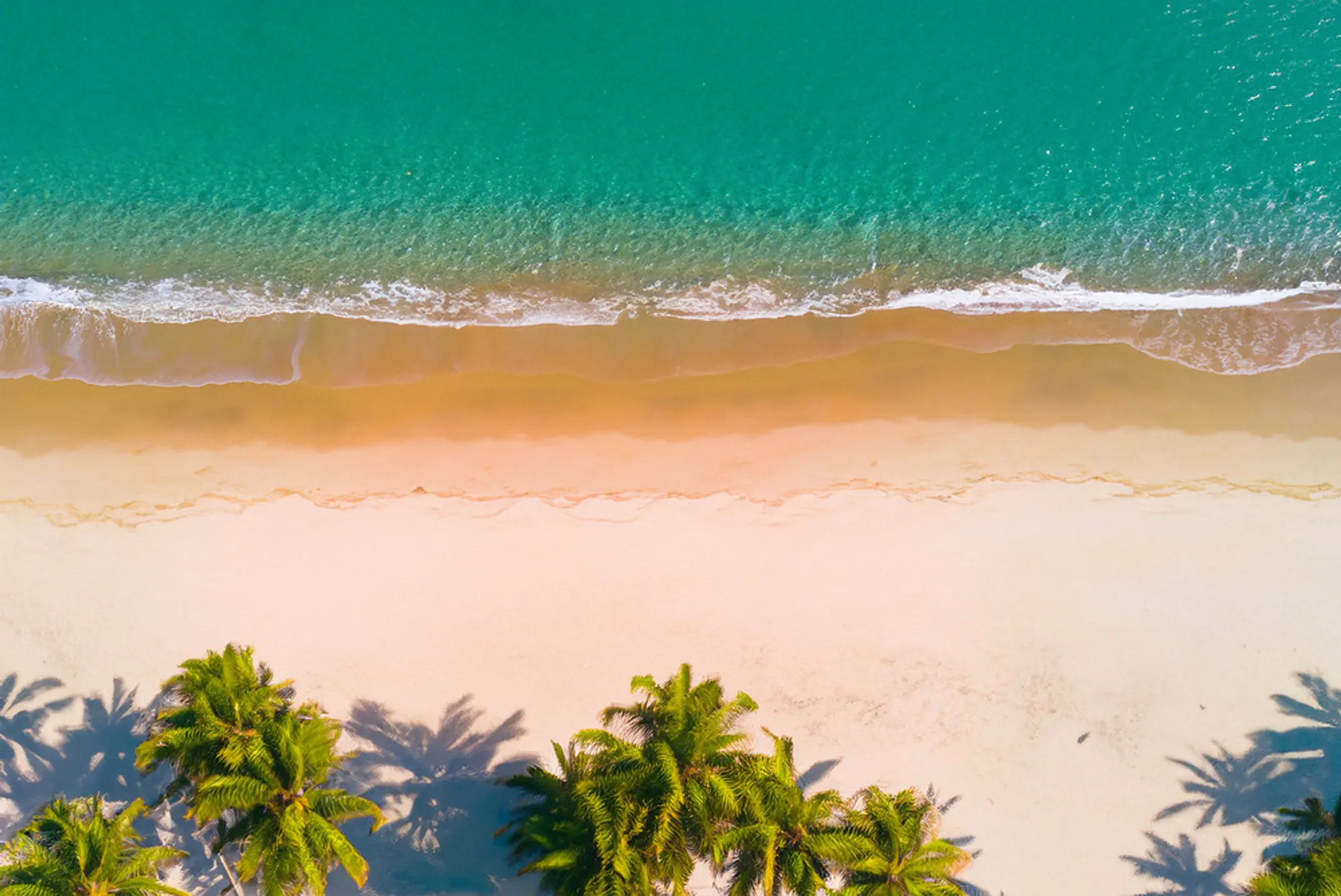
Step off the plane and you're minutes from Kalapaki Beach. This crescent bay hides behind a large breakwater that keeps waters calm and gentle. The breakwater wasn't built for swimmers – it protects the harbor from big winter swells. But it creates perfect conditions for families who want to enjoy the ocean without worrying about strong currents.
Kids splash safely in the protected waters while parents relax under umbrellas from nearby resorts. The beach has everything you need – clean restrooms, outdoor showers, volleyball nets set up for pickup games, and rental shacks where you can grab surfboards, boogie boards, or snorkel gear without planning ahead.
Nawiliwili Harbor
Right next door sits Nawiliwili Harbor. The name comes from wiliwili trees that once covered the area. These native trees bloom bright orange flowers that drop their leaves during dry seasons. Hawaiian canoe builders prized wiliwili wood because it was lightweight and didn't waterlog easily.
Today the harbor buzzes with activity. Boat tour companies launch snorkel trips to the Na Pali Coast. Sport fishing charters head out before dawn chasing marlin and ahi. Outrigger canoe clubs practice their paddling in the calm inner harbor. When cruise ships arrive, they create dramatic backdrops against the green mountains behind town.
Movie Magic: Raiders of the Lost Ark fans will recognize the harbor area. Those opening scenes were filmed at nearby Kipu Ranch, and the seaplane that picks up Indiana Jones actually landed right in Nawiliwili Harbor.
💡 Quick Tips
- • Airport is 2 minutes from Kalapaki Beach
- • Book museum tours in advance
- • Try the Kilohana railway tour
- • Hamura Saimin is cash only
🌴 East Side Pages
Museums That Tell the Real Story
Kauai Museum
Beach time is important, but skip the sand for an hour to visit Kauai Museum. This lava-rock building sits in downtown Līhuʻe and holds the cultural treasures of both Kauaʻi and its mysterious neighbor island, Niʻihau.
Walk through exhibits that trace the island's complete story. Start with geological formation millions of years ago when underwater volcanoes built these islands grain by grain. Learn how Polynesian voyagers found their way across thousands of miles of open ocean using only stars, currents, and bird flight patterns. See artifacts from the sugar plantation era that brought so many different cultures together.
The art collection deserves extra time. Local artists capture island life in ways that photographs never could. Paintings of fishing nets drying in Hanalei Bay. Sculptures carved from native koa wood. Quilts that tell family stories through traditional Hawaiian patterns.
Grove Farm Homestead Museum
Grove Farm Homestead Museum takes you even further into plantation life. This preserved 19th-century sugar plantation spreads across 80 acres just outside town. Guided tours wind through the plantation owner's house, worker housing, and gardens that fed the community.
You'll see the Big House where the Wilcox family lived for generations. Their furniture, photographs, and personal belongings remain exactly as they left them. Walk through the workers' camps where Portuguese, Filipino, and Japanese families raised their children. Each group built homes that reflected their homeland traditions while adapting to island life.
The plantation's gardens still grow many of the same fruits and vegetables that fed workers 150 years ago. Breadfruit trees provide starchy staples. Mango trees offer sweet treats during summer months. Vegetable plots demonstrate how plantation families supplemented their company-provided rice and meat rations.
Modern Līhuʻe Adventures
Kilohana Plantation
The legacy of plantation life continues at Kilohana Plantation, a historic estate that has been transformed into one of Kauai's premier visitor attractions. The main house, built in 1935, was the home of Gaylord Wilcox, heir to one of the island's most influential sugar families.
The highlight here is the Kauai Plantation Railway, a 40-minute journey on authentic sugar plantation trains. A conductor shares stories while you roll past over 50 varieties of fruit trees and vegetable gardens. You'll see everything from common papayas and bananas to exotic rambutans and dragon fruit. The railway follows the same routes that once carried harvested sugar cane to the mills.
Stop at the Koloa Rum Company tasting room to sample spirits made from Kauai-grown sugar cane. The distillery revived rum production on an island where sugar once ruled. Their small-batch rums capture flavors unique to Kauai's red dirt and tropical climate.
Browse boutique shops in the restored plantation buildings. Local artisans sell jewelry made from Niʻihau shells, woodwork carved from fallen koa trees, and clothing designed with traditional Hawaiian patterns. The estate also hosts Luau Kalamaku, an award-winning dinner show that tells the story of Polynesian voyaging through music, dance, and storytelling.
Championship Golf
Golf enthusiasts have two exceptional choices in Līhuʻe. Puakea Golf Course spreads across rolling hills with the dramatic Haupu Mountain Range providing a stunning backdrop. This championship course challenges players with trade wind conditions and elevation changes while offering some of the most beautiful mountain views on the island.
The Ocean Course at Hokuala delivers a completely different experience. Several holes run directly along the Pacific cliffs, where golfers can watch waves crash on lava rocks between shots. The signature 16th hole plays across a dramatic oceanfront ravine that tests both skill and nerves. On clear days, you can see the islands of Oʻahu and Molokaʻi from the elevated tees.
Unique Animal Experiences
For something completely unique, the Kauai Humane Society offers a "Shelter Dog Field Trip" program that lets visitors take homeless dogs on day-long adventures. You can hike trails, visit beaches, or simply explore town with a four-legged companion who desperately needs human interaction. Many visitors form such strong bonds that they end up adopting their adventure buddy.
Tropicats provides another heartwarming experience. This sanctuary cares for hundreds of Kauai's stray and feral cats in a peaceful setting surrounded by tropical gardens. Visitors can interact with friendly cats available for adoption while supporting the organization's spay and neuter programs that help control the island's cat population humanely.
Where to Eat in Līhuʻe
Hamura Saimin
Hamura Saimin occupies a special place in Hawaii's culinary landscape as a James Beard Award-winning restaurant that serves some of the most authentic local food anywhere in the islands. This cash-only, counter-seating institution has operated from the same small building since 1951, serving legendary bowls of saimin – the local noodle soup that reflects Hawaii's multicultural mixing.
Saimin combines Chinese egg noodles with Japanese dashi broth, Portuguese sausage, Korean kimchi, and Hawaiian barbecue char siu pork. The result is comfort food that tastes like Hawaii's cultural melting pot in liquid form. Each bowl tells the story of immigrant communities that adapted their home cooking to local ingredients and neighbors' tastes.
The restaurant's famous lilikoi (passion fruit) chiffon pie deserves its reputation as one of Hawaii's great desserts. Light, airy chiffon custard captures the intense tropical flavor of passion fruit in a dessert that tastes like sunshine and trade winds. Many visitors order pie to go and eat it on nearby beaches while watching sunset colors reflect off the ocean.
Duke's Kauai
Duke's Kauai on Kalapaki Beach combines the energy of a popular gathering place with consistently good food that satisfies everyone from families with young children to couples celebrating special occasions. The restaurant's location directly on the sand creates an atmosphere where flip-flops and resort wear feel perfectly appropriate for dinner.
Live Hawaiian music most evenings adds authentic cultural elements that enhance rather than overwhelm the dining experience. The restaurant's signature Hula Pie – layers of macadamia nut ice cream on chocolate cookie crust topped with hot fudge and whipped cream – has achieved legendary status among Hawaii desserts.
More Local Favorites
Mark's Place has mastered the gourmet plate lunch, elevating Hawaii's most iconic meal format into something that satisfies both local expectations and visitor curiosity about authentic island food. Their kalua pig tastes like it was cooked in traditional underground ovens.
Kauai Diner serves authentic local comfort food – generous portions of traditional dishes prepared with the love and attention that only family-operated restaurants can provide. Their lau lau and kalua pork combo plate showcases two classic Hawaiian cooking techniques.
Tip Top Cafe & Bakery opened in 1916 and continues serving the kind of nostalgic breakfast experiences that connect current diners to generations of locals who have started their days here.