Walking Through Time in Old Town
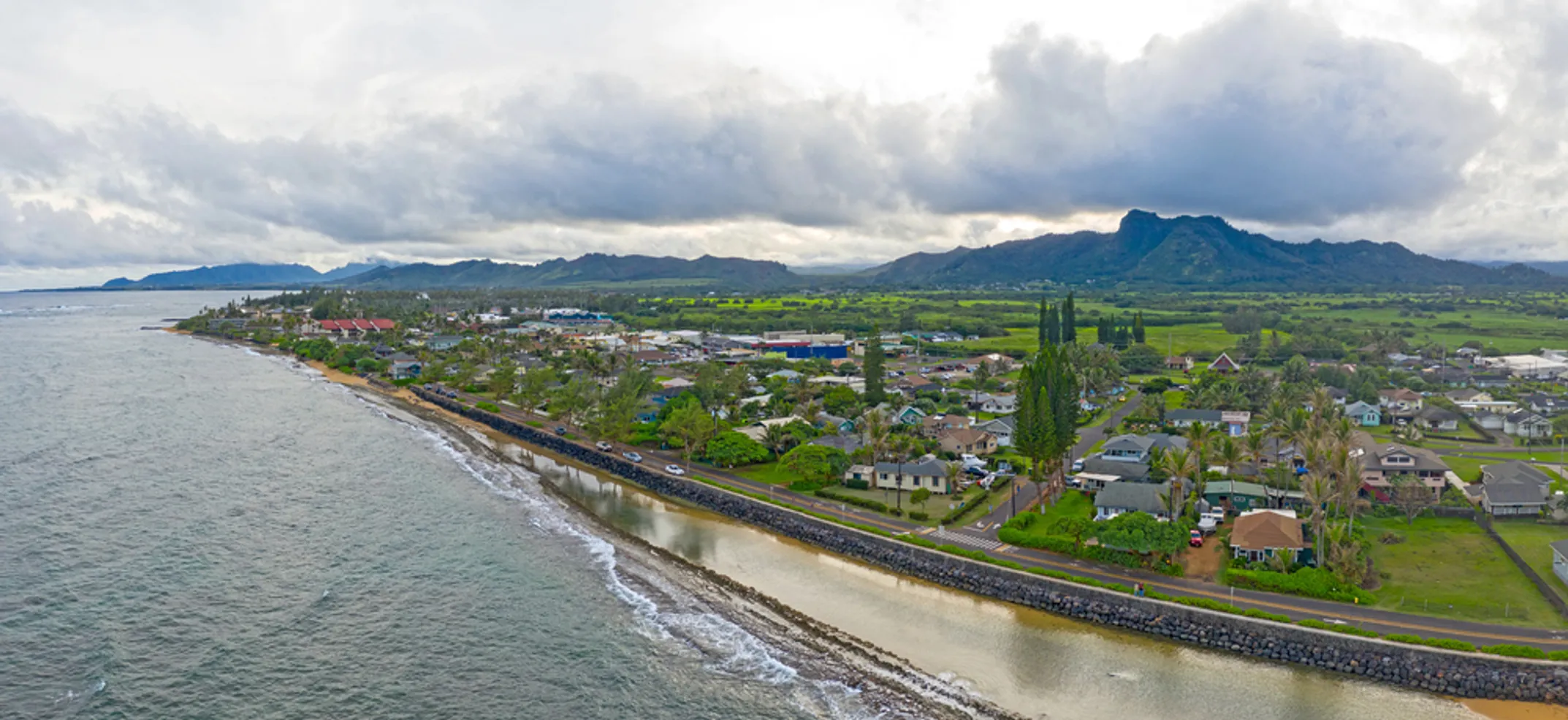
The story of Kapaʻa lives in the faces of its buildings, and every weathered board and faded sign carries memory. Unlike many island towns that started as planned plantation camps designed by sugar companies for efficient labor management, Kapaʻa grew organically as contract laborers left the sugar fields to start their own businesses. The result is a downtown that feels authentic because it grew from real dreams and hard work, not corporate planning.
Walking these streets, you're following the footsteps of families who arrived with nothing but determination and skills passed down through generations. They opened shops selling goods from their homelands alongside local products. They started restaurants serving the foods they missed, adapted with ingredients they could find here. They built places of worship and community centers that brought different cultures together in ways that seemed impossible back in their countries of origin.
The layout of Old Town reflects this organic growth. Streets follow natural contours rather than rigid grids. Buildings crowd together in friendly clusters rather than sterile spacing. The mix of architectural styles—Chinese details next to Portuguese influences, Japanese aesthetics blending with American practicality—creates a visual story of cultural blending that happened here long before "diversity" became a buzzword.
The Seto Building: Dreams Made Concrete
Standing at 4-1435 Kuhio Highway, the Seto Building tells one of my favorite stories about immigrant ambition and the American dream adapted to island realities. Ah Doi Seto arrived from China in 1888 to work sugar plantations under conditions that would make modern labor laws weep. The contract system tied workers to specific plantations for set periods, often under harsh conditions with minimal pay.
But Seto had vision beyond the plantation fields. By 1929, he had saved enough money and learned enough about island business to build something revolutionary—Kauai's first modern general food market. This wasn't just another small store selling basic goods. Seto created a concept that offered everything from fresh meat and fish to mainland produce, all kept fresh with the latest refrigeration technology available at the time.
The innovation extended beyond the merchandise. Seto understood that different communities had different needs and tastes. His store stocked Chinese vegetables alongside Portuguese linguica, Japanese rice next to American canned goods. This was integration through commerce—creating a space where everyone could find familiar foods while discovering new ones.
The building itself blends Chinese aesthetic touches with practical American commercial design. Engineer Robert Brooks Taylor, who designed many significant buildings on Kauai, created something unique here. Notice that pagoda-like flared roof that honors Seto's heritage. Look for the "crossed swords" detailing that speaks to Chinese symbolic traditions. But the overall structure follows American commercial patterns—wide windows for natural light, sturdy construction for tropical weather, efficient layout for customer flow.
The National Register of Historic Places recognition in 1979 acknowledged both the architectural significance and the pioneering role this building played in Kauai's commercial development. But for locals, it represents something deeper—proof that immigrant families could build lasting legacies through hard work and vision.
The Hee Fat Building: Rice, Rails, and Rumors
The Hee Fat Building at 4-1354 Kuhio Highway started life as a rice processing plant owned by a prominent Chinese businessman known locally as a "rice king." Built in 1924, this structure anchored Kapaʻa's role in the island's agricultural economy during a time when rice production rivaled sugar in economic importance.
Rice cultivation in Hawaii began with Chinese immigrants who brought both the seeds and the knowledge needed for successful production. The crop thrived in taro fields and other wet areas, creating a substantial industry that supplied local demand and even exported to mainland markets. The processing plants, like the one housed in the Hee Fat Building, cleaned, milled, and packaged rice for distribution across the islands.
Local stories whisper about an opium den hidden inside during the bustling plantation era. Whether true or not, these rumors speak to the building's role as a center of activity where different communities intersected. Plantation workers, business owners, and travelers all passed through here during its rice processing days.
The two-story structure showcased the prosperity that successful Chinese businessmen achieved on Kauai. The substantial construction and prominent location demonstrated economic success and community standing. After rice production declined due to mainland competition and changing agricultural patterns, the building adapted to new uses while maintaining its architectural integrity.
The 1987 renovation transformed the space for contemporary commercial use while respecting its historical character. Today, local gift shops occupy the ground floor, offering island-made products and souvenirs that connect visitors to authentic Hawaiian culture. The popular Olympic Café fills the entire second floor, where diners can enjoy meals surrounded by the atmosphere of living history.
Eating at Olympic Café provides more than just food—it offers the experience of sitting in a space that once hummed with the activity of rice processing, where the economic foundation of early Kapaʻa was literally manufactured. The windows that once looked out on horse-drawn carts bringing rice from island farms now frame views of the modern town that grew from those agricultural roots.
ℹ️ Historic Sites
- Seto Building: 1929
- Hee Fat Building: 1924
- Sugar Era: 1877-1930s
- Pineapple Plant: 1913
🏛️ Must-See
- Seto Building
- Hee Fat Building
- Olympic Café
- Old Town shops
- ICKY LOVE Gallery
Shops That Keep the Spirit Alive
The independent spirit that built Kapaʻa thrives in shops like Kiko Kauai, where the philosophy runs "handmade over mass-produced, simple over glitzy, useful over useless." This isn't just shopping—it's supporting a way of life that values craftsmanship and community connection.
Tamba Surf Company has served the local surf community since 1997, offering more than gear. It's where people gather to talk story, check surf reports, and connect with Kauai's deep surf culture.
Over at Hawaiian Artisans in the Coconut Marketplace, you'll find high-quality art from across the Hawaiian Islands—works in wood, clay, glass, and paint that capture the magic of these islands in ways only local hands can create.
Kiko Kauai
Handmade over mass-produced, simple over glitzy, useful over useless—a philosophy for authentic island shopping.
Tamba Surf Company
Serving the local surf community since 1997 with gear, stories, and authentic island surf culture.
Hawaiian Artisans
High-quality art from across Hawaii in wood, clay, glass, and paint by local artisans.
These shops represent more than commerce. They're keepers of tradition, supporters of local artists, and gathering places where the community spirit that built Kapaʻa continues to thrive. When you shop here, you're not just buying a product—you're investing in the continuation of a uniquely Hawaiian way of doing business.