The Living Culture of the Wailua Valley
Where ancient traditions continue to shape modern life
Written by a Local Expert
Kalani MillerA River That Still Flows Through Our Lives
Beyond the tours and the photo opportunities, the Wailua Valley remains a living, breathing part of Hawaiian culture. The river doesn't exist just for visitors. It continues to flow through the lives of local families, continues to shape the rhythms of daily life on Kauai's east side.
Local families still fish these waters, still gather limu from the rocks at the river mouth, still bring their children to swim in the same pools where their grandparents learned to dive. The outrigger canoe clubs that practice on the river maintain connections to ancient voyaging traditions, keeping alive the skills that brought the first Polynesians across thousands of miles of open ocean.
During certain times of the year, you might see traditional fishing nets stretched across the river, or families gathering for community fishing events that echo the ancient practice of hukilau. These aren't tourist attractions. They're the continuation of traditions that predate any written history.
The Hawaiian language is alive here too. Street signs include Hawaiian names alongside English translations. Local radio stations broadcast in Hawaiian. Children attend Hawaiian immersion schools where they learn to think and dream in the language of their ancestors. The Wailua Valley isn't a museum of Hawaiian culture. It's a place where that culture continues to grow and evolve.
When you visit the Fern Grotto, you're not just observing this culture from the outside. You're participating in it, becoming part of the ongoing story of this special place. The aloha you receive isn't just politeness. It's recognition of your role in the cultural exchange that has always defined Hawaii.
Seasonal Rhythms and Natural Cycles
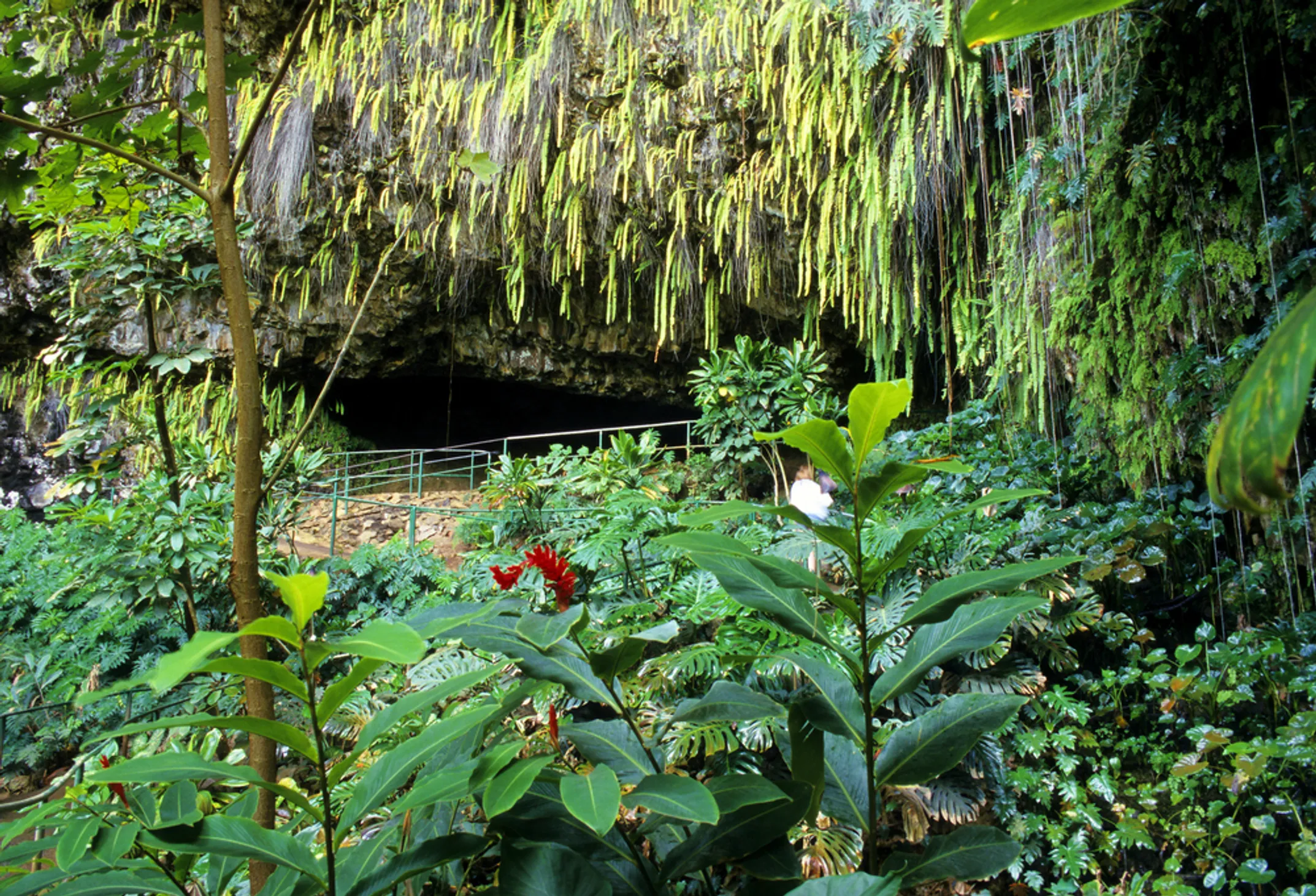
The Fern Grotto changes with the seasons in subtle but meaningful ways. During Kauai's drier months, from April through October, the ferns take on a slightly different character. They're still lush and green, but there's a density to their growth, a concentration of life that comes from having to make the most of available moisture.
The wet season, from November through March, brings different magic. The ferns seem to explode with growth, unfurling new fronds that glow with fresh green life. The sound of the grotto changes too, as more water seeps through the rock, creating a symphony of drips and trickles that becomes part of the experience.
These seasonal changes reflect larger patterns that shape all life on Kauai. Ancient Hawaiians organized their year around these rhythms, knowing when to plant and when to harvest, when to fish and when to rest. The makahiki season, roughly corresponding to our winter months, was a time for spiritual renewal, for games and ceremonies, for celebrating the abundance that the land provided.
Understanding these cycles helps you appreciate what you're seeing at the grotto. This isn't a static display that looks the same year-round. It's a living system that responds to weather, to rainfall patterns, to the larger forces that shape our island environment.
☀️ Dry Season (April-October)
Ferns show concentrated growth, denser foliage. Less water flow creates a quieter, more intimate grotto atmosphere.
🌧️ Wet Season (November-March)
Explosive fern growth with vibrant new fronds. Increased water creates a symphony of drips and flowing sounds.
The Future of the Fern Grotto
As climate change affects weather patterns across the Pacific, the Fern Grotto faces new challenges and uncertainties. Rising sea levels could affect the lower portions of the Wailua River. Changing rainfall patterns could alter the delicate moisture balance that keeps the ferns thriving.
But just as the grotto survived hurricanes and rockfalls, it will adapt to whatever changes come. The ferns that hang from its ceiling are descendants of plants that survived the formation of the islands themselves, that adapted to volcanic eruptions and tsunami and countless storms. They have a resilience built into their very DNA.
The bigger challenge may be balancing preservation with access. As more people discover Kauai, as tourism continues to grow, the pressure on special places like the Fern Grotto increases. How do we share this magic without destroying it? How do we welcome visitors while protecting what makes this place special?
The answer, I believe, lies in education and respect. The more people understand about the cultural significance of the Wailua Valley, the more likely they are to treat it with appropriate care. The more visitors connect with the stories behind the scenery, the more they become partners in preservation rather than just consumers of experience.
Conclusion - The Enduring Mana of the Fern Grotto
The whisper of the river that I heard as a child is still there, telling a story of time, change, and endurance. But it's not the same story it was when I was young. New chapters have been added, new voices have joined the conversation, new meanings have emerged from the intersection of ancient culture and modern life.
The Fern Grotto is more than a destination. It's a living testament to the history of our island, a place where the geological forces that built Kauai meet the cultural forces that shaped its people. It has witnessed the birth of kings and the dawn of new eras. It has been celebrated in song, scarred by the fury of nature's most powerful storms, and healed by the patient work of time and human hands.
When you visit, you become part of that story. Your footsteps join millions of others who have walked this path. Your wonder becomes part of the grotto's ongoing magic. Your respect contributes to its preservation for future generations.
So please, walk softly. Listen to the music on the water and the silence in the cave. Feel the mist on your skin and the history in the stones. Leave nothing but footprints, and take with you a piece of the profound peace that has blessed this valley for centuries.
In doing so, you practice kuleana—the sacred responsibility we all share to care for this special place. You become not just a visitor, but a guardian, helping to ensure that the whisper of the Wailua River can be heard for generations to come.
The boat will bring you to the grotto, but the grotto will change you in ways you might not expect. That's the real magic of this place. It doesn't just show you something beautiful. It shows you something true about the connection between people and place, between past and present, between the sacred and the everyday.
And when you leave, when you cross back over that bridge on Highway 56 and return to the everyday world of rental cars and hotel rooms and vacation schedules, you'll carry something of the grotto with you. Not just photos or memories, but a deeper understanding of what it means to be in a place where the earth itself holds stories, where beauty and history flow together like the meeting of two waters.
That understanding, that connection, that sense of kuleana—that's the true gift of the Fern Grotto. It's what transforms a tourist into a friend of Hawaii, a visitor into a guardian, a moment of sightseeing into a lifetime of caring about this special place we call home.
Ready to Experience the Fern Grotto?
Start your journey through the sacred Wailua Valley and discover why this natural cathedral has captivated visitors for generations.
🌺 Hawaiian Values
- Kuleana:
Sacred responsibility to care - Mana:
Spiritual power of place - Aloha:
Love, compassion, respect - Makahiki:
Season of renewal
📖 Explore This Guide
🛶 Living Traditions
- Outrigger canoe clubs
- Traditional fishing
- Hawaiian language
- Community hukilau
🙏 Mahalo
Thank you for taking the time to learn about the sacred Wailua Valley and the Fern Grotto. Your respect and care help preserve this treasure for future generations.