
Big Island Waterfalls
Hidden Swimming Spots and Safety Secrets from Hawaii's Most Dramatic Cascades
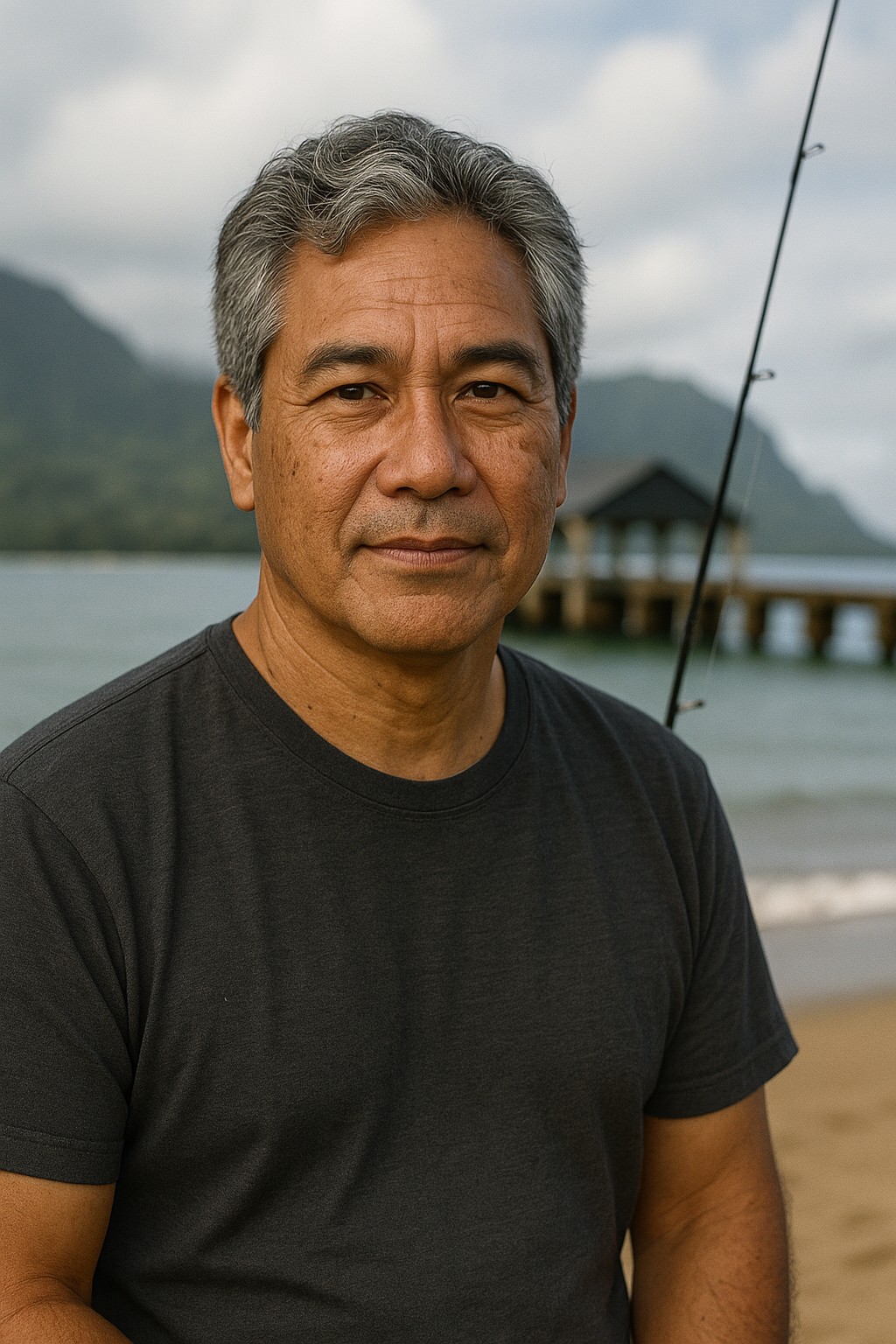
Written by a Local Expert
Kalani MillerThe Sound of Paradise: More Than Just Pretty Pictures
The sound of water crashing over ancient lava rock still gives me chills. Even after all these years living in Hawaiʻi, that thunderous roar never gets old. I'm Kalani Miller, and while my swimwear work takes me around the world, my heart stays rooted in these islands. Growing up with Pipeline's surf in my backyard on Oʻahu, I've always felt pulled to the Big Island's raw, untamed energy.
There's a certain mana, or spiritual power, you feel on the Hilo side. The waterfalls aren't just pretty pictures for your Instagram feed. They're the lifeblood of the ʻāina (land). Each cascade tells a story that goes back generations. I've spent years exploring these streams and trails with my keiki, teaching them the same respect my papa taught me. I want to share what I've learned with you. Not just the beauty, but the respect and knowledge you need to stay safe while experiencing these sacred places.
This isn't another waterfall list you'll find on every travel blog. We're diving deep into the Big Island's waterfall country. The lush Hāmākua Coast and mysterious areas around Hilo hold secrets that most visitors never discover. I'll give you my personal tips on the best times to visit, what to expect on the trails, and the local knowledge that can make or break your experience.
A Different Kind of Waterfall Experience
The Big Island's waterfalls are different from anywhere else in Hawaiʻi. While Oʻahu has its gentle cascades and Maui boasts the famous Road to Hana falls, the Big Island's water features are shaped by active volcanic activity and dramatic elevation changes. The island's massive size means weather patterns can vary drastically from one valley to the next. You might start your day in sunny Kona and end up in the misty rainforests of Hilo, where some areas receive over 130 inches of rain per year.
This unique geography creates waterfalls that can transform from gentle trickles to raging torrents in minutes. It's what makes them so spectacular and so dangerous. Understanding this dynamic landscape is the first step to safely enjoying these natural wonders.
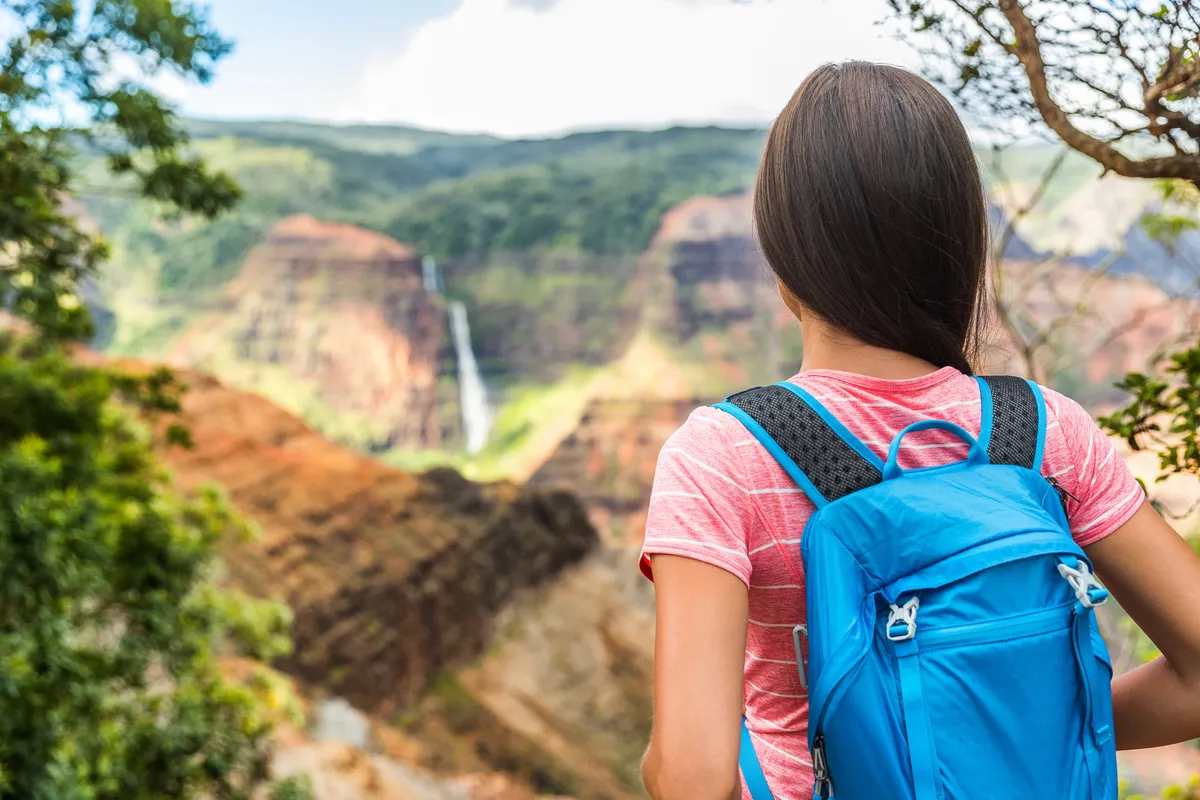
Explore Hawaii's Waterfall Paradise
From iconic giants to secret swimming holes, discover the complete guide to Big Island waterfalls with local expertise and safety secrets.
ℹ️ Quick Info
- Best Season: Year-round
- Peak Flow: Nov-Apr
- Safety Level: Varies greatly
- Swimming: Limited options
- Access: Easy to extreme
📖 Complete Guide
You are here
ʻAkaka & Rainbow Falls
Swimming SpotsSafe & supervised options
Hard-to-Reach GiantsFor serious adventurers
Planning GuideTiming & logistics
⚠️ Safety First
- Check USGS stream gauges before visiting
- Never swim with open cuts or wounds
- Flash floods can occur without warning
- Respect private property and cultural sites
Essential Safety: How to Stay Safe in Paradise
Before we get to the fun stuff, we need to have a serious conversation. As someone who has spent my life in and around Hawaiian water, teaching my own children to respect the ocean and streams, I can't stress this enough. Your safety is the most important thing. The beauty of our waterfalls hides real dangers if you aren't prepared. I've seen too many close calls over the years, and I never want anyone to become a statistic.
The Big Island's volcanic landscape creates unique hazards you won't find elsewhere. The rock is often unstable, especially near water sources. Stream beds can shift overnight during heavy rains. What looks like solid ground might actually be loose volcanic sand or pumice that gives way under your weight. These aren't just theoretical concerns. They're daily realities that every local learns to navigate from childhood.
Flash Floods
The #1 danger. Can occur without warning even on sunny days. Always check USGS stream gauges before visiting.
Leptospirosis
Bacterial disease in freshwater. Never swim with open cuts. Avoid putting head underwater or drinking stream water.
Slippery Rocks
Volcanic rock becomes extremely slippery when wet. Wear proper footwear and never jump into pools.
The Wailuku River: "River of Destruction"
The Wailuku River system accounts for 25% of all river drownings in Hawaii. This single river system feeds Rainbow Falls, Pe'epe'e Falls, and several other popular spots. Its Hawaiian name literally means "River of Destruction"—not poetic license, but a literal warning passed down through generations. Always respect the power of these waters.