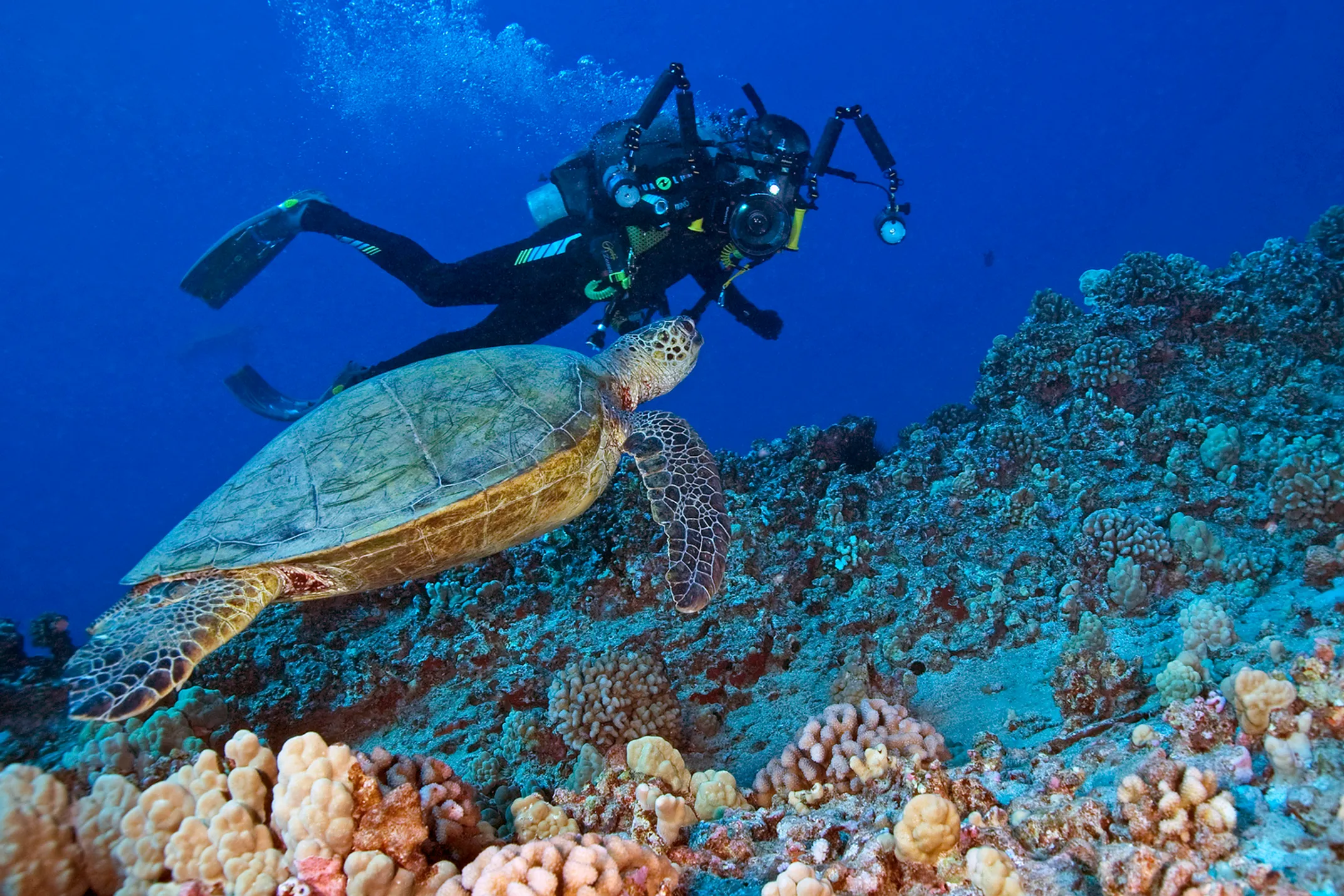
Big Island's Best Snorkeling Spots
Discover the Kona Coast's crown jewels - from pristine marine sanctuaries to easy-access underwater paradises
Written by a Local Water Activities Expert
Kalani MillerThe Kona Coast's Crown Jewels: Top Snorkeling Spots
The Kona (western) side of the Big Island rules for snorkeling. The massive shield volcanoes wring moisture from trade winds, leaving the coast sunny with calm, clear waters. Perfect for underwater exploration.
Kealakekua Bay (Captain Cook Monument): Hawaii's Underwater Cathedral
Kealakekua Bay is more than just the best snorkeling on the island. It feels sacred. You float above a pristine reef bursting with life, right where a key moment in Hawaiian history happened. This place demands respect and rewards you with an underwater show that feels like swimming in an aquarium.
The effort to get here is part of the experience. It's what keeps this place special.
Marine Life
Kealakekua Bay is a Marine Life Conservation District. This protected status let its ecosystem flourish. Fish here are plentiful, diverse, and show little fear of humans. Water clarity is breathtaking - often over 100 feet.
You'll almost certainly see massive schools of yellow tangs, ornate butterflyfish, and parrotfish nibbling coral. You'll spot Hawaii's state fish, the humuhumunukunukuāpuaʻa. Honu (green sea turtles) are very common. Pods of Hawaiian spinner dolphins often use the deep, protected waters as a resting area during the day.
Getting There
Method 1: Boat Tour (Recommended) - This is the easiest, safest, and most comfortable choice. Many operators run morning and afternoon tours from Keauhou Bay or Honokohau Harbor. These 3-5 hour trips handle everything.
Method 2: Kayaking (The Adventurous Way) - For those with more grit, paddling across the bay is unforgettable. The State of Hawaii requires you to go with one of three permitted tour companies. Morning tours last about 5 hours and cost around $230.
Method 3: Hiking (The Tough Way) - The Kaʻawaloa Trail is a challenging 3.8-mile round trip. It drops 1,300 feet to the monument. Only for very fit, experienced hikers.
Honaunau Bay (Two Step): The Easiest Plunge into Paradise
Two Step is my go-to for a perfect, easy morning snorkel. There's magic in its simplicity - two natural lava steps, and you're instantly in a world full of life. It's where I take visiting friends for their first taste of the Big Island's underwater magic. It never disappoints.
Marine Life
Honaunau Bay is famous for exceptional water clarity and vibrant, healthy reef. Schools of yellow tangs and raccoon butterflyfish greet you almost immediately.
Honu are very common. You'll often see them resting in underwater lava rock hollows or grazing on algae. The left (south) side is shallower, around 10-25 feet, and great for spotting turtles. Pods of spinner dolphins sometimes appear in early morning.
Getting There & Tips
The spot gets its nickname from the easy entry - a wide lava rock shelf with two distinct, natural steps leading into the water. It's about 35 minutes south of Kona. The key is arriving early. The small parking area fills up fast, often before 9:00 AM.
A great alternative is paying the entrance fee ($20 per vehicle) for the adjacent Puʻuhonua o Hōnaunau National Historical Park. Use their larger parking lot. Best conditions are in the morning before afternoon winds stir up the water.
Kahaluʻu Beach Park: The Perfect Underwater Classroom
Kahaluʻu is pure joy. It's where local families gather and kids learn to surf in gentle waves. The honu are so plentiful they feel like old friends. It's a real-life aquarium with the easiest access you can imagine. Perfect for anyone new to snorkeling or wanting a relaxed, happy day with the fish.
Marine Life & Features
This wide, sheltered cove is famous for one thing above all: honu. On any day, you can see dozens of Hawaiian green sea turtles feeding on abundant seaweed (limu) and sunning on warm lava rocks.
The bay also has one of the highest concentrations of tame reef fish in Hawaii. You'll see huge variety - yellow tang, parrotfish, Moorish idols, and orangespine unicornfish. All are remarkably comfortable with snorkelers.
Access & Safety
Kahaluʻu is incredibly easy to reach. It's right on Aliʻi Drive, just five miles south of downtown Kailua-Kona. The best and safest entry is through a small channel in the lava rock directly in front of the main lifeguard tower.
The bay is protected by an ancient breakwater (pā pōhaku). This keeps water shallow (rarely over 10 feet) and almost always calm. On-duty lifeguards provide extra safety that's rare at most snorkeling spots.
Richardson Ocean Park: Hilo's Tough Gem
While Kona gets most snorkeling fame, the Hilo side has its own rugged, lush beauty. Richardson's is my favorite spot on the east side. It's a stunning black sand beach with a protected cove that offers calm sanctuary even when the rest of the coast is wild.
Unique Features
This is the best and most popular snorkeling spot near Hilo. Rock formations and an old lava flow protect a calm, shallow bay. The mix of black lava sand and green olivine crystals gives the beach a unique sparkle.
The sheltered waters have healthy coral, colorful reef fish, and reliable green sea turtles. Freshwater springs seep into the bay, creating a rich and unique habitat.
⏰ Best Times
- Time of Day: Morning (7-10am)
- Season: Year-round
- Conditions: Calm trade winds
- Visibility: 80-150+ feet
🎒 What to Bring
- Reef-safe sunscreen
- Water shoes or reef walkers
- Snorkel gear (or rent locally)
- Plenty of water
- Towel & dry clothes
- Underwater camera
⚠️ Safety Tips
- Never turn your back on the ocean
- Stay 10+ feet from sea turtles
- Don't touch coral or marine life
- Check conditions before entering
- Swim with a buddy
📖 Guide Navigation
Getting started
You are here
Manta rays & deep dives
4. ConservationProtecting our oceans
Pro Tips for Big Island Snorkeling Success
These spots represent the best of what the Big Island offers, but knowing how to approach them makes all the difference between a good experience and an unforgettable one.
Timing is Everything
Early morning offers the calmest conditions and best visibility. Most spots are at their peak between 7-10 AM before trade winds pick up.
Respect the Reef
Look but don't touch. Coral is fragile and marine life is protected. Your respectful presence helps preserve these spots for future generations.
Remember: Each of these spots offers something unique. Kealakekua for pristine wilderness, Two Step for easy access, Kahaluʻu for beginners, and Richardson for east-side adventure. Choose based on your comfort level and what kind of experience calls to you.