Ocean Conservation & Safety
Aloha ʻĀina - protecting our sacred waters through responsible exploration and deep respect for marine life
Written by a Local Water Activities Expert
Kalani MillerAloha ka ʻĀina: Protecting Our Oceans
In Hawaii, we don't see ourselves as separate from the land and sea. We are part of it. Aloha ʻĀina - love for the land - is a core value that guides us. We all have kuleana, a responsibility, to care for these fragile and sacred places.
When you enter our waters, you become part of that story. Exploring with respect is the greatest gift you can give back to the islands.
To practice Aloha ʻĀina in the water, follow these simple but critical rules. Every action you take either helps preserve these waters for future generations or contributes to their decline.
The Golden Rules of Marine Interaction
🚫 Look, Don't Touch
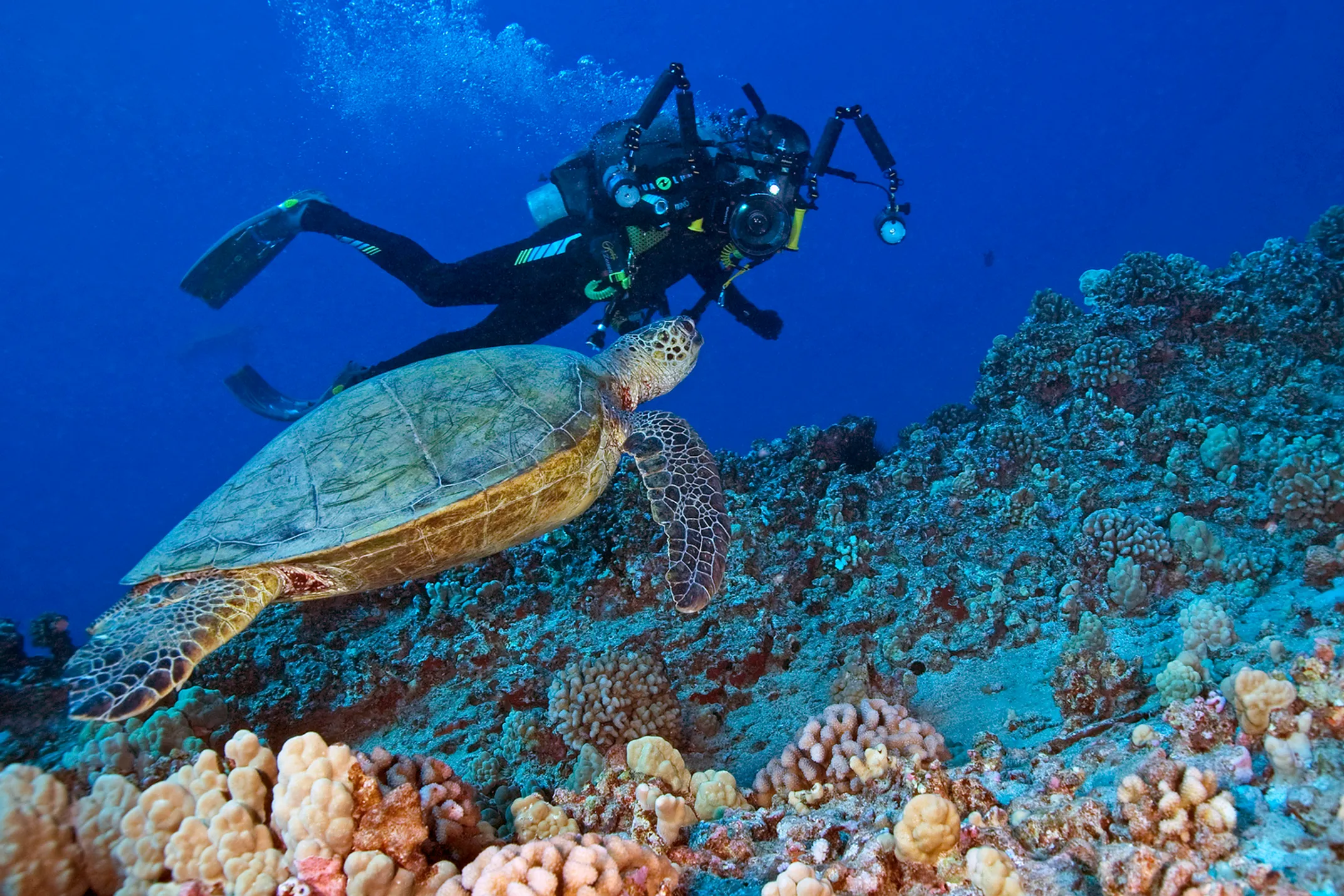
This is the most important rule. Coral is a fragile, living animal. A single touch can damage or kill it. Touching a sea turtle can harm its protective slime layer and cause stress, making it sick.
Remember: Take only photos, leave only bubbles.
📏 Give Them Space
Our marine life is protected by state and federal laws. Observing from respectful distance ensures their safety and yours. These are official viewing distances recommended by NOAA and Hawaii Department of Land and Natural Resources (DLNR):
- Sea Turtles (Honu): Stay at least 10 feet away, both in water and on land
- Hawaiian Monk Seals: Stay at least 50 feet away (150 feet if mother and pup present)
- Spinner Dolphins (Naiʻa): Stay at least 50 yards away - it's illegal to swim with or approach them
- Humpback Whales (Koholā): Stay at least 100 yards away during whale season (Nov-May)
🐬 Special Note: Spinner Dolphins
They hunt in deep ocean at night and come into shallow bays during the day to rest, sleep, and care for young. Approaching them disrupts this crucial rest cycle. It's not just disrespectful - it's illegal and harmful to their survival.
Reef-Safe Sunscreen: A Must
The sunscreen you wear directly and significantly impacts our reef health.
The Science, Simplified
Common chemical UV filters, specifically oxybenzone and octinoxate, are scientifically proven to cause coral bleaching, damage coral DNA, and disrupt delicate reef ecosystems. These chemicals wash off your skin into water, where they act as pollutants.
Hawaii has banned the sale of sunscreens containing these harmful chemicals, but many visitors still bring them from home unknowingly.
✅ What to Look For
The only truly reef-safe sunscreens are mineral-based. Check the "Active Ingredients" list on the bottle's back. You should only see:
- • Non-nano zinc oxide
- • Non-nano titanium dioxide
"Non-nano" is important because nanoparticles are small enough to be eaten by coral and other marine life.
🏆 Trusted Brands
Look for brands committed to reef-safe standards:
- • Sun Bum (mineral line)
- • Raw Elements
- • All Good
- • Kokua Sun Care
These are readily available in Hawaii and many mainland stores.
📏 Safe Distances
- Sea Turtles: 10+ feet
- Monk Seals: 50+ feet
- Dolphins: 50+ yards
- Whales: 100+ yards
These are minimum legal distances. Greater distance shows more respect.
✅ Reef-Safe Products
Non-nano zinc oxide, Non-nano titanium dioxide
Oxybenzone, Octinoxate, Octocrylene
🚨 Emergency Contacts
- Emergency: 911
- Coast Guard: *CG (*24)
- Marine Life Hotline: (888) 256-9840
- DLNR Violations: (808) 643-DLNR
🌊 Check Conditions
- PacIOOS.org - Ocean forecasts
- NOAA Weather Radio
- Local surf reports
- Ask local operators
📖 Guide Navigation
Getting started
2. Snorkeling SpotsDetailed locations
3. Scuba DivingManta rays & deep dives
You are here
General Ocean Safety
The ocean is powerful and deserves our utmost respect.
"If in doubt, don't go out."
This is the number one rule of ocean safety in Hawaii. If water looks too rough or you feel unsure for any reason, stay on shore. The ocean will be there tomorrow.
Never turn your back on the ocean
Even on calm days, unexpected waves can sweep you off your feet. Always keep an eye on the water when you're near the shoreline.
Understand tides and conditions
Mornings almost always offer the calmest and clearest conditions. Before you go, check local surf and tide reports.
The Pacific Islands Ocean Observing System (PacIOOS) provides excellent forecasts for currents and conditions.
Adventures Beyond the Reef
After a few days exploring the underwater world, you might want a different kind of adventure. While the Big Island is my home base, my family and I love island-hopping to Oʻahu for land-based thrills and history.
For the Thrill-Seekers: Coral Crater Adventure Park
If you're craving land-based adrenaline, Coral Crater Adventure Park on Oʻahu offers zipline courses, ATV trails, and a massive Adventure Tower with climbing walls and a 50-foot freefall.
For the History Buffs: Pearl Harbor
To truly understand Hawaii's place in modern history, a Pearl Harbor visit is essential. Walking through museums and standing on the USS Arizona Memorial is a profound experience.
Take Only Memories, Leave Only Bubbles
The Big Island's underwater world is a precious gift. It's a vibrant, living cathedral that was here long before us and, with our care, will be here long after we're gone. Floating above its reefs, you become part of a story that is ancient and ongoing.
My hope is that you leave with more than just beautiful photos. I hope you leave with renewed wonder and a deep feeling of kuleana - responsibility to protect this incredible place. Come with an open heart, explore with respect, and become a steward of the reef during your visit.
The ocean connects us all. When you care for it here, you're caring for waters everywhere. That's the true spirit of aloha.
Share your Big Island underwater adventures with us!
Tag @ThingsToDoHawaii and use #AlohaTheReef to show how you're exploring with respect.