Hoʻomākaukau: Sailing Preparation Guide
Essential planning, packing, and timing tips for your perfect Big Island sailing adventure
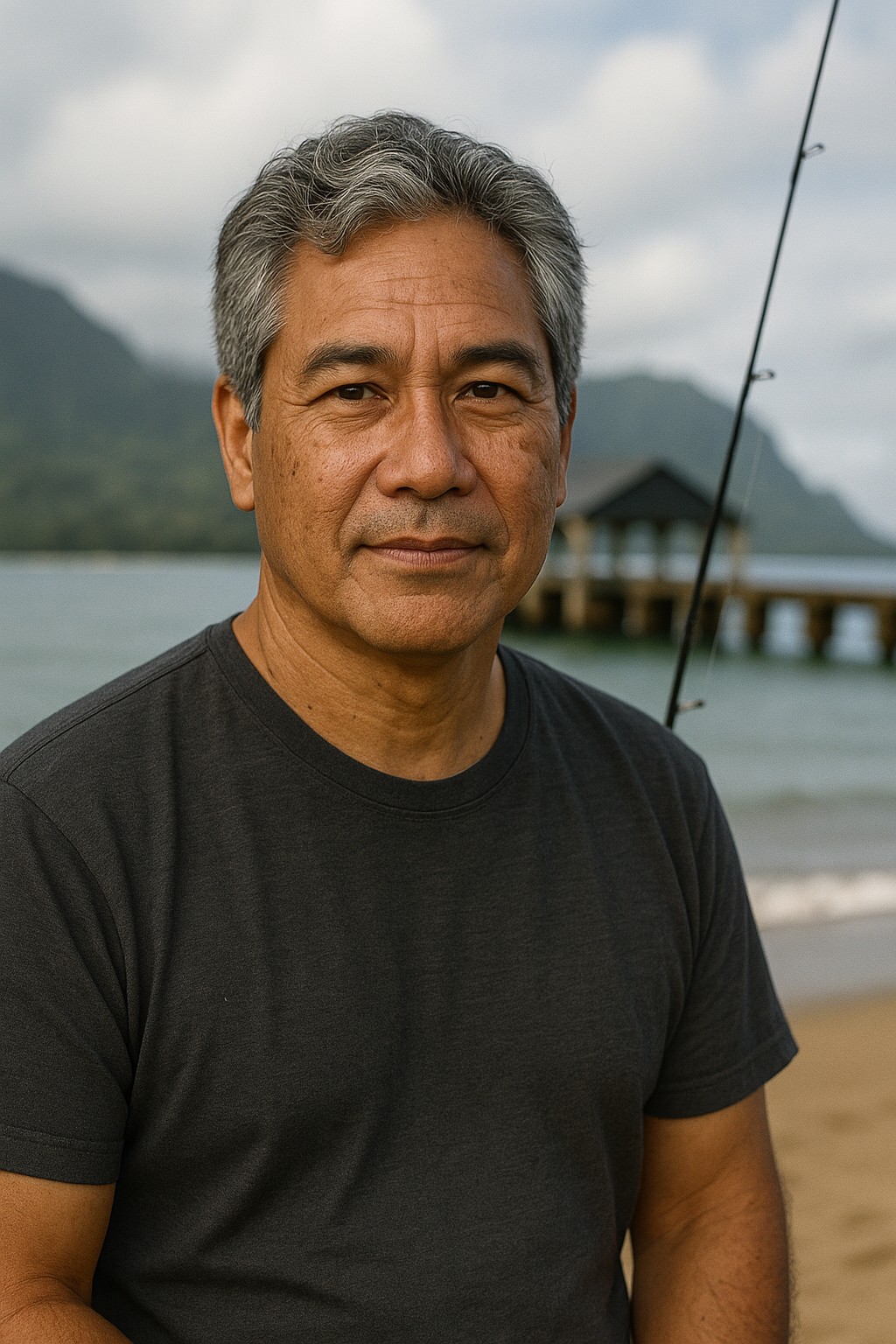
Written by a Local Expert
Kalani MillerA Great Day Starts with Being Prepared
A great day on the water starts with being prepared. A little planning ensures you're comfortable, safe, and ready for whatever adventure the ocean has in store. Here's my personal approach to packing and planning for your Big Island sailing trip.
Over the years, I've learned that a few key items can make all the difference. Here is my definitive checklist, blending practical sailing needs with Hawaii-specific essentials.
What to Bring Aboard: A Sailor's Checklist
Clothing & Gear
🕶️ Polarized Sunglasses
This is non-negotiable. They cut the intense glare off the water, reducing eye strain and allowing you to see into the ocean to spot turtles, dolphins, and coral reefs.
🧢 Hat with Chin Strap
The wind loves to steal hats. Secure yours with a chin strap or clip so you don't have to watch it sail away into the Pacific.
🧥 Light Layers
Even on a warm day, the wind on the water can be cool. A light windbreaker is perfect. For sunset or evening sails, a fleece or light jacket is essential.
👟 Proper Footwear
Many charters, especially catamarans departing from the beach, are "barefoot cruises." If shoes are worn, they must be non-marking boat shoes or sandals with good grip.
👙 Swimsuit & Cover-up
Wear your swimsuit under your clothes for easy transitions to snorkeling. A cover-up or rash guard is great for sun protection.
🎒 Dry Bag
A small dry bag is a lifesaver for protecting your phone, camera, and wallet from inevitable splashes and spray.
Health & Safety
🧴 Reef-Safe Sunscreen - Critically Important
Hawaii's law (Act 104) bans the sale of sunscreens containing oxybenzone and octinoxate, as these chemicals are proven to cause coral bleaching and damage our delicate marine ecosystems.
What to Look For:
True reef-safe sunscreens are mineral-based. Check the active ingredients for "non-nano" zinc oxide or "non-nano" titanium dioxide.
Recommended Brands:
Raw Elements, All Good, Thrive Natural Care, or Badger. Apply at least 15 minutes before getting in the water.
💊 Motion Sickness Remedies
If you're even slightly prone to seasickness, take a non-drowsy remedy like Bonine or Dramamine at least one hour before you board. Ginger chews or candies can also be very effective. Don't wait until you feel sick—prevention is key.
💧 Reusable Water Bottle
Stay hydrated and help us reduce plastic waste. Most tours provide water, but having your own bottle ensures you're always hydrated.
Ready to Learn More?
Discover the best times to sail and explore learning opportunities to take the helm yourself.
Learn to Sail✅ Must-Bring Items
- Polarized sunglasses
- Reef-safe sunscreen
- Hat with chin strap
- Light jacket/windbreaker
- Dry bag for electronics
- Water bottle
🌤️ Weather Considerations
- Morning: Calmest winds
- Afternoon: Trade winds pick up
- Evening: Cooler temps
- Winter: Whale season
- Summer: Best snorkeling
📖 Complete Sailing Guide
Getting started
2. Sailing ToursCompare all options
You are here
Lessons & clubs
🔗 Related Water Activities
✍️ About the Author
Sailing & Cultural Expert
A lifelong sailor raised by the tides of the Kona coast, sharing the deep connection between Hawaiian culture and the sea.
The Rhythm of the Ocean: Best Time of Year for Big Island Sailing
While the sailing is fantastic year-round thanks to our unique geography, the seasons do bring different opportunities. Understanding this rhythm helps you plan the trip that best matches your dreams. This often means making a choice between two spectacular but largely separate seasons.
🐋 Whale Season (December – April)
This is a time of pure awe. From December through April, thousands of humpback whales migrate from the cold waters of Alaska to our warm, protected channels to breed and give birth. The absolute peak of this activity is from January through March.
🤿 Snorkel & Manta Season (April – October)
This is the time for underwater clarity. While our resident manta rays can be seen year-round, the summer months generally bring the calmest seas and the best water visibility. The ocean is warmer, the weather is more consistently dry.
⚖️ Making Your Choice
You essentially have to choose your "main event." If your heart is set on the life-changing experience of seeing humpback whales, plan your trip for winter, but pack a warmer layer and be prepared for the small possibility of a weather cancellation. If your dream is to glide through glassy, bathtub-warm water and witness the incredible biodiversity of our reefs in crystal-clear conditions, plan for the summer or early fall.
A Message of Mālama i ke Kai (To Care for the Ocean)
The ocean has given me my life's greatest joys and my deepest sense of peace. It is the lifeblood of these islands and the soul of our culture. It asks for so little in return.
When you're out there, gliding across the blue, remember that you are a guest in a sacred and fragile home. Please, practice mālama i ke kai—to care for and protect the ocean. Choose reef-safe sunscreen to protect our vibrant corals. Give the honu (turtles) and naiʻa (dolphins) their space, observing their beauty from a respectful distance. Take nothing but photographs and memories. Leave nothing but your wake.
If we all share this kuleana (responsibility), this paradise will be here to welcome sailors for generations to come.
A hui hou (until we meet again).