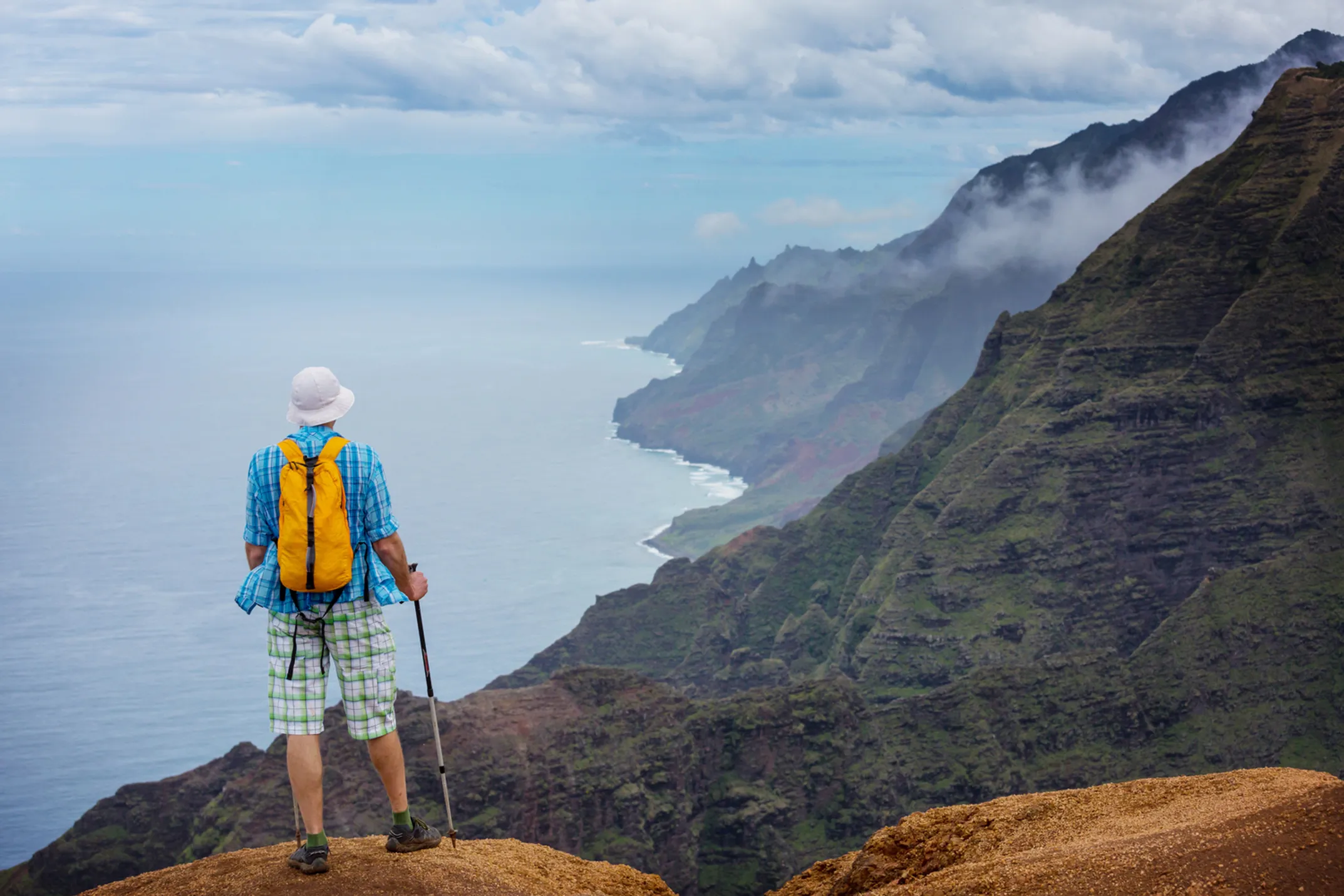
Sacred Summits
Reaching for the Stars - Mauna Kea & Mauna Loa Adventures
Written by a Local Expert
Kalani MillerFrom Fire to Stars - The Sacred Crown
From the fiery heart of the island, we now ascend to its sacred crown. The Big Island is home to the two most massive mountains on Earth, Mauna Kea and Mauna Loa. They are worlds unto themselves, places of profound cultural importance, cutting-edge science, and otherworldly beauty. But visiting them requires preparation and, above all, respect.
Mauna Kea: A Journey Above the Clouds
When we talk about Mauna Kea, we must start with its cultural significance, which is paramount. This is a practice that is often overlooked but is essential to understanding where you are.
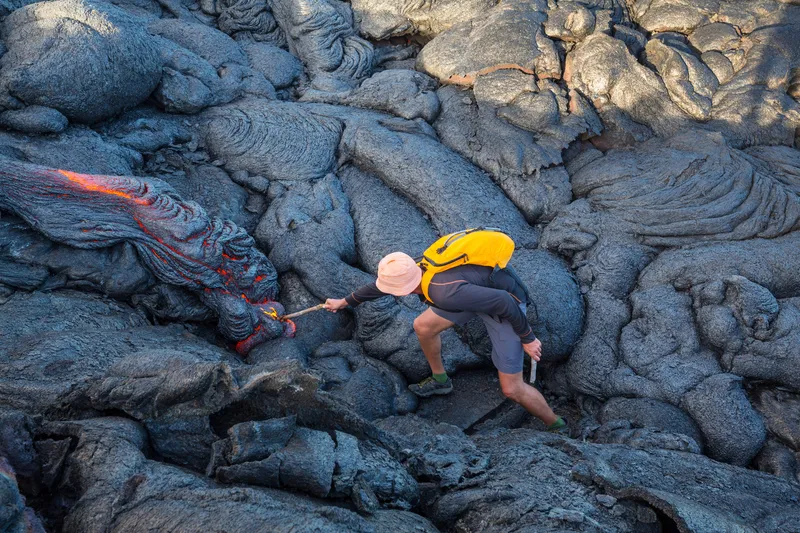
A Sacred Mountain (Wahi Pana)
Mauna Kea is not just a mountain; in Hawaiian cosmology, it is Mauna a Wākea, the first-born son of Wākea (sky father) and Papa (earth mother), the progenitors of the Hawaiian people. It is the piko (umbilical cord), the sacred connection between the land and the heavens. The summit is considered the wao akua, the realm of the gods, a place historically reserved for high chiefs (aliʻi) and priests (kahuna) for worship and sacred rituals.
When we go to Mauna Kea, we go with reverence. This is our most sacred temple. It's not a playground or just another tourist spot. The rules you'll see posted aren't just for safety; they are about respect for this wahi pana (sacred place).
Stargazing: Guided Tour vs. Self-Drive
This is the biggest question visitors have, and the answer depends entirely on your budget, comfort level, and goals. Here is the clear breakdown you need to make the right choice for your trip.
🚐 Guided Summit Tour
- Summit Access: Yes (13,796 ft)
- Vehicle: Commercial 4x4 vans provided
- Experience: Sunset + stargazing with telescopes
- Cost: $250-$300+ per person
- Age Limits: Usually 13+ only
- Best For: Worry-free, all-inclusive experience
🚗 Self-Drive to VIS
- Summit Access: No (VIS at 9,200 ft only)
- Vehicle: Any rental car works
- Experience: Stargazing with naked eye/binoculars
- Cost: Essentially free (gas only)
- Age Limits: Fewer restrictions
- Best For: Budget-conscious, flexible families
Your Visit to the Onizuka Visitor Information Station (VIS)
Located at 9,200 feet (2,800 m), the VIS is a crucial stop for everyone, whether you're on a tour or driving yourself. Its primary purpose is to allow your body to acclimate to the high altitude. You must stop here for at least 30 minutes before ascending further to reduce the risk of altitude sickness. The air here has 40% less oxygen than at sea level.
Local Secret:
Your naked eyes can often see more stars from the VIS than from the summit! The extreme lack of oxygen at the summit actually impairs your vision's acuity. The giant science telescopes need that thin, dry air up top, but your own eyes work better with a bit more oxygen!
What to Bring for Mauna Kea
Warmth is Not Optional: It is cold. Temperatures regularly drop to freezing or below after sunset, year-round. Pack layers: a winter jacket, long pants, a warm hat that covers your ears, gloves, and warm socks with closed-toe shoes are essential.
Essential Warmth
- • Winter jacket
- • Long pants
- • Warm hat & gloves
- • Closed-toe shoes
Hydration & Fuel
- • Plenty of water
- • High-energy snacks
- • No food services available
Sun Protection
- • High-SPF sunscreen
- • Quality sunglasses
- • Lip balm with SPF
Ready to Explore the Green Heart?
Continue your journey to discover the lush valleys, waterfalls, and rainforests of the Big Island's windward side.
Explore Green Heart →📖 Complete Guide
Kilauea & National Park
Current page
Valleys & Waterfalls
4. Taste of the LandAgricultural Tours
🏔️ Summit Stats
- Mauna Kea: 13,796 ft
- Mauna Loa: 13,677 ft
- VIS Elevation: 9,200 ft
- Oxygen Level: 60% of sea level
⭐ Stargazing Options
- Guided tours (summit access)
- Self-drive to VIS
- Professional telescopes provided
- World-class dark skies
⚠️ Health Considerations
- Altitude sickness risk
- Not for pregnant women
- Heart/lung conditions caution
- Children under 13 restricted
🙏 Sacred Place
Wahi Pana: Mauna Kea is the most sacred temple in Hawaiian culture. Visit with reverence, speak softly, and never move or take rocks.
Mauna Loa: The Rugged Alternative for True Adventurers
If Mauna Kea is the sacred temple, Mauna Loa is the primordial giant. It is the most massive active volcano on the planet, covering half the island of Hawaiʻi. Hiking it is not a casual activity; it's a serious backcountry expedition for experienced and self-sufficient adventurers.
The Ultimate Challenge
There are two primary routes to the summit. The most common for serious backpackers is the Mauna Loa Trail, a grueling 43.4-mile round-trip trek that starts within Hawaiʻi Volcanoes National Park and typically takes four days. The other option is a very long and challenging day hike from the north via the Mauna Loa Observatory Trail, which starts at 11,030 feet.
Logistics and Dangers:
- Permits: Backcountry permits mandatory for overnight trips, obtained from Hawaiʻi Volcanoes National Park
- Difficulty: Arguably the most difficult hike in all of Hawaii
- Elevation: Summit at 13,677 ft with extreme high altitude effects
- Weather: Snow, high winds, and freezing rain possible any day of the year
- Terrain: Slow, exhausting hiking over rough, unstable lava rock
Key Features of the Trek
Red Hill Cabin
Located at 10,035 feet (Puʻu ʻUlaʻula). Rustic backcountry cabin with bunks and non-potable water catchment system.
Summit Cabin
At 13,250 feet near the rim. Basic shelter with bunks. Gateway to the massive Mokuʻāweoweo caldera.
The ultimate destination is the rim of the immense summit caldera, Mokuʻāweoweo, a crater so vast it's hard to comprehend. Mauna Loa isn't a check-the-box hike. It's a true expedition. I've done the trek from the park, and it's one of the toughest but most rewarding things I've ever done on this island.
The silence up there is absolute. The scale of the landscape makes you feel like you're on another planet. This is not for the casual tourist; this is for the experienced hiker who wants to earn their view and feel the raw, untamed power of this sleeping giant.
This is arguably the most challenging adventure on the Big Island, reserved for those who have the experience, preparation, and respect necessary to take on one of Earth's most massive mountains. The reward is an experience that few humans will ever have - standing on the rim of one of the world's largest active volcanoes, in complete solitude with the universe.