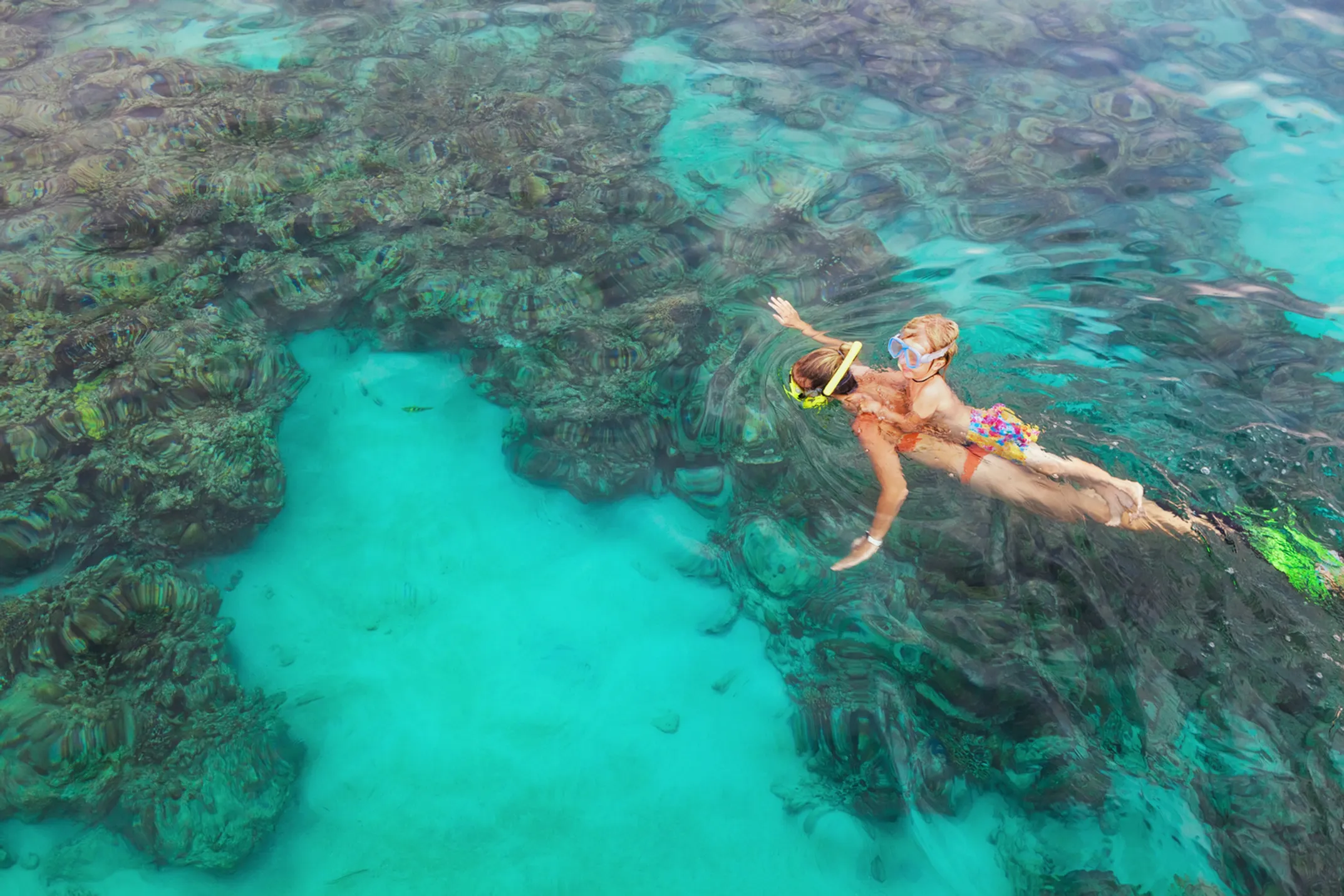
ʻŌhaiʻula Spencer Beach Park
The Big Island's Perfect Blend of Family Fun and Ancient History
Written by a Local Expert
Kalani MillerThe sound of slack-key guitar drifting on the trade winds, the rhythmic crash of waves against ancient lava rock, the sweet scent of plumeria mixing with salt air—these are the sensory threads that weave through my daily life here on Kauaʻi. As someone whose life revolves around the rhythm of the tides, some places just feel like coming home. For me, Spencer Beach Park on the Big Island's Kohala Coast is that place.
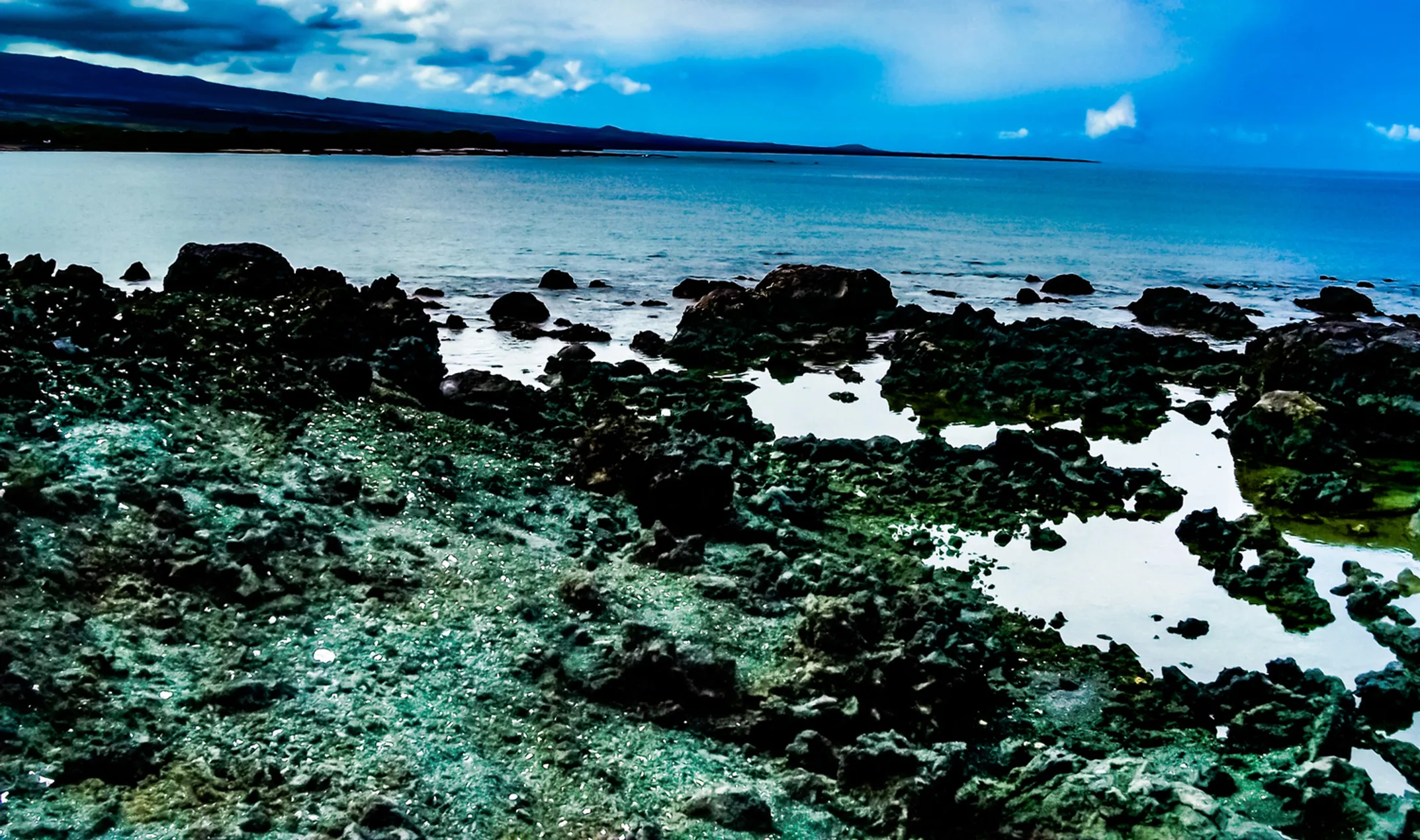
It's more than just sand and water. It's where my family comes to unwind, where the mana of the land is palpable, and where the stories of Hawaiʻi are written on the landscape. I always tell friends, if you want to understand the heart of the Kohala Coast, start here. It's where the laughter of keiki splashing in the calm water mingles with the silent, powerful presence of one of the most significant historical sites in all of Hawaiʻi.
This isn't just another beach guide. This is a deep dive into a place that holds a unique duality: it's both a perfect, stress-free playground for a family beach day and the stage upon which the destiny of the Hawaiian Kingdom was forged. Together, we'll explore everything that makes this spot, known ancestrally as ʻŌhaiʻula, so magical.
Spencer Beach Park at a Glance
Location: Kawaihae, South Kohala, Big Island
Best For: Families with children, camping, beginner snorkeling, history enthusiasts
Fees: Free for entry and parking
Key Amenities: Restrooms, showers, pavilion, lifeguards (weekends/holidays), camping, BBQ grills, tennis/basketball courts
Hours: 6 AM – 9 PM (Gate locks at 9 PM, reopens at 6 AM)
Kalani's Tip: Perfect for a low-stress day where everything you need is right here. Pack a picnic, but leave your worries behind.
The Soul of the Shore: Deep History and Cultural Significance of ʻŌhaiʻula
To truly appreciate this place, you must understand that you are walking on sacred ground. The gentle lapping of the waves at ʻŌhaiʻula Beach belies the monumental events that unfolded here. Unlike other beautiful beaches that are simply places of recreation, this shoreline was the royal compound and the setting for a drama that would unite a nation.
What's in a Name? The Story of ʻŌhaiʻula and Samuel M. Spencer
Long before it was known as Spencer Beach Park, this stretch of coast was called ʻŌhaiʻula. The name translates to "Red ʻŌhai" and is a direct link to the area's native ecology. The ʻōhai ʻula is a federally-listed endangered native shrub that once flourished here. It's a beautiful plant, adapted to the dry climate, with stunning pea-shaped flowers that bloom in fiery shades of red, salmon, and orange. For early Hawaiians, these vibrant flowers were highly prized for making exquisite lei.
The park's modern name honors Samuel Mahuka Spencer, a Hawaiʻi island politician who served as the county chairman in the early-to-mid 20th century. However, in a meaningful act of cultural recognition, the park was officially renamed in 2003 to include its original name: Samuel M. Spencer Park at ʻŌhaiʻula Beach. This dual name honors both the modern history of the park and its ancient, ecological soul.
The Hill of the Whale: Puʻukoholā Heiau, a Prophecy Fulfilled
Looming over the beach is the massive stone temple, Puʻukoholā Heiau, whose story is tied to the birth of the Hawaiian Kingdom. In 1790, the chief Kamehameha was locked in a fierce struggle to unite the Big Island, facing his principal rival and cousin, Keōua Kūahuʻula. Seeking guidance, Kamehameha consulted a powerful kahuna from Kauaʻi named Kāpoūkahi. The prophecy he received was clear: if Kamehameha would build a great luakini heiau on the hill known as Puʻukoholā, or "Hill of the Whale," and dedicate it to his family's war god, Kūkāʻilimoku, he would gain the power to conquer and rule all the Hawaiian islands.
The construction was a monumental undertaking. Kamehameha organized thousands of men who, for nearly a year, formed a human chain that stretched at least 20 miles to the Pololū Valley in North Kohala. They passed smooth, water-worn lava rocks from hand to hand, a sacred and laborious task in which even Kamehameha himself participated. The finished structure was immense, measuring 224 by 100 feet with walls reaching up to 20 feet high.
The story reaches its dramatic climax in the summer of 1791. Upon the heiau's completion, Kamehameha invited his cousin Keōua to the dedication ceremony. As his canoe landed on the shore at Pelekane—the royal compound located on the beach right where the park is today—a skirmish broke out. Keōua was slain. His body was carried up to the temple and offered as the principal sacrifice to Kūkāʻilimoku, fulfilling the prophecy's dark requirement. This event ended all opposition to Kamehameha on the Big Island and set him on his path to uniting the entire Hawaiian archipelago by 1810.
Standing here, you can almost feel the weight of that history. It's a place of immense power and victory, but also of great sorrow and sacrifice. It's important to visit with a quiet heart and reflect on the complexities of our past.
A Sacred Complex: Mailekini Heiau and the Submerged Shark Temple
The historical significance of this area extends beyond Puʻukoholā. Just below it lies Mailekini Heiau, an even older temple that was repurposed by Kamehameha as a fort. His trusted foreign advisor, John Young, later recommended mounting cannons on its walls to defend the bay, blending ancient Hawaiian architecture with Western military technology.
Even more intriguing is the site of Hale o Kapuni, a submerged heiau located just offshore in the bay. This temple was dedicated to sharks, which were revered by many families as ʻaumakua. This underwater shrine illustrates the profound spiritual connection ancient Hawaiians had between the land and the sea. It was a place where the chiefs of the land and the chiefs of the ocean met. The mana of this sacred site is why blacktip reef sharks are still frequently seen in the bay today.
Where Cultures Met: The John Young Homestead and Life in Old Kawaihae
The story of this coastline also includes the fascinating tale of John Young. A British boatswain, Young was stranded on the island in 1790 and was taken in by Kamehameha. He quickly proved himself an invaluable advisor, helping Kamehameha negotiate with foreign ships and training his warriors in the use of muskets and cannons. For his loyalty and skill, Young was eventually given the title of aliʻi nui and served as governor of the island.
Just a short distance north of the heiau are the ruins of his homestead. This was not just a simple house; it was a landmark. Believed to be the first Western-style structure in Hawaiʻi, it was built of stone and covered in a bright white plaster made from a mixture of crushed coral, poi, and hair. It shone so brightly in the sun that visiting sea captains used it as a navigational beacon to guide them into Kawaihae Bay.
Young married Kamehameha's niece, Kaʻōanaʻeha, and their family represented the merging of two very different worlds. While Young lived in his European-style house, his wife maintained a traditional Hawaiian grass house on the same property, a poignant symbol of the cultural negotiations taking place at the time.
This entire area, the ahupuaʻa of Kawaihae, was a bustling hub of activity. It was a thriving fishing village, a center for salt production from evaporated seawater, and the primary coastal port for the vast agricultural fields of the Waimea uplands. Later, it became a crucial provisioning stop for whaling ships and cattle ranchers.
Ready to Explore Spencer Beach?
Discover activities, practical tips, and everything you need to plan your perfect day at this historic beach paradise.
ℹ️ Quick Info
- Entry Fee: Free
- Parking: Free
- Best For: Families
- Camping: Yes (permit req.)
- Lifeguards: Weekends/holidays
🎒 Essential Items
- Reef-safe sunscreen
- Snorkel gear
- Beach umbrella
- Water shoes
- Picnic supplies
⏰ Best Times
- Calmest Water 7-11 AM
- Whale Watching Dec-Apr
- Warmest Water Summer
- Best Sunsets 6-7 PM
🔗 Explore Spencer Beach
📧 Stay Updated
Get the latest Hawaii beach guides and exclusive local tips.