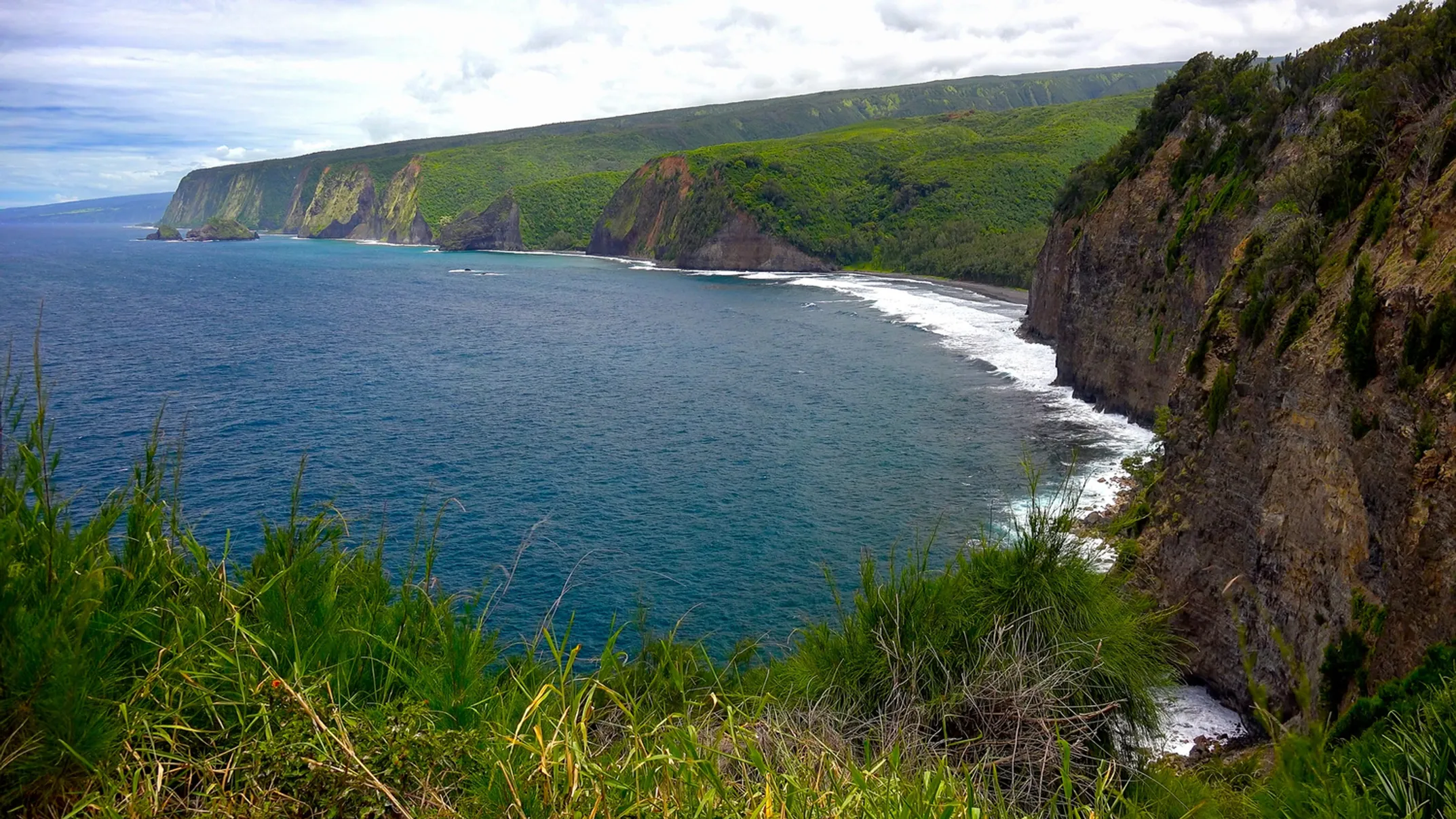
Keauhou Bay: Where Hawaiian History and Gentle Giants Meet
Discover the sacred birthplace of a king and witness the world's most incredible manta ray encounters
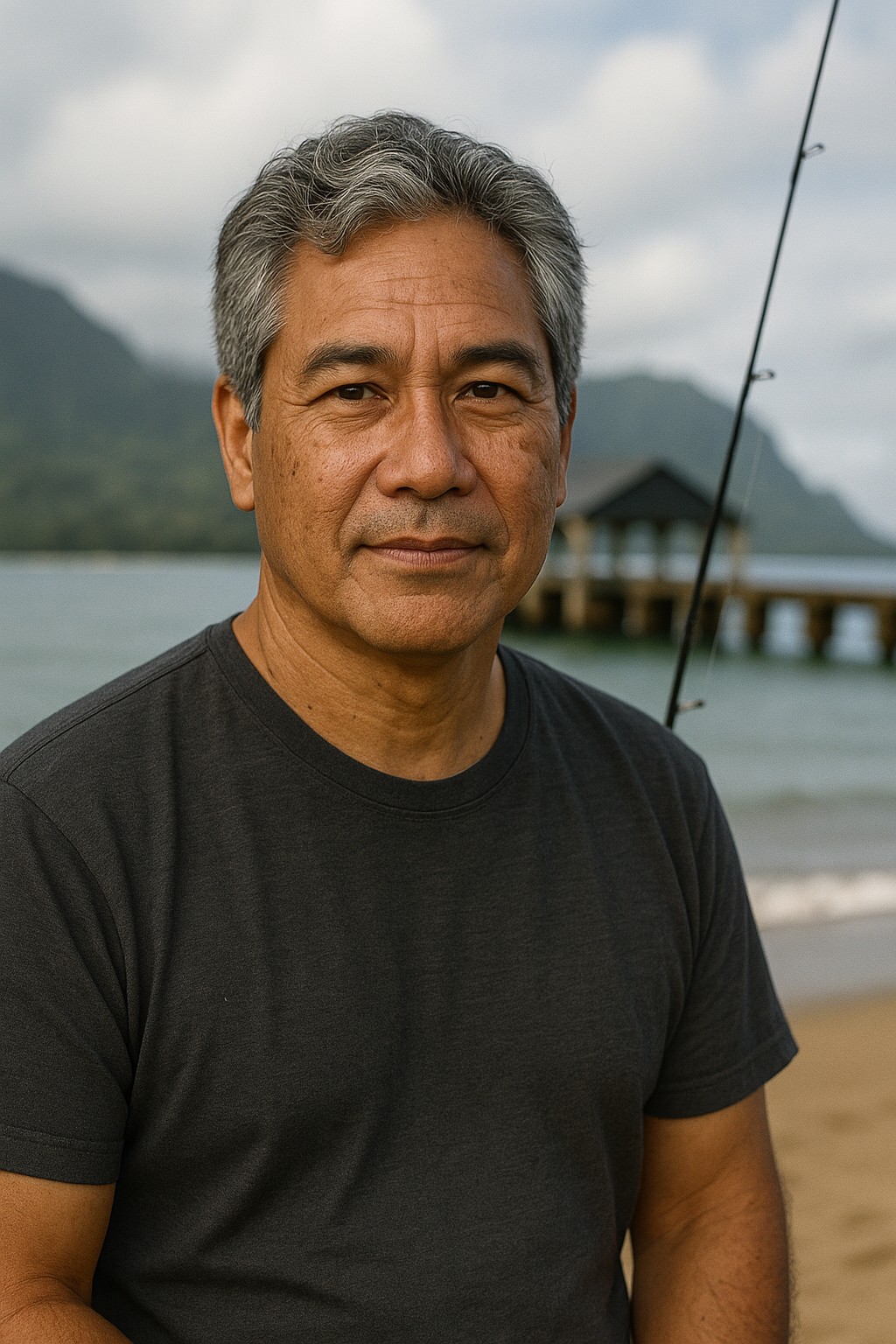
Written by a Local Cultural Expert
Kalani Miller
The sound of slack-key guitar drifts on trade winds. Waves crash against ancient lava rock. Sweet plumeria mixes with salt air. These are the threads that weave through my daily life here on Kauaʻi, and they're what I bring to every story I share.
Aloha, friends. I'm Kalani Miller. For me, Hawaii isn't just a place to live. It's a way of being. It's the feeling of warm Pacific on my skin after morning surf. It's the taste of salt in the air. It's the deep connection to the ʻāina (land) and its stories.
There are places on these islands where that connection feels strong. Where layers of time fold in on themselves. Keauhou Bay is one of those places.
I remember my first sunset here. The sky exploded in guava and tangerine shades. As light faded, the air changed. It grew quiet. Heavy with plumeria scent and the feeling of mana. A spiritual power that flows from lava rock and deep blue water.
This isn't just another pretty bay on the Kona coast. It's where a king was brought back to life. Where an ancient religion gave way to a new era. Where every night, gentle giants rise from the depths to dance in silence.
I've paddled this bay. Explored its shores. Floated in darkness watching mantas dance. There's much more to Keauhou than what you see on the surface. This guide is my hoʻokupu (offering) to you. Everything I've learned and love about this sacred place. From the birth of a king to the silent flight of gentle giants.
Join me. Let's explore the heart of Keauhou together.
The Sacred History of Keauhou Bay: "The New Beginning"
To understand this place, start with its name. Keauhou means "the new era" in Hawaiian. It captures the changes that happened on these shores. This bay has been the center of new beginnings for a king, for Hawaiian society, and for the islands' relationship with the world.
It's a story of birth, revolution, and connection to the sea that has sustained people for centuries.
The Royal Birthplace: The Story of Kauikeaouli (Kamehameha III)
Keauhou Bay's history links to one of Hawaii's most important figures. Kauikeaouli, who became King Kamehameha III. His story begins not with a cry, but with silence.
In 1814, his mother, sacred Queen Keōpūolani, traveled over 50 miles by canoe to give birth at Keauhou Bay. In a humble pili grass hut, she delivered her second son. But the baby was stillborn.
A kahuna pule (priest) named Kapihe was there. He took the small body, washed him, and placed him on a hollowed stone. Now called the Kauikeaouli Stone. There, he began to chant. His voice carried the power of generations of prayer and knowledge.
The baby stirred. Took a breath. Came to life.
He was named Kauikeaouli, meaning "placed on the dark cloud."
Today, you can visit this sacred spot. A small, peaceful area, kept by the Daughters of Hawaiʻi, marks the exact location. Standing there, you feel the weight of that moment. A new beginning for a boy who would rule Hawaii for nearly 30 years.
Kauikeaouli became king in 1825. Foreign powers pressed from all sides. His reign was a masterclass in handling these waters. He created the kingdom's first written constitution in 1840. He changed the government from absolute monarchy to constitutional rule with a legislature and supreme court.
He signed the Declaration of Rights of 1839. Hawaii's Magna Charta. It said the government's power came from the people and God. He oversaw the Great Māhele of 1848. A complex land change that brought private land ownership to the islands.
His most lasting legacy came on July 31, 1843. After a brief British takeover, sovereignty was restored. He declared, "Ua mau ke ea o ka ʻāina i ka pono." The life of the land is kept in righteousness. This became the kingdom's motto. Now it's Hawaii's official motto. A reminder of the connection between justice, balance, and the health of land and people.
The Battle That Ended a Religion: Kuamoʻo and the Fall of the Kapu
Just south of Keauhou Bay lies a field of lava rock. It was the site of another "new beginning" for Hawaii. One written in blood. The Kuamoʻo Battlefield is where civil war erupted in December 1819. A conflict that ended the ancient kapu religious system that had ruled Hawaiian life for centuries.
After Kamehameha the Great died in May 1819, his son Liholiho (Kamehameha II) inherited the throne. Queen Kaʻahumanu and his mother, Queen Keōpūolani, encouraged him to act. At a grand feast, Liholiho sat down and ate with the court women. He broke one of the most sacred eating taboos, the ʻai kapu.
This single meal, known as the ʻai noa (free eating), ended the entire religious and social structure. Temples and idols across the islands were destroyed.
But not all were ready for such change. Liholiho's cousin, Kekuaokalani, had been trusted with the war god Kūkāʻilimoku. He chose to defend the old ways. He gathered forces loyal to the traditional gods and marched north from Kaʻawaloa. Liholiho's army, led by warrior Kalanimoku, met them at Kuamoʻo.
The battle was fierce. A tragic clash of cousin against cousin. Both sides had traditional spears and clubs plus Western muskets. Liholiho's forces had cannons and a swivel gun on a double-hulled canoe. The traditionalists were pushed back toward the sea.
In a final stand, Kekuaokalani, already wounded, kept fighting. His brave wife, Chiefess Manono, fought beside him. They fell together, the last armed defenders of the Hawaiian gods. With her dying breath, Manono said, "Mālama kō aloha." Keep your love. A plea for unity that echoes with power today.
The Battle of Kuamoʻo was a turning point. It left a spiritual void in Hawaiian society just three months before the first American Christian missionaries arrived in March 1820. The new era of Keauhou had begun.
ℹ️ Quick Bay Info
- Best For: Manta rays & history
- Location: South Kona Coast
- Hawaiian Name: "The New Era"
- Best Time: Year-round
📖 Complete Guide
Current page
World-famous night dives
Daytime ActivitiesPaddling & snorkeling
Planning Your VisitWhere to stay & eat
🏛️ Historical Significance
- Birthplace of Kamehameha III
- Kuamoʻo Battlefield site
- Ancient fishing village
- Sacred stone sites
📧 Hawaii Updates
Get insider tips on Hawaiian culture, hidden beaches, and sustainable travel.
A Legacy of Water and Stone: Life in the Ancient Fishing Village
Long before it was a resort area, Keauhou was a thriving center for Hawaiian people. By the 1600s, it was one of seven Royal Centers along the Kona coast. A place called "supremely sacred" and the "proudest of Royal lands" in records. Its ocean access made it a hub for canoe travel, fishing, and community life.
Walking the shores today, you can still find traces of this ancient village. Stories written in stone. You can see natural dips in the lava rock, called paʻakai pans. Families would collect seawater here, letting the sun take the water to harvest precious salt. For seasoning, preserving food, and for healing and blessings.
You can also find Kūʻula stones. Sacred fishing shrines named for the god of fishermen. Offerings of the first fish caught were placed on these stones. To ensure continued abundance from the sea. The village life was tied to the ocean's rhythms.
Aunty Lily Haʻanio-Kong, born in Keauhou in 1927, recalled that most Hawaiian families in the bay were fishermen or farmers. Living in a close community where resources were managed with respect and shared among all.
The waʻa, or canoe, was the village's lifeblood. The main way to travel between coastal villages. Far faster than walking. The essential tool for fishing. The royal canoe landing was at Pūʻō Cove, on the bay's northern shore.
This paddling legacy continues today with the Keauhou Canoe Club. Members launch their canoes from the same waters their ancestors used centuries ago. The past is never far away here. You just have to know where to look.
Ready for the Main Event?
Discover the world-famous manta ray encounter that happens every night in these sacred waters.
See the Manta Ray Ballet