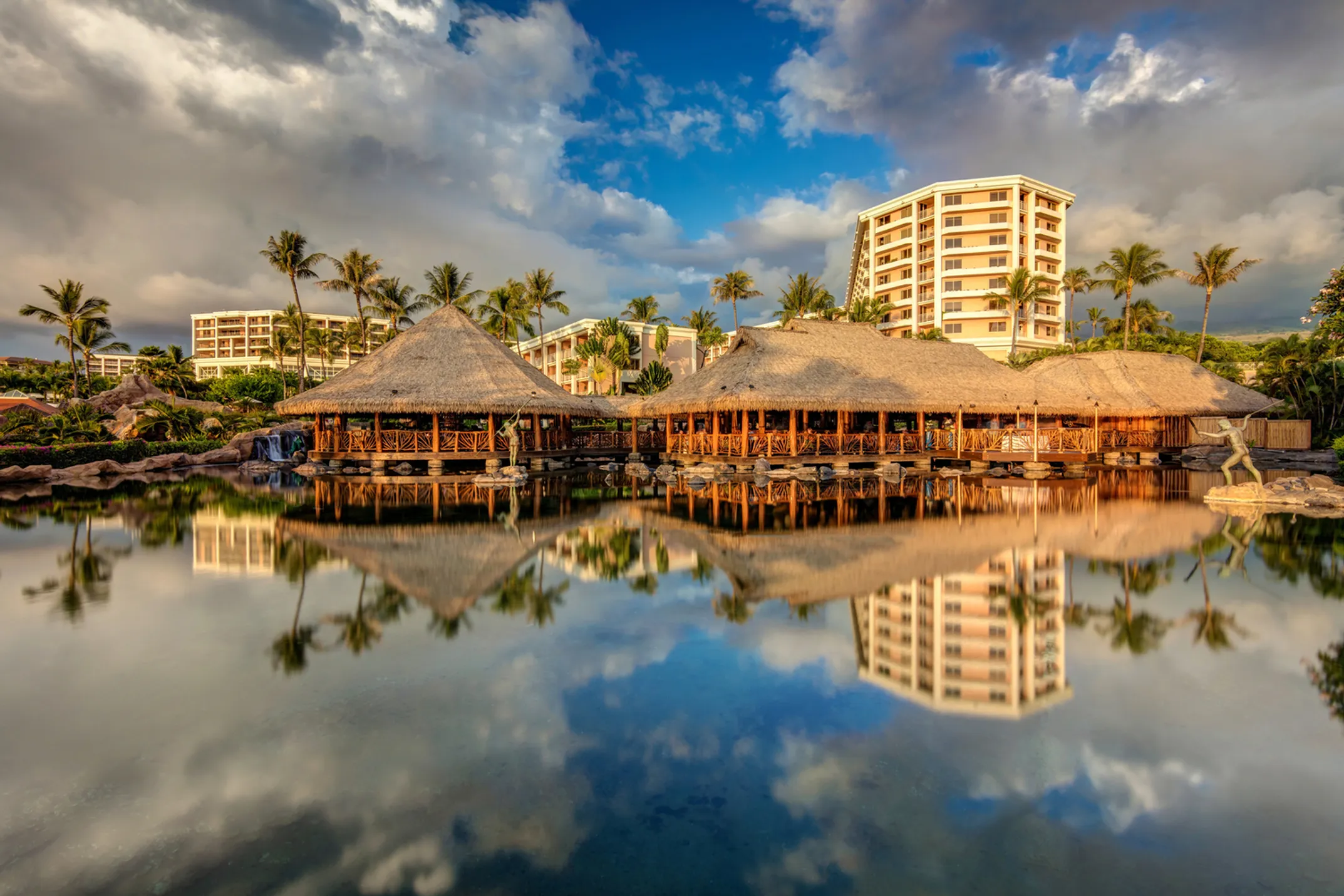
The Flavors of Hawaii
Discover the authentic tastes that define Hawaiian cuisine - from ancient traditions to modern innovations
Written by a Local Food Expert
Kalani MillerA Taste of Place: Understanding Hawaiian Cuisine
Before we start our road trip, you need to know the language of our food. These aren't just dishes. They're cornerstones of our culture, each with a history as rich as its flavor. Understanding them is the first step to truly tasting the island.
Poke – The Real Story
Forget the "poke bowls" you see in strip malls on the mainland. Here, poke (pronounced poh-keh, meaning "to slice or cut") is not a trend. It's an ancient practice. For centuries, Hawaiian fishermen would slice their fresh catch and season it simply with what the ʻāina (land) and kai (sea) provided. Paʻakai (sea salt) harvested from evaporated ocean pools, limu (seaweed) gathered from the reef, and the rich, nutty flavor of inamona (roasted and crushed kukui nuts). It was pure, clean, and connected directly to the source.
The evolution of poke mirrors the story of Hawaiʻi itself. When Japanese immigrants arrived to work on the plantations, they introduced their own flavors, like shoyu (soy sauce) and sesame oil, which quickly became beloved additions to the poke repertoire. What you taste today is a beautiful blend of ancient tradition and multicultural influence.
Spotlight: Da Poke Shack (Kona)
There's a reason this unassuming spot in Kona has a perpetual line and a reputation that stretches across the Pacific. The story goes that owner Alan Vascelis started the business almost by accident, initially just making poke for his friends. That homespun origin is key to their philosophy, which is built on one non-negotiable rule: fresh fish only, never frozen.
Kalani's Pro-Tip: The line is real, and they often sell out of popular varieties by the afternoon. Go early. Don't be shy—get a plate with two or three different kinds to sample. My personal go-to combination is the "Pele's Kiss" for a spicy kick and the classic "Shoyu" for its savory depth.
The Great Poke Debate: Kona vs. Hilo
While Da Poke Shack is the undisputed champion on the sunny Kona side, any discussion about the island's best poke is incomplete without a trip to the rainy Hilo side. This creates a friendly east-versus-west rivalry that every food-loving visitor should explore for themselves. In Hilo, the crown belongs to Suisan Fish Market. For over a century, Suisan has been the go-to for local chefs and families. Walking up to their window, you're met with an impressive array of fresh poke, with fish that was likely swimming just hours before. For those venturing further south, local forums and word-of-mouth will point you to other gems like the Honaunau Poke Shop near the historic Puʻuhonua o Hōnaunau, proving that great poke can be found in the most unexpected corners of our island.
Loco Moco – The King of Comfort
Every culture has its ultimate comfort food, and in Hawaiʻi, that dish is the loco moco. It's a monument of satisfying simplicity, born not in an ancient village but in a humble Hilo diner in 1949. The story goes that a group of teenagers from the Lincoln Wreckers sports club, looking for something cheap, filling, and faster than a sandwich, asked the owners of the Lincoln Grill, Richard and Nancy Inouye, to throw some rice in a bowl, top it with a hamburger patty, and smother it all in brown gravy.
The architecture of a traditional loco moco is sacred: a foundation of fluffy white rice, a savory hamburger patty, a generous ladle of rich brown gravy, and a perfectly fried sunny-side-up egg on top, its yolk ready to run and enrich the whole dish.
Spotlight: Cafe 100 (Hilo)
If the Lincoln Grill was the birthplace, Cafe 100 is the temple of the loco moco. This Hilo institution is legendary, claiming to be the home of the dish and serving over 30 different varieties. While you can get it with everything from Spam to fresh fish, the classic is still the one to beat.
Kalani's Pro-Tip: Don't overthink it. Order the original. The magic is in the way the savory gravy soaks into the rice and mixes with the runny yolk. This is pure Hawaiian soul food. For another classic take, check out Hawaiian Style Cafe (with locations in both Waimea and Hilo), famous for portions so generous they spill off the plate.
🌿 Laulau
Pork and salted butterfish wrapped in lūʻau leaves, then steamed in tī leaves. The name means "leaf, leaf" - perfectly describing its construction.
🐷 Kalua Pig
Whole pig cooked in an underground imu oven until tender enough to shred by hand. The word kālua means "to cook in an underground oven."
🍩 Malasadas
Portuguese doughnuts brought by plantation workers - eggy, yeasted balls of dough fried golden and rolled in sugar. Best eaten hot and fresh.
🍡 Mochi
Japanese soft, chewy cake made from glutinous rice flour, adapted with Hawaiian flavors like fresh strawberry and lilikoi.
ℹ️ Hawaiian Food 101
- Poke Origin: Ancient Hawaiian
- Loco Moco Born: Hilo, 1949
- Malasadas From: Portugal
- Mochi Origin: Japan
🏆 Where to Try
- Da Poke Shack (Poke)
- Cafe 100 (Loco Moco)
- Kaaloa's Super J's (Laulau)
- Two Ladies Kitchen (Mochi)
- Punaluʻu Bake Shop (Malasadas)
🧭 Restaurant Guide
Laulau & Kalua Pig – The Heart of the Lūʻau
To understand these two dishes is to understand the heart of a Hawaiian feast, or pāʻina. Both are traditionally cooked in an imu, an underground oven where hot lava rocks, wood, and layers of leaves steam food to tender perfection over many hours.
Laulau: The name translates to "leaf, leaf," which perfectly describes its construction. A piece of rich pork and a chunk of salted butterfish (for flavor and moisture) are wrapped in several lūʻau (young taro) leaves, which cook down to a spinach-like consistency. This packet is then wrapped in a non-edible tī leaf to hold it all together during the long steaming process.
Kalua Pig: The word kālua literally means "to cook in an underground oven". An entire pig (puaʻa), seasoned with Hawaiian sea salt, is cooked in the imu for hours until it is so tender it can be shredded by hand. The process imparts a distinct smoky flavor that simply cannot be replicated in a conventional oven.
Spotlight: Kaaloa's Super J's (Captain Cook)
Tucked away in a bright yellow building on the side of the road in South Kona, Kaaloa's Super J's is a place of pilgrimage for those seeking the real deal. This is not a restaurant. It's an extension of the Kaaloa family's kitchen. Run by a passionate mother-and-daughter duo, they use generational recipes to create what many, myself included, consider the best laulau on the island.
Kalani's Pro-Tip: This is not fast food. They cook with love, and that takes time, so plan for a leisurely stop. The pork laulau is the star—the pork melts in your mouth, and the cooked lūʻau leaves are rich and flavorful.
The Sweet Finish – Lilikoi, Malasadas & Mochi
No Hawaiian meal is complete without something sweet, and our island offers a unique trio of treats you must try.
Lilikoi (Passion Fruit): This tangy, aromatic fruit is originally from Brazil but found a perfect home in Hawaiʻi. It even got its Hawaiian name from the place it was first planted on Maui: Liliko'i Gulch. Its bright, sweet-tart flavor cuts through richness, making it a perfect ingredient for everything from cheesecakes and pies to cocktails and salad dressings.
Spotlight: Two Ladies Kitchen (Hilo)
Like Super J's, Two Ladies Kitchen is a Hilo institution run by a family dedicated to preserving a culinary art form. Owner Nora Uchida learned the craft from her aunt, Tomi Tokeshi, one of the original "two ladies". From their tiny, unassuming storefront, they produce what is widely considered the best mochi in the state.
Kalani's Pro-Tip: You absolutely must call ahead to place your order, especially if you want the strawberry mochi. They make a limited amount each day and sell out without fail. The fresh fruit varieties cannot be taken to the mainland due to agricultural restrictions.