.CT4mpCH__23i7gR.webp)
The Dance of the Hahalua
Meeting Manta Rays with Respect in Keauhou Bay
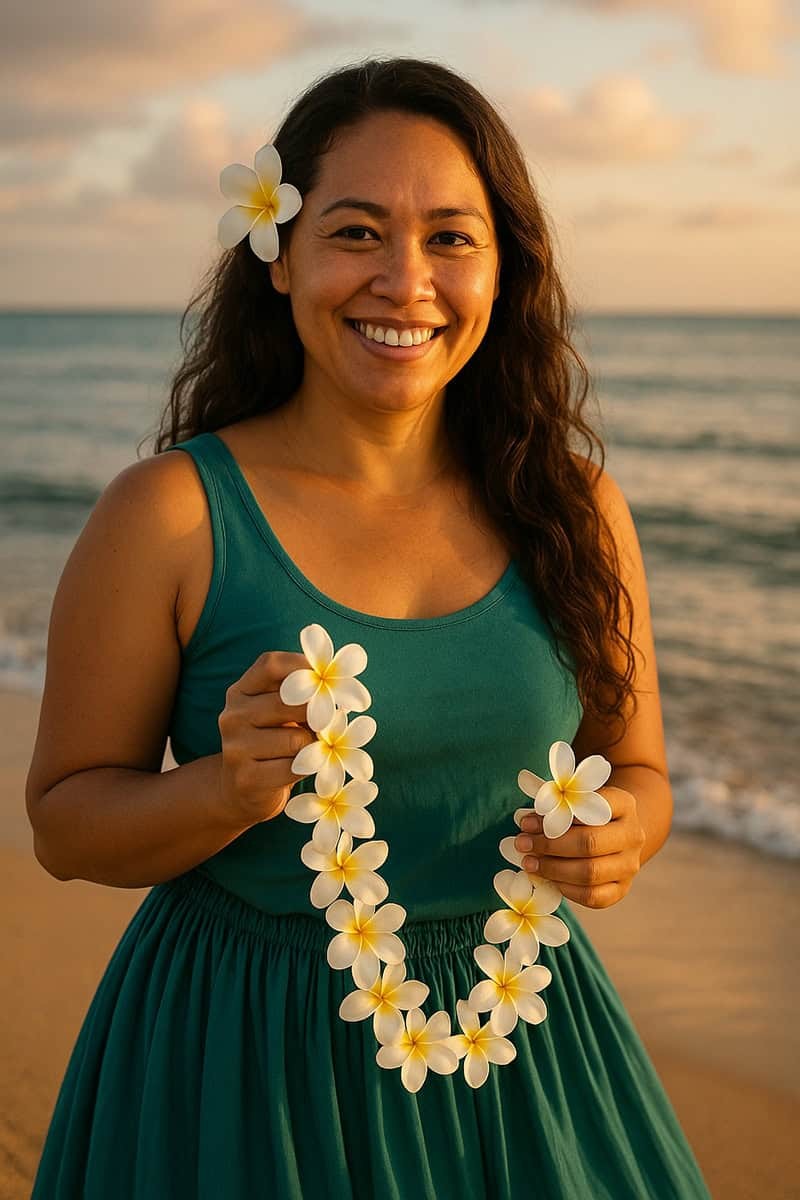
Written by a Cultural Expert
Leilani AkoFrom History's Echoes to Nature's Ballet
From history's echoes, we turn to one of the world's most amazing natural shows: the nightly gathering of hahalua, or manta rays. Keauhou Bay is the global center for this experience. But with great popularity comes great responsibility. This is tourism's new era, where our main job is protecting the creatures we came to see.
I'll never forget my first manta ray encounter. I was twelve, visiting with my 'ohana from Moloka'i. My uncle Kimo, a veteran dive guide, brought us out on his small boat just after sunset. "Stay calm," he told us. "Let them come to you." I didn't understand what he meant until I was floating in dark water, holding a light, and suddenly a massive, graceful creature glided beneath me.
The manta ray was huge, maybe twelve feet across, but moved with impossible grace. It swooped and turned, feeding on tiny plankton drawn to our lights. Its mouth was enormous, but I felt no fear. Only wonder. Only gratitude. Only a deep connection to something wild and free and ancient.
That moment changed my life. It planted the seed for my career in cultural education and marine conservation. It taught me that the ocean holds mysteries we're only beginning to understand. And it showed me that humans and sea life can share incredible moments when we approach with respect.
Welcome to "Manta Village": How Nature Creates Magic
The nightly manta ray ballet in Keauhou isn't random. It's perfect ecology at work. The Kona coast gets nutrient-rich currents that create constant, thriving zooplankton, the manta rays' main food. Deep ocean currents hit the island's underwater slopes and push nutrients toward the surface. This creates a feeding chain that supports everything from tiny plankton to massive manta rays.
Keauhou Bay's sheltered nature, with its shallow, sandy bottom, creates perfect feeding conditions. The bay acts like a natural amphitheater, concentrating plankton in a relatively small area. That's why locals call it "Manta Village." These gentle giants have been gathering here for generations, long before humans arrived with cameras and snorkel gear.
🧠 Intelligent Giants
Manta rays have the largest brain-to-body ratio of any fish. They're curious, playful, and capable of recognizing individual humans.
📏 Impressive Size
Reef mantas can reach wingspans of 11-12 feet and weigh up to 3,000 pounds, yet they're completely harmless to humans.
🔬 Unique Identification
Each manta has unique spot patterns on its underside, like fingerprints, allowing researchers to track individuals over time.
📊 Reliable Sightings
With over 450 identified individuals, sightings happen on 85-95% of tours - remarkably reliable wildlife viewing.
Human activity made the show even better. When the first hotel was built on the cliffs (where the Outrigger now stands), its bright lights on the water attracted swarms of plankton. The mantas, smart and adaptable, quickly learned this was a reliable, all-you-can-eat buffet. They began showing up nightly, drawn by the promise of easy feeding.
Today, tour operators copy this effect with underwater lights, drawing plankton and, in turn, the mantas. It's a symbiotic relationship when done right. The lights help researchers study manta behavior. Tour operators get predictable wildlife encounters. Tourists get unforgettable experiences. And the mantas get concentrated food sources that make feeding more efficient.
How to Swim with Giants, the Right Way
Manta tourism's incredible success has put huge pressure on this fragile ecosystem. On busy nights, dozens of boats converge on the same small area. Hundreds of snorkelers splash around in the dark. The mantas, trying to feed, must navigate through a maze of flippers, masks, and inexperienced swimmers. It's not always pretty.
Choosing to join this activity means accepting kuleana (responsibility) to do it right. The core message of mālama—to care for and protect—that we learned from Chiefess Manono's story at Kuamoʻo must be applied here. We must mālama i ka hahalua.
5 Critical Questions to Ask Before Booking:
- Which viewing site do you visit? Some operators go to less crowded spots.
- How does your boat operate at the site? Responsible operators turn off engines and anchor away from feeding zones.
- What's your crew-to-guest ratio? Lower ratios (1:8 or fewer) ensure better supervision.
- How experienced is your crew? Seasoned guides better handle changing conditions.
- What are your cancellation rules? Safety-focused companies have strict weather policies.
The Golden Rules of Manta Ray Encounters
✅ DO
- • Float passively on the surface
- • Hold the light board provided
- • Let mantas control the encounter
- • Stay perfectly still when they approach
- • Follow all guide instructions
❌ DON'T
- • Never touch or chase mantas
- • No aggressive swimming or splashing
- • Don't use flash photography
- • Never block their path to surface
- • Don't dive down toward them
Remember: You are a guest in their dining room. The fundamental rule is simple: be passive. Touching a manta ray can remove the protective mucus layer on its skin, leaving it vulnerable to infection. Chasing them often causes them to leave the area entirely, ruining the experience for everyone.
What to Look for in an Ethical Manta Ray Tour
Not all manta ray tours are created equal. Some operators prioritize profits over protection. Others genuinely care about marine conservation and work hard to minimize their impact. Here's how to choose wisely:
👥 Group Size
Choose operators that cap tours at small numbers. The best experiences happen with 12 people or fewer in the water at once.
🎓 Experienced Guides
Pick companies with long track records. Experienced guides know individual mantas by sight and can predict behavior.
📋 Clear Safety Briefing
Good operators provide thorough briefings on safety and passive interaction rules before entering the water.
🌊 Manta-First Thinking
Look for operators whose mission emphasizes conservation. They see mantas as partners, not just products.
Recommended Eco-Conscious Options:
- Shore-based entries: Eliminate boat noise and crowding entirely
- Traditional paddle-powered canoes: Remove engine pollution completely
- Small group tours: Better for environment and more intimate experiences
- Research-supporting operators: Contribute to manta ray conservation studies
🗺️ Explore Keauhou
Sacred sites & kings
You are here
Beaches & snorkeling
Modern KeauhouResort life & dining
Big Island AdventuresATV tours & ziplines
🐋 Manta Ray Facts
- Wingspan: Up to 12 feet
- Weight: Up to 3,000 lbs
- Diet: Zooplankton only
- Sighting Rate: 85-95% success
- Population: 450+ identified
✅ Best Practices
- Book small group tours
- Choose experienced operators
- Follow passive observation rules
- Never touch or chase
- Support conservation efforts
🌊 Mālama i ka Hahalua
"Care for the manta rays" - Our responsibility as visitors to protect these magnificent creatures for future generations.
Choose ethical operators, follow guidelines, and help preserve this magical experience.