He Aliʻi Ka ʻĀina
The Land is a Chief - Ancient Hawaiian Community Life

Written by a Cultural Expert
Leilani AkoHe Aliʻi Ka ʻĀina - The Land is a Chief
The Hawaiian proverb "He aliʻi ka ʻāina; he kauwā ke kanaka" translates to "The land is a chief; man is its servant." This principle is the key to understanding how a thriving community of hundreds, perhaps thousands, flourished here. The archaeological remains scattered across the lava are not just artifacts—they are the footprint of a complex, organized, and deeply connected society. This was not a random scattering of huts, but the site of an entire, intact community.
Oral histories collected from kamaʻāina recall a time when these lands were "filled with people," with houses full of large families. The park preserves over 450 known archaeological sites that bring this bustling world to life. As you walk the trails, you are walking through the heart of this ancient settlement.
The park preserves over 450 known archaeological sites that bring this bustling world to life. As you walk the trails, you are walking through the heart of this ancient settlement.
The Ahupuaʻa: A System of Abundance
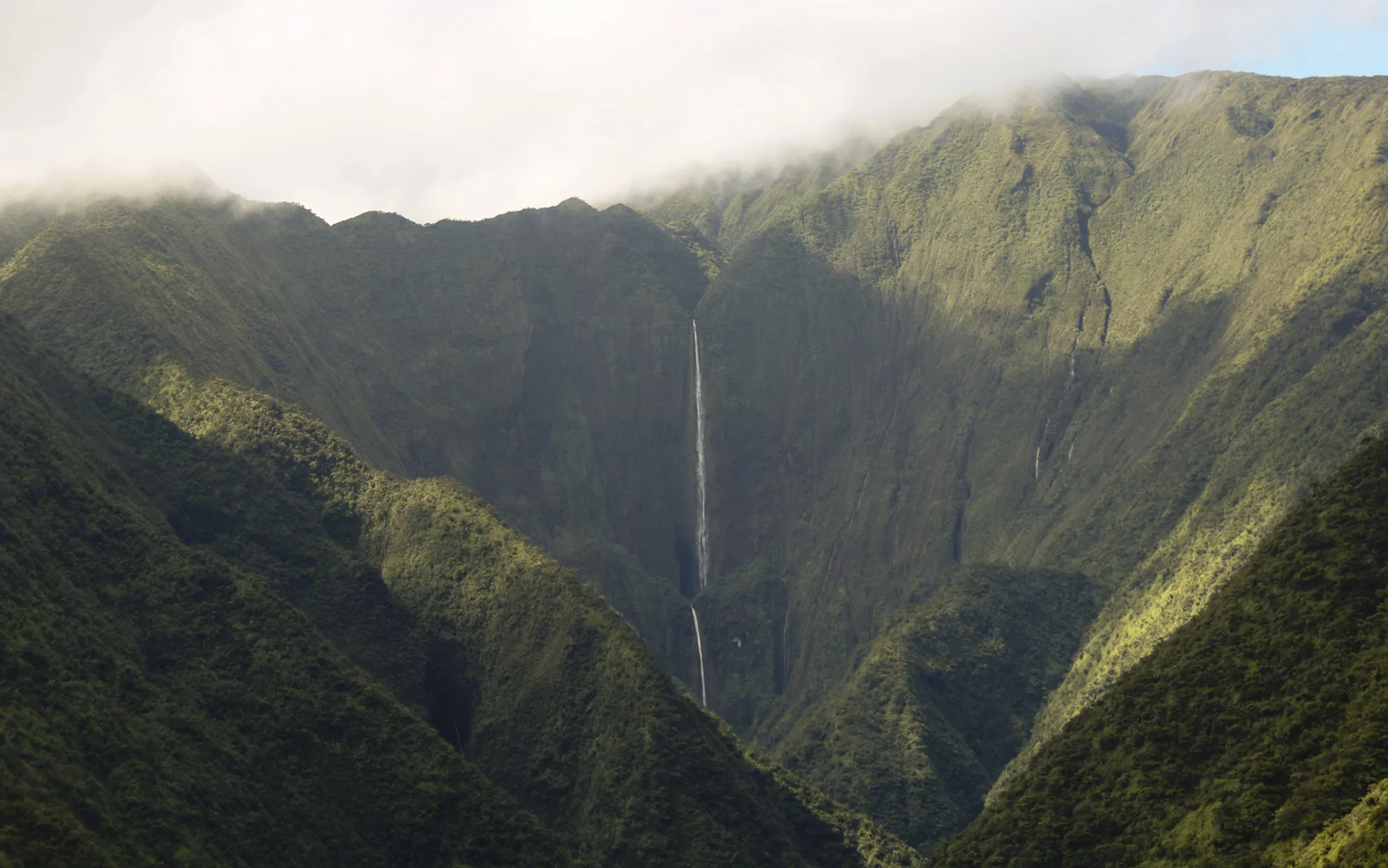
The settlement was organized around the ahupuaʻa, a brilliant system of land division that ensured sustainability. The park encompasses the coastal portions of five of these divisions, including Kaloko and Honokōhau. An ahupuaʻa is typically a wedge-shaped slice of land running from the forested mountains down to the sea, containing all the resources a community needed to be self-sufficient.
This system fostered a symbiotic relationship among the people. Ohana living in the cooler, wetter uplands grew staple crops like kalo and ʻulu. Those living on the arid coast, like the people of Honokōhau, became expert fishermen, harvesting the bounty of the sea and managing the great fishponds. These groups would then trade their resources, ensuring everyone had what they needed. The fish from the coast would be exchanged for the taro from the mountains, a flow of resources that bound the community together.
Here on the lava flats, people also practiced ingenious agriculture, building raised stone planters to grow sweet potatoes and gourds, using coconut husks to retain moisture and protect the plants' roots from the harsh sun.
👑 Aliʻi (Chiefs)
Ruled with divine authority and mana believed to be passed down from the gods. Larger house complexes with multiple structures.
🏛️ Kahuna (Specialists)
Priests, healers, and skilled craftspeople who maintained spiritual and practical knowledge of the community.
🌾 Makaʻāinana (Commoners)
The working people - farmers, fishermen, and craftspeople who formed the backbone of the community.
🏘️ Kahua (House Sites)
Stone foundations throughout the park show where families lived, from simple single structures to complex compounds.
Discover Sacred Places
Explore the spiritual heart of this ancient community, where the physical and spiritual worlds were one.
Explore Sacred Places🏛️ Archaeological Facts
- Total Sites: 450+
- Ahupuaʻa: 5 divisions
- Population: Hundreds-thousands
- Time Period: Centuries
🌊 Ahupuaʻa Resources
- Coast: Fish & salt
- Uplands: Kalo & ʻulu
- Lava flats: Sweet potato
- Mountains: Timber & birds
📖 Navigate This Guide
Ancient aquaculture system
Current page
Heiau & spiritual sites
A Structured Society
Life was governed by a highly stratified social system. At the top were the aliʻi, who ruled with divine authority, or mana, believed to be passed down from the gods. Below them were the kahuna, the makaʻāinana, and at the bottom, the kauwā. This structure is visible in the archaeological record. The remains of kahua are found throughout the park. The homes of aliʻi were typically larger complexes with multiple structures, while a commoner's family might have only one or two simple thatched houses, as most daily activities, like cooking in an imu, took place outdoors.
Kiʻi Pōhaku: Stories in Stone
Perhaps the most intimate connection we have to the individuals who lived here are the kiʻi pōhaku, or petroglyphs, etched into the smooth pāhoehoe lava fields. A special boardwalk trail leads you to a protected area where you can view these incredible rock carvings. The images depict human figures, canoes, animals, and geometric patterns.
The true meanings of many of these carvings have been lost to time, and that is part of their power. They are whispers across centuries. It is generally believed they record important life events—the birth of a child, a successful journey, a family's lineage. As you gaze upon them, you are looking at a canvas our kūpuna used to document their world. To look upon them is to stand in the presence of their mystery, to honor the lives they represent without needing to possess their every secret.
From the kahua where a family slept, they would walk a path like the one you are on to the ʻAiʻōpio fishtrap to gather their meal. The aliʻi who governed them lived nearby, and their stories, perhaps, are the ones etched into these stones. The park also holds evidence of their leisure and sport, with a preserved hōlua and papamū. This was a complete world, a place of work, family, worship, and play.
Explore Sacred Places
Discover where the spiritual and physical worlds merged in ancient Hawaiian life, at the sacred heiau that watched over this thriving community.
Visit Sacred Places