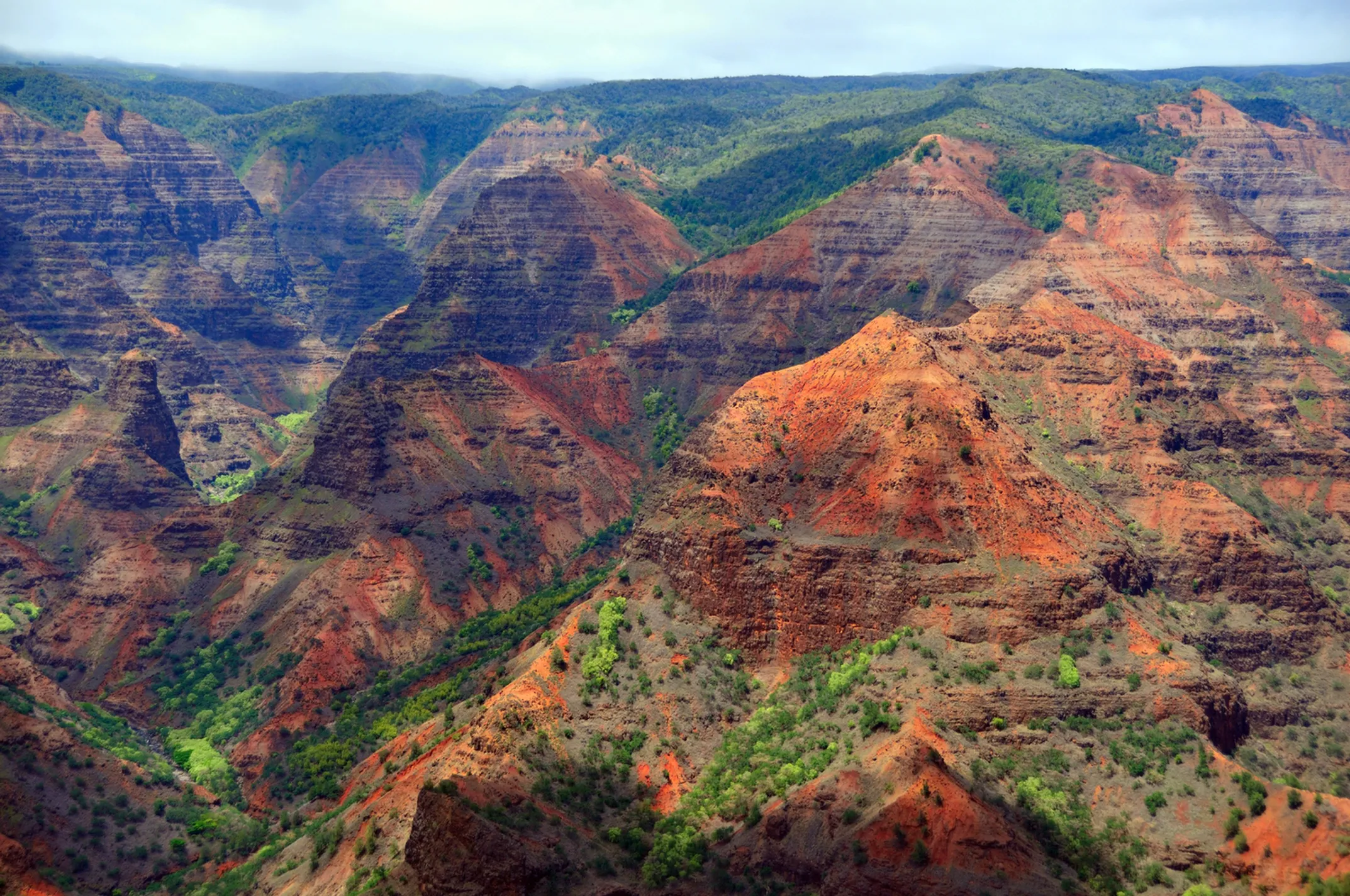
Waimea: Upcountry Charm and Paniolo Soul
From sea level to 2,600 feet - enter Hawaii's cowboy country where ranch heritage meets farm-to-table dining

Written by a Local Expert
Leilani AkoPart 2: Waimea – Upcountry Charm and Paniolo Soul
The drive from the Kohala Coast to Waimea takes you from sea level to 2,600 feet in just 20 minutes. The temperature drops 10-15 degrees. Trade winds blow cooler and steadier. Green pastures replace lava fields. You've entered paniolo country.
Paniolo (Hawaiian Cowboy) Heritage
Paniolo culture runs deep in Waimea. The word comes from "español," referring to the Mexican vaqueros who came to Hawaii in the 1830s to teach cattle ranching. They brought their skills to the vast Parker Ranch, which once covered one-sixth of the Big Island.
Today, Parker Ranch remains one of America's largest cattle ranches. The Parker Ranch Historic Homes and Museum tells the story of John Palmer Parker, who founded the ranch in 1847. His descendants built magnificent homes that showcase 19th-century ranch life. The museum displays authentic paniolo gear, including hand-tooled saddles and silver spurs.
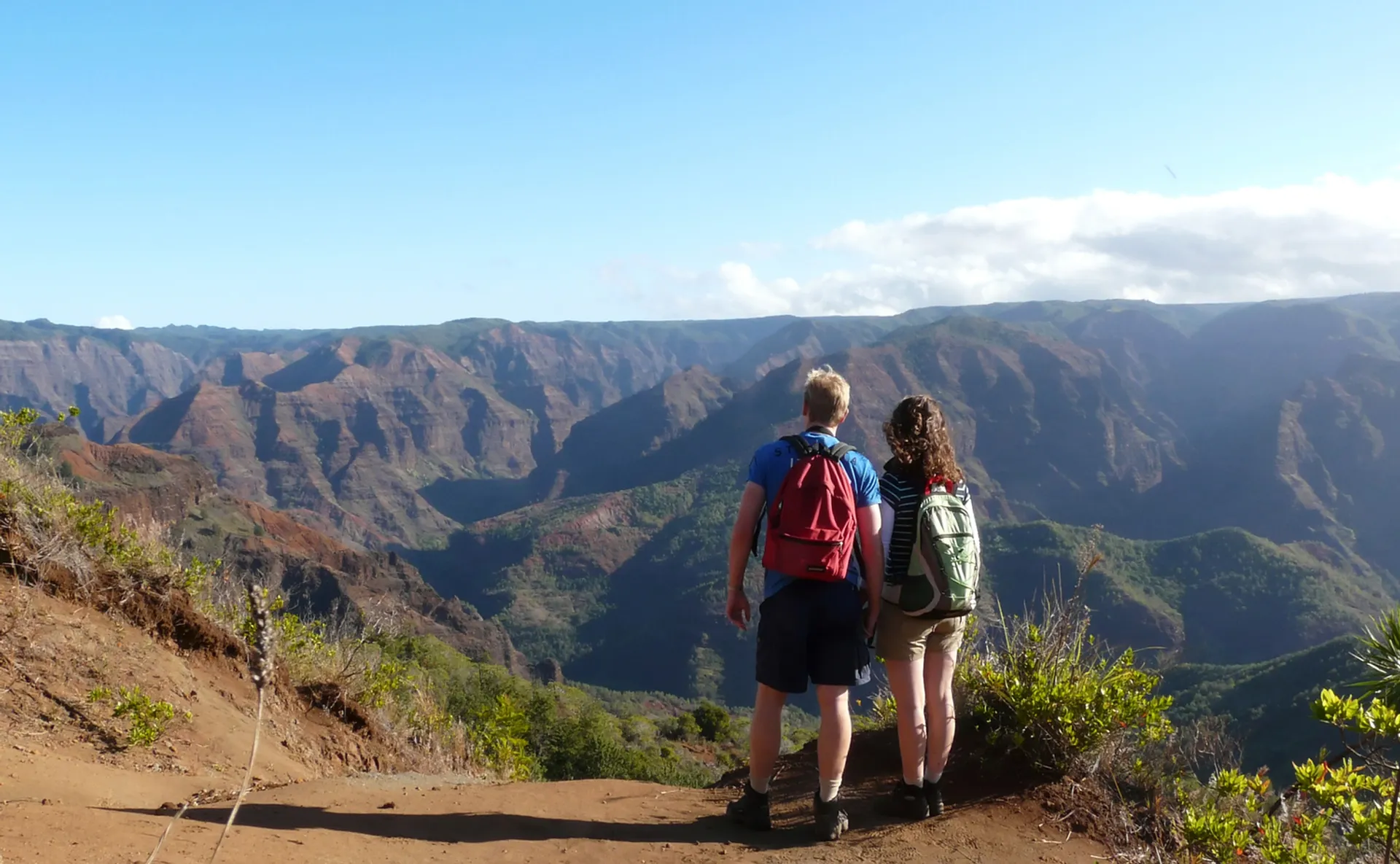
The breathtaking vistas of Waimea Canyon showcase the dramatic geological diversity that makes this region so special
Real paniolo still work the ranch today. They maintain traditions of horsemanship and cattle handling passed down through generations. Every Fourth of July, Waimea hosts the Parker Ranch Rodeo. Local and mainland cowboys compete in traditional events. The rodeo atmosphere brings the whole community together for barbecue, live music, and authentic paniolo spirit.
The annual Waimea Cherry Blossom Heritage Festival celebrates both paniolo and Japanese immigrant cultures. Japanese immigrants came to work on the ranches and brought their own traditions. The festival features rodeo demonstrations, cultural performances, and amazing local food.
A Taste of the Upcountry: Farm-to-Table and Local Eats
Waimea's elevation and climate create perfect growing conditions. Cool nights and warm days suit many crops that won't grow at sea level. The farm-to-table movement started here decades before it became trendy elsewhere.
Merriman's Restaurant pioneered Hawaii regional cuisine in 1988. Chef Peter Merriman sources ingredients from local farms and ranchers within a 50-mile radius. The restaurant sits right in Waimea's ranching heart. Grass-fed beef comes from neighboring pastures. Fresh vegetables grow just minutes away. The menu changes seasonally based on what local farmers harvest.
I recommend making dinner reservations well in advance, especially during peak visitor seasons. The restaurant is filled with both visitors and locals celebrating special occasions. Try the wok-charred ahi if it's available. The technique sears the outside while keeping the center cool and fresh.
🍽️ Merriman's Restaurant
Pioneer of Hawaii regional cuisine. 50-mile radius sourcing. Make reservations well in advance.
Fine dining • Local sourcing🍔 Cool Cat Cafe
Casual dining with Parker Ranch beef burgers and Kona fishing boat fish tacos. Local family favorite.
Casual • Family-friendly🚚 Big Island Shrimp Truck
Garlic shrimp plates that rival Oahu's North Shore. Authentic local prices and genuine island flavors.
Food truck • Local authentic🥘 Yong's Kalbi
Korean-style barbecue reflecting Waimea's diverse immigrant heritage. Hole-in-the-wall gem.
Korean BBQ • Local cultureFarmers Markets & Local Flavors
Waimea's farmers markets showcase the region's agricultural diversity. The Waimea Town Market happens every Saturday morning in Parker School's parking lot. Local farmers sell everything from dragon fruit to heritage tomatoes. The Kamuela Farmers Market runs Wednesday afternoons at Pukalani Stables. Both markets feature prepared foods like fresh poi, malasadas, and plate lunches.
For authentic local flavor, stop at the food trucks that park around town during lunch hours. These hole-in-the-wall gems offer genuine tastes of island life at local prices.
ℹ️ Waimea Quick Info
- Elevation: 2,600 feet
- Temperature: 10-15° cooler
- Famous For: Paniolo heritage
- Drive from Coast: 20 minutes
🛒 Farmers Markets
Saturday mornings • Parker School
Wednesday afternoons • Pukalani Stables
🤠 Paniolo Experience
- Parker Ranch Museum visit
- Historic Homes tour
- July 4th Rodeo event
- Cherry Blossom Festival
🔗 More Kohala
📧 Hawaii Insider
Get local insights and hidden gems from our Hawaii experts.
From Green Pastures to Stargazing
Waimea's location puts you halfway to Mauna Kea's summit. The transition from ranch country to alpine desert happens gradually as you climb. Rolling pastures give way to stunted trees, then bare volcanic slopes, and finally to the moonscape around the observatories.
Several tour companies offer Mauna Kea stargazing trips that pick up in Waimea. The higher elevation and clearer air provide better viewing than departing from sea level. Companies like Mauna Kea Summit Adventures and Hawaii Forest & Trail include warm jackets and hot chocolate for the chilly summit experience.
Guided Tours
Pick up from Waimea with warm jackets and hot chocolate included. Higher elevation means clearer viewing.
- • Mauna Kea Summit Adventures
- • Hawaii Forest & Trail
Self-Drive Option
45-minute drive to visitor center at 9,200 feet. Good stargazing without extreme altitude. Bring warm clothes.
⚠️ Check rental car agreementImportant Summit Information
The summit road requires four-wheel drive vehicles. Rental car companies typically prohibit driving to the summit in their vehicles. Check your rental agreement before attempting the drive. The steep, unpaved road can damage regular cars and void insurance coverage.
If you prefer to explore on your own, the drive to Mauna Kea's visitor center takes about 45 minutes from Waimea. The visitor center sits at 9,200 feet and offers good stargazing without the summit's extreme altitude. Bring warm clothing since temperatures can drop into the 40s even in summer.
Journey to Ancient Valleys
Ready to explore North Kohala's sacred sites and untamed trails? Discover King Kamehameha's birthplace and dramatic valleys in Part 3 of our Kohala series.
Explore North Kohala →