ʻOlohana's Legacy
The Foreigner Who Became a Chief and the Hill of the Whale's Living Heritage
Written by a Local Cultural Expert
Leilani AkoʻOlohana: The Foreigner Who Became a Chief
The story of Puʻukoholā is inextricably linked with one of the most remarkable figures in Hawaiian history: John Young. His life is a microcosm of the profound changes that swept the islands during this era.
A Comprehensive Biography
Born in Crosby, Lancashire, England, Young was a boatswain on the American trading ship Eleanora. In March 1790, his life changed forever. He was sent ashore at Kawaihae to inquire about a companion vessel, the Fair American, which had been captured by one of Kamehameha's chiefs. To prevent the news from reaching Young's captain, Kamehameha detained him. The Eleanora sailed on, leaving John Young stranded in a new world.
He quickly proved his worth. Along with Isaac Davis, the sole survivor of the Fair American, Young became a loyal and indispensable advisor to Kamehameha. His knowledge of Western military technology was a game-changer. He taught Kamehameha's warriors how to use muskets and cannons, and he personally commanded the artillery in pivotal battles, including the conquest of Oʻahu at Nuʻuanu. The Hawaiians gave him the name ʻOlohana, a phonetic rendering of his common nautical command, "All hands!"
His influence grew far beyond the battlefield.
He became a trusted political advisor, a skilled negotiator, and the primary interpreter for foreign visitors like Captain George Vancouver. Kamehameha rewarded his loyalty with immense responsibility, appointing him Royal Governor of Hawaiʻi Island, a position he held from 1802 to 1812.
Military Contributions
- • Taught musket & cannon use
- • Commanded artillery at Nuʻuanu
- • Strategic military advisor
- • Introduced Western warfare
Political Roles
- • Royal Governor (1802-1812)
- • Political advisor to Kamehameha
- • Interpreter for foreign visitors
- • Skilled diplomatic negotiator
A Bridge Between Worlds
John Young did not remain an outsider. He became fully integrated into the highest echelons of Hawaiian society. His status was cemented when he took as his second wife Kaʻōanāʻeha, a high-ranking chiefess who was Kamehameha's own niece. This marriage made him a true aliʻi by association, and through this union, he became the grandfather of one of Hawaiʻi's most beloved monarchs, Queen Emma.
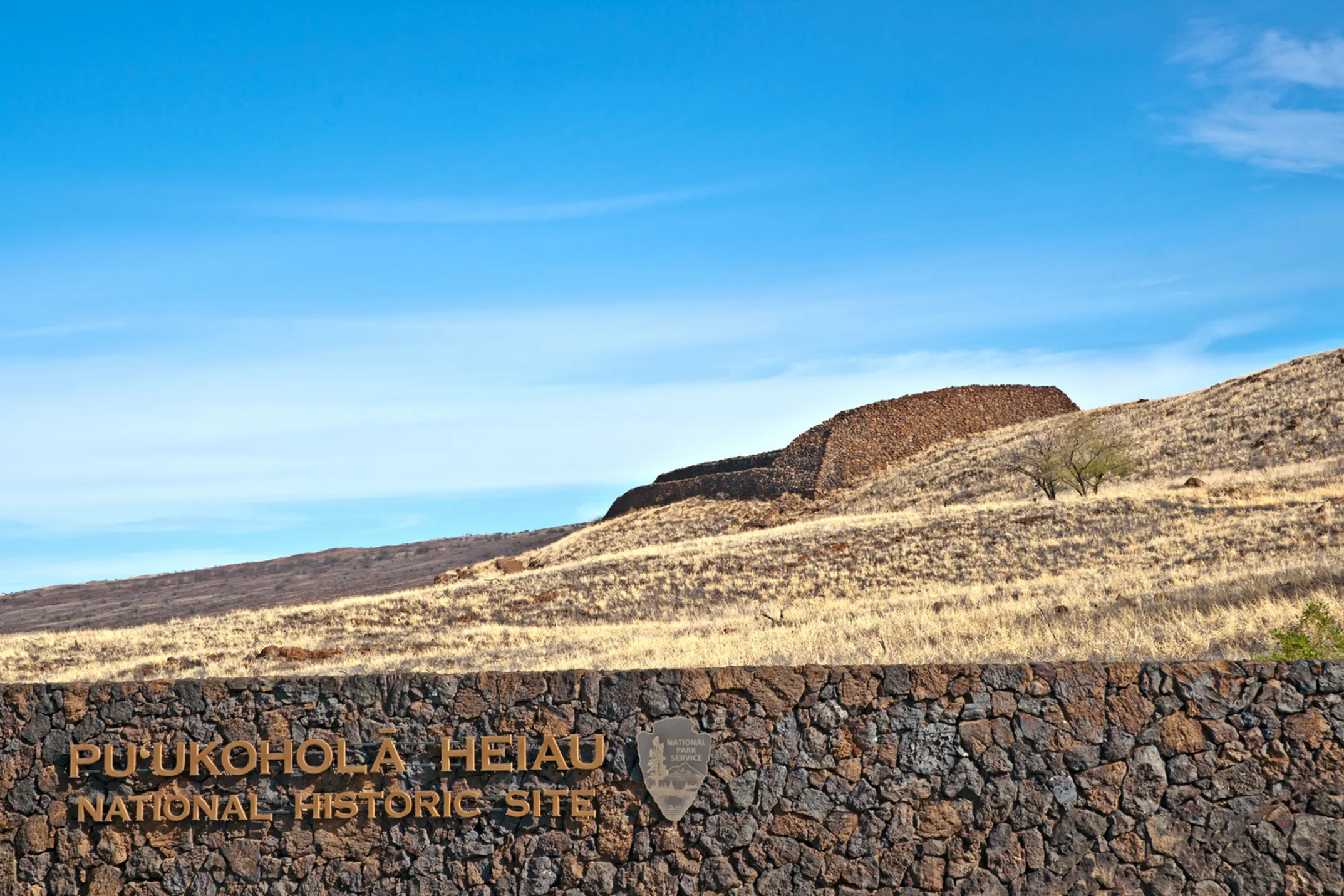
He was granted land right next to the sacred heiau, where he built his family compound. The ruins of his house, the first European-style stone structure in the islands, can still be visited today. It was built using a unique blend of techniques: stone walls plastered with a mixture of crushed coral, poi, and hair. His life was a perfect example of cultural syncretism—the blending of two worlds. He was a British sailor who became a Hawaiian chief, a Christian who advised a king who worshipped Kū, a man who built a Western house with traditional Hawaiian materials.
A poignant story from the end of his life reveals his unique position.
When he fell ill in 1835, he was taken to Honolulu for treatment. He insisted on bringing his own coffin with him, terrified of the traditional Hawaiian burial rites for a chief of his rank. These could involve having his bones stripped of flesh and used to make sacred icons or even fishhooks. This fear shows a man caught between two identities.
He was ultimately buried with full honors in the Royal Mausoleum at Mauna ʻAla, a final testament to the profound respect he had earned in his adopted homeland.
📖 Chapter Navigation
Prophecy & temple construction
Chapter 2: The Sacred GroundsTemple construction & sacrifice
Current chapter
Practical information
⏰ John Young Timeline
- 1790: Stranded at Kawaihae
- 1795: Commands artillery at Nuʻuanu
- 1802-1812: Royal Governor of Hawaiʻi Island
- 1835: Dies in Honolulu
🌺 Cultural Fusion
- Marriage: Kaʻōanāʻeha (Kamehameha's niece)
- Descendant: Grandfather of Queen Emma
- Architecture: Stone house with coral/poi plaster
- Status: True aliʻi by marriage
👑 Young's Legacy
- First Western-style house in Hawaiʻi
- Bridge between two cultures
- Royal lineage through Queen Emma
- Symbol of cultural integration
The Hill of the Whale: Where Land, Sea, and Spirit Meet
The Power of a Name
The name Puʻu Koholā is a direct and literal link to the natural world. It means "Hill of the Whale," a name inspired by the annual migration of humpback whales that grace these waters every winter. To stand on this hill and watch these magnificent creatures is to feel a connection to the same natural rhythms that the ancient Hawaiians witnessed. Kamehameha didn't choose a random hill. He chose a place already imbued with the power and majesty of the largest creatures on earth.
Koholā as ʻAumakua
In Hawaiian culture, whales are far more than just animals. For certain families, they are revered as ʻaumakua, powerful ancestral spirits who act as guardians and protectors from the sea. The whale was a symbol of strength, divinity, and royalty. This is most evident in the lei niho palaoa, a stunning necklace featuring a hook-shaped pendant carved from the ivory tooth of a sperm whale (palaoa). These were among the most sacred possessions of the aliʻi nui, symbolizing their divine authority and connection to the gods. The site's name, therefore, links it not just to the physical whales but to this deep well of spiritual power associated with royalty and the gods.
Spiritual Significance
- • ʻAumakua (ancestral guardians)
- • Symbol of divine authority
- • Connection to gods
- • Royal spiritual power
Lei Niho Palaoa
- • Carved from whale ivory
- • Sacred royal necklaces
- • Hook-shaped pendants
- • Symbol of highest rank
Kaona - The Hidden Meaning
The Hawaiian language is rich with kaona, the art of layered, hidden, or metaphorical meaning. It is possible that "Puʻu Koholā" holds such a double meaning. Some scholars suggest that koholā can also mean "chosen day," which would be a direct reference to the prophecy that the heiau had to be consecrated on a specific day to ensure Kamehameha's victory. The name itself could be a constant reminder of the prophecy's fulfillment.
A Whisper of an Ancient Connection
An even more intriguing, though speculative, layer of meaning connects Kamehameha directly to the mythology of the wider Pacific. His birth name was Paiʻea. In the traditions of the Maori people of Aotearoa (New Zealand), the great ancestor who rode on the back of a whale from the ancestral homeland of Hawaiki (the ancient name for Hawaiʻi) was named Paikea. The linguistic similarity is striking. Could the name of this hill, dedicated to securing the destiny of a man named Paiʻea, be a whisper of a much older, pan-Polynesian connection between humanity and the great whales? We may never know for certain, but it adds a profound layer of mystique to this sacred place.
The power of Puʻukoholā, then, is a fusion of created and inherited mana.
Kamehameha did not create its power from nothing. He chose a location that was already sacred—a hill named for the divine whales, adjacent to ancient temples for sharks and gods, possibly built upon an even older temple foundation. He then layered his own monumental act of will, labor, and sacrifice on top of this existing power, amplifying it into the force that would forge a kingdom.
A Living Legacy: Puʻukoholā Today
A Symbol of Unification and Peace
Today, the cannons on Mailekini are silent, and the oracle tower of Puʻukoholā is gone. Yet the site is anything but dormant. While it was born from a violent conflict, its modern identity for the Hawaiian people is as a powerful symbol of unification and lasting peace. It is considered a cultural kīpuka—a protected place where the vision of a unified Hawaiʻi is honored and Hawaiian culture can thrive.
Hoʻokuʻikahi: To Unify as One
The most vibrant expression of this living legacy is the annual Hoʻokuʻikahi Hawaiian Cultural Festival, held every August to commemorate the park's establishment. The name of the festival itself means "To Unify," a conscious and beautiful transformation of the site's history.
The festival begins at dawn, around 6:00 a.m., with a sacred hoʻokupu ceremony. People from all islands bring traditional gifts and offerings to the heiau. Throughout the day, the grounds come alive with mele (music), pule (prayer), and dozens of hands-on workshops and demonstrations that keep ancient traditions alive. Visitors can learn ulana lauhala (the weaving of pandanus leaves), kuiki (Hawaiian quilting), various styles of lei making, and play traditional Hawaiian games. Some years, there are even opportunities for holo waʻa, or canoe rides, in the bay below.
This festival is a profound reversal of the site's founding act.
Where once a deceptive invitation led to a life being taken, today an open invitation leads to gifts being given. Where once a bloody sacrifice created a political kingdom, today the sharing of culture creates a community of peace. The festival is a testament to the resilience of Hawaiian culture and its ability to transform a place of conflict into one of healing and unity.