Backcountry Adventures
Wilderness experiences beyond the caldera's edge
Adventures in the Backcountry
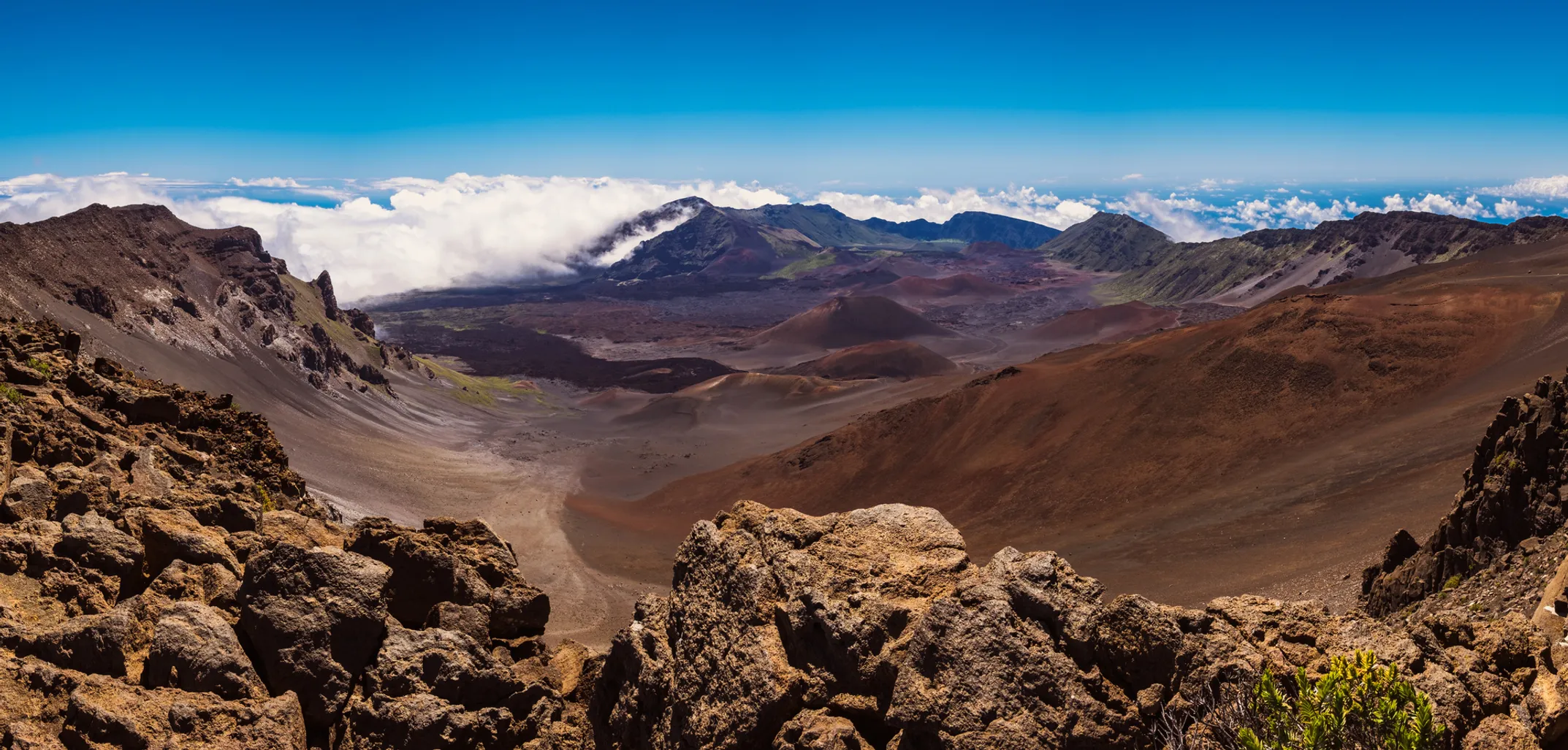
For prepared and skilled visitors, the park offers wilderness experiences beyond the caldera's edge. These backcountry areas demand greater self-reliance but reward you with solitude and deeper connection to Mauna Loa and Kilauea's wild landscapes.
Think of the backcountry as levels of adventure, with each area presenting bigger challenges.
These wilderness areas require complete self-sufficiency. You need excellent navigation skills, physical fitness, and emergency preparedness. Weather can change from tropical to alpine conditions within hours.
Level 1: Kahuku Unit - Mauna Loa's Hidden Side
Perfect for Trying Wilder Experiences
The Kahuku Unit is the park's best-kept secret, perfect for trying wilder experiences. This 116,000-acre area on Mauna Loa's southern slopes was once Hawaii's largest cattle ranch. Its landscape mixes volcanic history with cowboy heritage. Rolling green pastures dot ancient cinder cones and lava flows.
Kahuku is structured and accessible, making it a good backcountry introduction. It's on Highway 11 near mile marker 70.5, about an hour south of the Kilauea summit. The unit is only open Thursday through Sunday, 8 a.m. to 4 p.m. There's no drinking water, so bring everything you need.
Trail Options for Different Fitness Levels
Easy: Kamakapaa Trail
- • Half-mile loop
- • Through grassy meadows
- • To small cinder cone top
- • Sweeping Kau coast views
Moderate: Palm Trail
- • 2.6-mile loop
- • Crosses scenic pastures
- • Main lava channel from 1868
- • Best views in the unit
Strenuous: Pit Crater Trail
- • Steep climb up old ranch roads
- • To massive pit crater
- • Pristine Hawaiian rainforest
- • Protected inside crater walls
Important Conservation Notice
Several Kahuku trails require you to clean your footwear at decontamination stations. This prevents spreading Rapid Ohia Death, a fungal disease killing Hawaii's most important native tree.
Level 2: Kau Desert and Footprints Trail
Walking Through History
The Kau Desert offers intermediate wilderness challenge. Despite its name, this isn't a true desert. It gets too much rain for that. Its stark, desolate appearance comes from its location in Mauna Loa's rain shadow and acid rain from Kilauea's gases mixing with moisture. This acidic rain stops most plants from growing, creating landscape that Mark Twain called a "petrified sea."
A Tragic Moment in Hawaiian History
The Footprints Trail preserves a tragic moment in Hawaiian history. In 1790, a powerful explosive eruption at Kilauea sent hot gas and ash raining down on the desert. People traveling through left footprints in the fresh, damp ash, which the sun then baked hard.
For years, people believed these prints belonged to Chief Keoua's warriors caught in the eruption while battling Kamehameha I. Recent research shows many prints were made by women and children, probably traveling for everyday reasons. This adds a deeply human layer to the story.
Trail Information
Access & Easy Section
- • Starts at Highway 11 (mile markers 38-39)
- • Easy 0.8-mile walk to shelter
- • Protects some visible footprints
- • Interpretive information available
Wilderness Section
- • Beyond shelter = true wilderness
- • Only stone cairns mark the path
- • Sharp, unstable lava rock fields
- • No water, no shade, exposed hiking
Wilderness Requirements
Complete self-sufficiency required: Excellent navigation skills, endurance for long exposed hikes, and emergency preparedness. This is not a casual day hike beyond the shelter.
Level 3: Mauna Loa Summit
The Ultimate Challenge
Climbing Mauna Loa represents the peak of park adventure. This isn't a casual day hike. It's serious, high-altitude mountaineering that only highly experienced, physically fit, and thoroughly prepared backpackers should attempt.
Current Access Limitations
Trail damage from the 2022 Mauna Loa eruption limits summit access to one route: the Ainapo Trail. This trail is described as "extremely hard, rocky and steep."
Complex Permit Process
National Park Permit
Required for Mauna Loa Summit Cabin at 13,250 feet. Reserve through Recreation.gov well in advance.
State Permit
Separate permit needed for Ainapo Cabin at 7,750 feet, where most hikers adjust to altitude.
Ranch Access
Submit online form to Kapapala Ranch for gate access through private land.
Severe and Potentially Deadly Dangers
Weather Extremes
Winter conditions including blizzards, high winds, and whiteouts can happen anytime. Temperatures drop below freezing every night.
Altitude Sickness
The biggest health risk. Life-threatening forms affect lungs and brain. The only cure for serious altitude sickness is immediate descent.
SCUBA Divers Warning
Must wait at least 24 hours before attempting the climb to avoid decompression sickness.
This trek is a profound challenge offering unmatched solitude and the achievement of standing atop Earth's largest volcano for those with the skill and preparation to try it.
Beyond Park Boundaries
Following Lava to the Sea
The geological forces inside Hawaii Volcanoes National Park don't stop at its borders. Kilauea and Mauna Loa's creative power reaches all the way to the ocean, shaping the dramatic Kau district coastline and forming some of the Big Island's most unique beaches.
Your park visit can anchor a broader regional journey, following lava's path from volcanic summits to ocean's edge. This creates a complete story where a trip to black or green sand beaches isn't just another stop, but the final chapter in the land creation story that began high in the park.
Punaluu Black Sand Beach
The black sand comes directly from park volcanoes. Made of tiny basalt particles created when molten lava meets cold Pacific water.
- • 30 miles south on Highway 11
- • 40-45 minute drive from summit
- • Hawaiian Green Sea Turtles frequent visitor
- • Challenging swimming conditions
Papakolea Green Sand Beach
One of only a few green sand beaches in the world. Olive-green color from high concentrations of olivine mineral from 50,000-year-old eruption.
- • Rugged 5-6 mile coastal hike
- • Hot, dusty, completely exposed
- • Unofficial shuttle services available
- • Powerful surf - dangerous swimming
A Park for Everyone
Access and Giving Back
Hawaii Volcanoes National Park works to welcome all visitors, regardless of physical ability. While the rugged, changing terrain presents challenges, the park is committed to improving access. Beyond visiting, there are ways to transform your experience from passive tourism to active care, playing a direct role in preserving this precious landscape.
Accessible Volcano Experiences
For visitors with limited mobility, planning is key to a successful visit. The park provides accessible facilities, trails, and viewpoints that offer powerful ways to experience the volcanic landscape.
Accessible Facilities
- • Temporary Welcome Center at Kilauea Military Camp
- • Volcano House hotel and Volcano Art Center gallery
- • Wheelchairs available for loan (first-come, first-served)
- • Accessible restrooms at multiple locations
Accessible Trails & Viewpoints
- • Devastation Trail (1-mile paved path)
- • Most of Sulphur Banks trail from Steam Vents
- • Kilauea Overlook (short paved path)
- • Wahinekapu (Steaming Bluff) overlook
Volunteer for the Land
For visitors seeking deeper connection to the aina (land), Hawaii Volcanoes National Park offers a "Stewardship at the Summit" volunteer program. This is your chance to move beyond observation and actively participate in critical restoration work.
How You Can Help
Volunteers work alongside park staff on vital conservation projects, mainly removing invasive plant species and planting native ones. This hands-on work helps protect the park's unique life forms and contributes directly to forest health that's integral to Hawaiian culture and ecology.
Participating offers an unmatched chance to learn about local plants, understand conservation challenges in Hawaii, and leave a positive, lasting impact on the park. To ask about current volunteer opportunities, contact the park's Youth and Volunteer Programs Coordinator directly.
The Enduring Power of Pele
A Journey Through Time
A journey through Hawaii Volcanoes National Park is a journey through time, from ancient stories carved in stone at Puuloa to brand-new land being forged in Halemaumau's fires. This place demands respect and preparation in equal measure.
The ongoing construction shows the volcano's immense power to reshape not only land but also human structures built upon it. The eruption's episodic nature constantly reminds us that this landscape operates on its own schedule, following rhythms dictated by forces deep within Earth.
To visit here is to accept an invitation into Pele's domain. You witness a world in constant change, a place that's never the same twice. By arriving with understanding of the park's dynamic conditions, reverence for its sacred culture, and profound wonder, you can experience its full power.
Whether walking across a still-steaming crater floor, feeling heat from volcanic vents, or simply standing in quiet awe under a sky lit by creation's glow, the experience resonates long after leaving these shores. It's a powerful reminder of our planet's vitality and the enduring, creative, untamable spirit of Pelehonuamea.
From my ohana to yours, may your journey to this sacred place fill you with the same sense of wonder that has guided my people for generations. Malama pono (take care) and remember always to malama aina (care for the land).
Aloha.
Complete Your Park Experience
📊 Adventure Levels
🎒 Preparation Needs
Kahuku
- • Basic hiking gear
- • Bring your own water
- • Thu-Sun access only
Kau Desert
- • Navigation skills
- • Desert survival gear
- • Emergency preparedness
Mauna Loa
- • Mountaineering experience
- • Multiple permits required
- • Altitude sickness awareness
⚠️ Critical Warnings
Weather Extremes
Conditions change rapidly
No Cell Service
Emergency communication limited
Self-Rescue
You are responsible for yourself
📋 Permits Needed
Mauna Loa Summit
- • NPS permit (Recreation.gov)
- • State permit (Ainapo Cabin)
- • Ranch access form
Kahuku & Kau Desert
No permits required
🚨 Emergency
Emergency
Call 911
Park Rangers
(808) 985-6011
Search & Rescue
Hawaii County Fire Dept