Safety & Cultural Respect
Essential Guidelines for Sacred Waters
Staying Safe: The River's Deadly Power
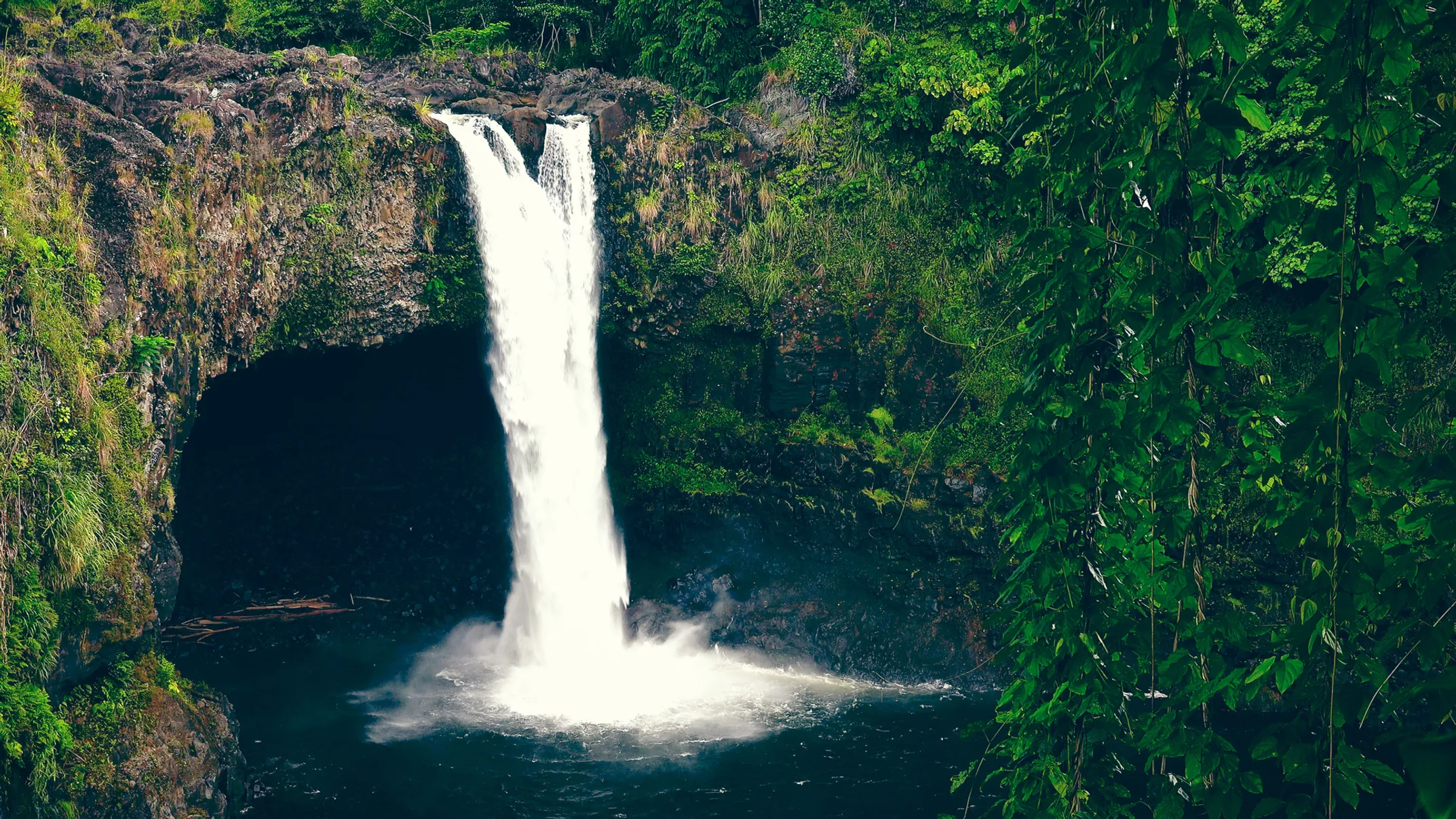
The beauty of Wailuku River matches its danger. This isn't a place for playing in water. It's a powerful force that demands respect. The name Wai-luku means "waters of destruction." Heed that warning.
Sadly, this river has killed many people. It accounts for 25% of all river drowning deaths in Hawaii. New signs now list death dates to show the real danger.
Flash floods are the main threat. They happen with terrifying speed and little warning. The river drains huge areas on Mauna Kea's rainy slopes. Heavy rain miles away in the mountains can send massive water surges down the narrow channel. Even on clear sunny days in Hilo, the river can rise several feet in minutes.
Ancient moʻolelo serve as the first warnings. Stories of Hina trapped by rising water and Kuna sending floods aren't just fantasy. They're ancestral safety lessons built into memorable stories.
Reading Nature's Warning Signs
Learn to read the river's immediate signs. A sudden change from steady rumble to deep roar warns of danger. A sudden wind blowing downstream can mean a wall of water is pushing air ahead of it. If you see either sign, move away from the river edge right away.
🚨 Immediate Danger Signs
- Sound changes to deep roar
- Sudden downstream wind
- Water level rising
- Debris in water
⚠️ If You See These Signs
- Leave river area immediately
- Move to higher ground
- Don't try to cross
- Warn other visitors
The river hides other deadly dangers. Turbulent currents carved networks of underwater lava tubes, caves, and deep holes. These create powerful underwater whirlpools that can trap even elite swimmers. Many athletes have died here. The water hides these features, making jumping from rocks extremely dangerous.
Critical Safety Rules
Check Conditions First
Look at the USGS river gauge for Wailuku River at Piihonua. Check NOAA weather and flood warnings for Hilo.
Follow All Warning Signs
Posted warning signs, fences, and barriers exist for life-or-death reasons.
Listen for Changes
Changes in sound or sudden downstream wind mean immediate danger.
Wear Proper Footwear
Sturdy closed-toe shoes with good grip. The volcanic rock is sharp and extremely slippery when wet.
NEVER Enter Water
No swimming, wading, or water contact. Currents are deceptively strong and hide deadly hazards.
No Jumping or Diving
Underwater lava tubes and boulders are invisible and have trapped swimmers.
Never Try to Cross
Even shallow-looking water can sweep you away instantly.
Stay Alert on Sunny Days
Greatest danger comes from rainfall miles upstream that you can't see.
Respecting Sacred Space
Wailuku River State Park is more than a recreational area. It's a wahi pana. A celebrated, storied, and sacred place in Hawaiian culture. Such places hold mana spiritual life force. Treat them like you would a church, temple, or any holy place.
Proper Approach
The right mindset starts before you reach the main viewpoint. Take a quiet moment when you arrive. Silently ask permission to enter. State who you are and your peaceful intent. Express gratitude for the privilege of visiting this sacred place.
Cultural Guidelines
✅ Appropriate Behavior
- • Quiet, respectful demeanor
- • Silent prayer or meditation
- • Gentle photography
- • Leave no trace
- • Offer your aloha and respect
❌ Inappropriate Behavior
- • Loud voices or music
- • Disruptive behavior
- • Public displays of affection
- • Moving or stacking stones
- • Leaving offerings or items
Once in the park, stay quiet and respectful. Loud voices, disruptive behavior, and public displays of affection disturb the harmony of the site.
Leave the site physically unchanged. Don't move, stack, or take any pōhaku stones. Building rock towers isn't a traditional Hawaiian practice. People see it as harming the site.
Understanding Hoʻokupu (Offerings)
Many visitors get confused about leaving offerings or hoʻokupu. Coins, crystals, incense, personal jewelry, or rocks wrapped in ti leaves aren't appropriate. These items can damage natural features and count as litter.
Traditional Hawaiian Hoʻokupu
In Hawaiian tradition, the most valuable hoʻokupu is often non-physical. It's your aloha love and respect for the place. Your ha the breath of life, given through chant or silent prayer. Your olelo your spoken word, perhaps a quiet promise to protect the area.
If you're unsure about leaving something, don't. Your quiet respect is the most meaningful offering you can make.
The Living Park
Beyond the powerful water and ancient rock, Wailuku River State Park pulses with life. Constant mist from the falls and abundant Hilo rain support lush growth. While many plants came from other places, precious native life still grows here.
Gorge walls wear curtains of broad monstera leaves and fragrant wild ginger stalks. These create the classic tropical paradise look. Among them, native ʻōhiʻa lehua trees still grow. Look for their brilliant red brush-like blossoms. These flowers are central to Hawaiian culture and lei making.
🦇 ʻŌpeʻapeʻa (Hawaiian Hoary Bat)
This federally endangered species is Hawaii's only native land mammal. With a foot-wide wingspan, these solitary night hunters roost in ʻōhiʻa trees and emerge at sunset.
🐦 Native Forest Birds
Look for the bright red ʻapapane and olive-green ʻamakihi. These native honeycreepers add color and song to the rainforest canopy.
Explore More of Hilo
Discover the vibrant local culture, lava tubes, scenic drives, and other natural wonders that complement your park visit.
Explore Hilo Area🚨 Emergency
Emergency: 911
USGS River Gauge
Wailuku River at Piihonua
NOAA Weather
Flood warnings for Hilo
📖 Hawaiian Terms
Wahi Pana
Sacred, storied place
Mana
Spiritual life force
Kuleana
Responsibility
Hoʻokupu
Offering, gift
Pōhaku
Rocks, stones
📊 Sobering Facts
25%
of all Hawaii river drownings occur here
Many victims
were experienced swimmers and athletes
"Waters of destruction" - the name warns us