Hoʻokipa for All: Making Events Accessible
Planning wisdom, cultural etiquette, and accessibility insights for Big Island events

Your Cultural Guide
Leilani Ako♿️ Accessibility & Inclusion
Mobility Considerations Most major venues provide ADA-compliant parking and restroom facilities. Hele-On bus system offers paratransit services throughout the island—call 961-8744 at least 24 hours in advance. Many hotels provide wheelchair and walker rentals through their concierge services.
Beach events can be challenging for wheelchair users. Richardson Beach Park and Onekahakaha Beach Park offer paved paths to sandy areas. Old Kona Airport State Recreation Area has the most extensive accessible facilities on the Kona side.
Sensory Accommodations Large events like Merrie Monarch can overwhelm visitors with sensory processing challenges. Most venues provide quiet areas or viewing zones away from crowds. Contact event organizers in advance to discuss specific needs.
Several festivals now offer sensory kits with noise-reducing headphones, fidget tools, and visual schedules. The Slack Key Guitar Festival and Kona Coffee Cultural Festival both maintain these resources.
Language and Cultural Access Many events provide interpretation services for Hawaiian language portions. Cultural protocols can seem confusing to first-time visitors—don't hesitate to ask volunteers for guidance. Most locals appreciate visitors who want to participate respectfully.
🌦️ Weather Wisdom: Planning Around Island Seasons
Trade Wind Season (April–October) Consistent northeast winds bring clear skies to leeward areas but can create choppy ocean conditions. Outdoor concerts and beach events rarely get canceled, but bring layers for elevation changes. Mauna Kea can be 40 degrees cooler than sea level.
Kona Weather Season (October–April) Light or variable winds can bring volcanic air pollution (vog) to normally clear areas. Check air quality reports if you have respiratory sensitivities. This season also brings whale watching and higher surf on north and west shores.
Rain Patterns Hilo receives rain year-round, but afternoon showers usually last less than an hour. Pack a light rain jacket but don't cancel outdoor plans. Kona stays dry most of the year but gets occasional heavy downpours during winter months.
Volcanic Activity Current eruptions within Kilauea crater create spectacular viewing opportunities but can affect air quality downwind. Trade winds usually carry volcanic gases away from populated areas, but conditions change quickly. Check Hawaii Volcanoes National Park alerts before planning visits.
🚗 Parking and Transportation Hacks
Merrie Monarch Week Downtown Hilo parking disappears by 10 AM during festival week. The Prince Kūhiō Plaza park-and-ride offers free shuttle service to the stadium. Street parking near Liliʻuokalani Gardens allows walking distance to both the stadium and outdoor viewing areas.
Private lots charge $10–20 for festival parking. Some churches and schools offer parking for donations to their fundraising projects. Always respect private property signs and don't block residential driveways.
IRONMAN Week Ali'i Drive closes to through traffic on race day. Park at Kailua Elementary School or Kona Community Hospital for free shuttle service to spectator areas. Both locations offer restroom facilities and shade.
Keauhou Shopping Center provides paid parking ($5) with shuttle service to multiple viewing points. This option works well for families with young children who need frequent restroom breaks.
General Festival Tips Arrive early for free parking at most venues. Many events offer discounted parking for carpools—organize with other visitors staying at your hotel. Ride-sharing services operate throughout the island but may have limited availability during peak events.
Hele-On Bus Service Hele-On bus service connects major events with affordable fares. Route maps and schedules are available online, but service can be limited to rural venues. Plan return transportation in advance, especially for evening events.
🌺 Kupuna Etiquette: Honoring Our Elders
Seating Protocols Always offer seats to elderly visitors, especially at outdoor events without assigned seating. Many events reserve front sections for kupuna—respect these boundaries even if they appear empty.
Stand when kupuna enter or leave ceremonial areas. This applies particularly to hula performances and cultural demonstrations. When in doubt, follow the lead of local families around you.
Lei Etiquette If someone offers you a lei, accept it graciously with both hands. Never refuse a lei or throw it away in public—this is considered extremely disrespectful. When removing a lei, do so privately or ask about proper disposal methods.
At cultural events, wait for kupuna to receive lei first. If you're participating in a lei exchange ceremony, approach with head slightly bowed and wait for the giver to place the lei rather than reaching for it.
💰 Budget Barometer: Experiencing Culture Affordably
Free ($0)
- Whale watching from shore
- Hilo Farmers Market browsing
- Sunday kanikapila music sessions
- First Friday art walks
- Downtown Hilo holiday celebrations
- Most hiking trails and scenic viewpoints
- Merrie Monarch outdoor viewing
- Community beach cleanups
Low Cost ($1–15)
- Kona Coffee Festival button ($5)
- Local plate lunch during events ($8–12)
- Hele-On bus transportation ($2 per ride)
- Parking at private lots ($5–10)
- Small lei from farmers market vendors ($3–8)
Moderate ($16–50)
- Single-day Merrie Monarch tickets ($20–35)
- Coffee farm tours with tastings ($15–25)
- Local craft workshops ($20–40)
- Festival t-shirts and souvenirs ($15–30)
- Group dinner at local restaurants ($25–40)
Higher Investment ($51+)
- Whale watching tours ($60–120)
- Multi-day festival packages ($75–200)
- Professional cultural workshops ($60–150)
- Premium Merrie Monarch seating ($75–150)
- Private guide services ($100–300)
Cross-Island Adventure Callouts
Oʻahu Extensions If you're attending Merrie Monarch in April, consider extending your trip to catch the final cherry blossoms at Lyon Arboretum or attend a Honolulu Symphony performance. The contrast between rural Big Island culture and urban Honolulu creates a fuller picture of contemporary Hawaii.
Pearl Harbor requires advance ticket reservations, especially during peak tourism months. Book tickets online before leaving the mainland to guarantee admission. Early morning tours work best, allowing afternoon exploration of Chinatown or Bishop Museum.
For adventure seekers, Coral Crater Adventure Park offers zip-lining and off-road tours just 30 minutes from Honolulu Airport. This makes a good activity for departure day when you need something near the airport.
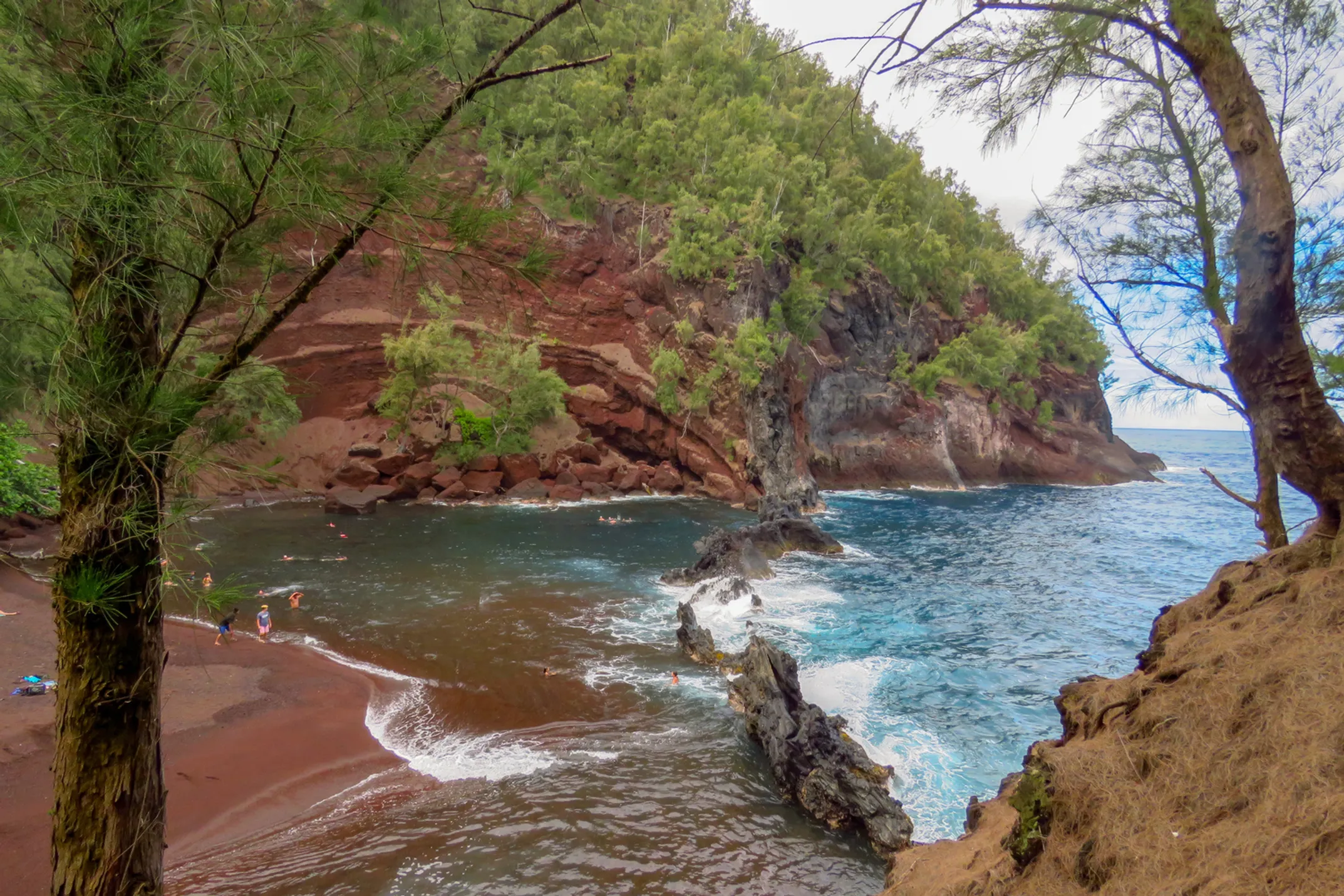
Maui Connections The Road to Hana offers a dramatic contrast to Big Island landscapes. If your schedule includes both islands, consider flying into Kahului and island-hopping to Kona. This routing often costs less than round-trip tickets to the Big Island.
Haleakala sunrise viewing requires advance reservations and differs significantly from Big Island volcano viewing. Maui's summit experience focuses on astronomical observation while Kilauea emphasizes geological activity.
Cultural Continuity Each island preserves different aspects of Hawaiian culture. The Big Island's connection to Pele and volcanic creation stories complements Maui's Haleakala legends and O'ahu's Pearl Harbor history. Visiting multiple islands during cultural festival seasons provides deeper understanding of Hawaii's diverse heritage.
The Heart of It All
After seventeen years of calling the Big Island home, I've learned that the best cultural experiences happen in quiet moments between big events. It's the conversation with a lei maker about her grandmother's techniques. It's the shared smile when a keiki performs her first hula. It's the way strangers become 'ohana over coffee and stories.
These events exist because communities care enough to preserve them. They continue because visitors engage respectfully and contribute positively. They thrive when cultural exchange flows both ways—when you share something of yourself while learning something new.
The Big Island's calendar reflects its people: diverse, resilient, connected to land and sea. Every event has roots that reach back generations and branches that extend toward the future. When you participate, you become part of that continuing story.
Plan your trip around these rhythms. Come for Merrie Monarch but stay for the farmers market. Attend IRONMAN but join a beach cleanup. Watch the hula but learn a song. Taste the coffee but meet the farmers.
Continue the Big Island Events Guide
Explore seasonal events, cultural celebrations, and planning tips throughout the year.
🧭 Plan Smart
- Check park alerts (Volcanoes NP)
- Confirm event schedules in advance
- Coordinate inter-island flights
🤝 Respect & Aloha
- Offer seats to kupuna
- Accept lei with both hands
- Ask before photographing elders