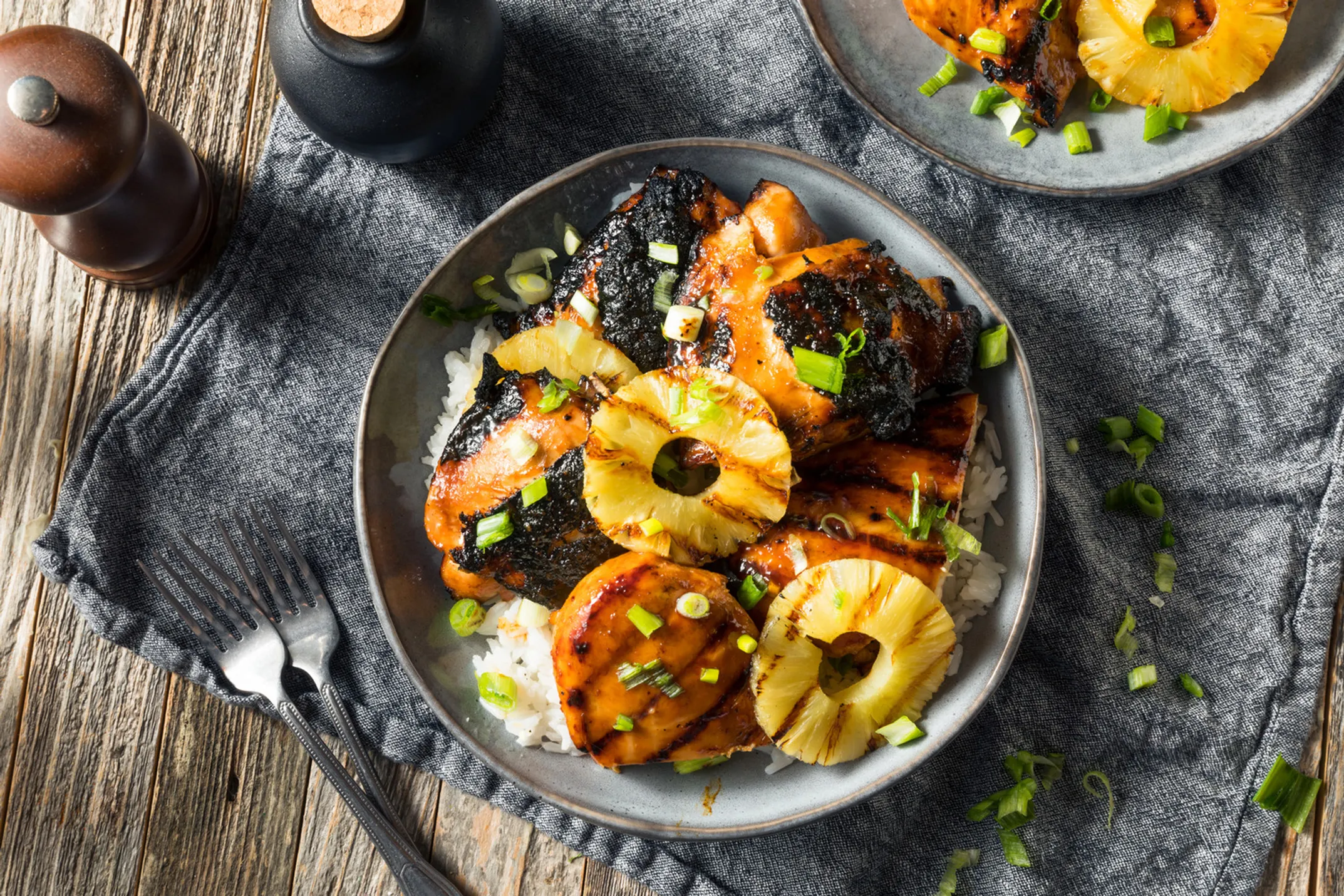
The Soul of the Islands on a Plate
A Definitive Guide to Hawaiian Cuisine's Past, Present, and Future
✓ Free cancellation · ✓ Instant confirmation · ✓ Best price guarantee

Written by a Local Culinary Expert
Leilani AkoOn This Page
Aloha! I'm Leilani Ako, and if you've ever wondered how a plate of food can tell the story of an entire culture, you're about to find out. Growing up here on O'ahu, I've watched our cuisine evolve from ancient traditions to global recognition. This is that story—written in smoke and spice, in soil and sea.
Hawaiian Regional Cuisine isn't just about food. It's about resilience, adaptation, and profound respect for the 'āina (land) that defines our islands. From sacred kalo fields and underground earth ovens to James Beard Award–winning restaurants and world-renowned food festivals, every dish carries the mana of this place and its people.
Top-Rated Food Experiences · O'ahu
Ready to Taste Hawaiian Cuisine?
Handpicked by Leilani Ako
Top Hawaiian Culinary Experiences
Hawaiian Food Tour
Guided · Local Markets · Expert Chef
Chinatown Food Walk
Walking Tour · History · Ethnic Eats
Farm-to-Table Cooking Class
Hands-On · Local Farm · Take-Home Recipes
All experiences include local expert guides · Prices vary by season and availability
🌿 He 'Āina Momona: Ancient Hawaiian Food
Long before farm-to-table became trendy, ancient Hawaiians perfected it. To understand Hawaiian food today, you need to go back to the beginning—before restaurants, before tourism, before anyone called it "cuisine" at all.
🛶 The Canoe Plants
The first Polynesian voyagers brought kalo (taro), 'uala (sweet potatoes), 'ulu (breadfruit), niu (coconut), and kō (sugarcane). These weren't random choices—every plant served a vital purpose. They formed the foundation of Hawaiian life for centuries.
🏔️ The Ahupua'a System
Picture a slice of pie running from the mountains to the sea. Each ahupua'a contained everything a community needed—forests, farmland, and fishing grounds. Nothing was wasted. Everything was shared. The 'Aha Moku councils managed these lands with one philosophy: mālama 'āina.
🥣 Kalo: Our Elder Brother
In Hawaiian creation, the sky father Wākea and earth mother Papa had a stillborn child named Hāloa. He was buried, and from that spot grew the first kalo plant. Their second son—also Hāloa—became the ancestor of all humanity. This makes kalo our elder brother. It feeds us. We protect it.
🔥 The Imu — Earth Oven
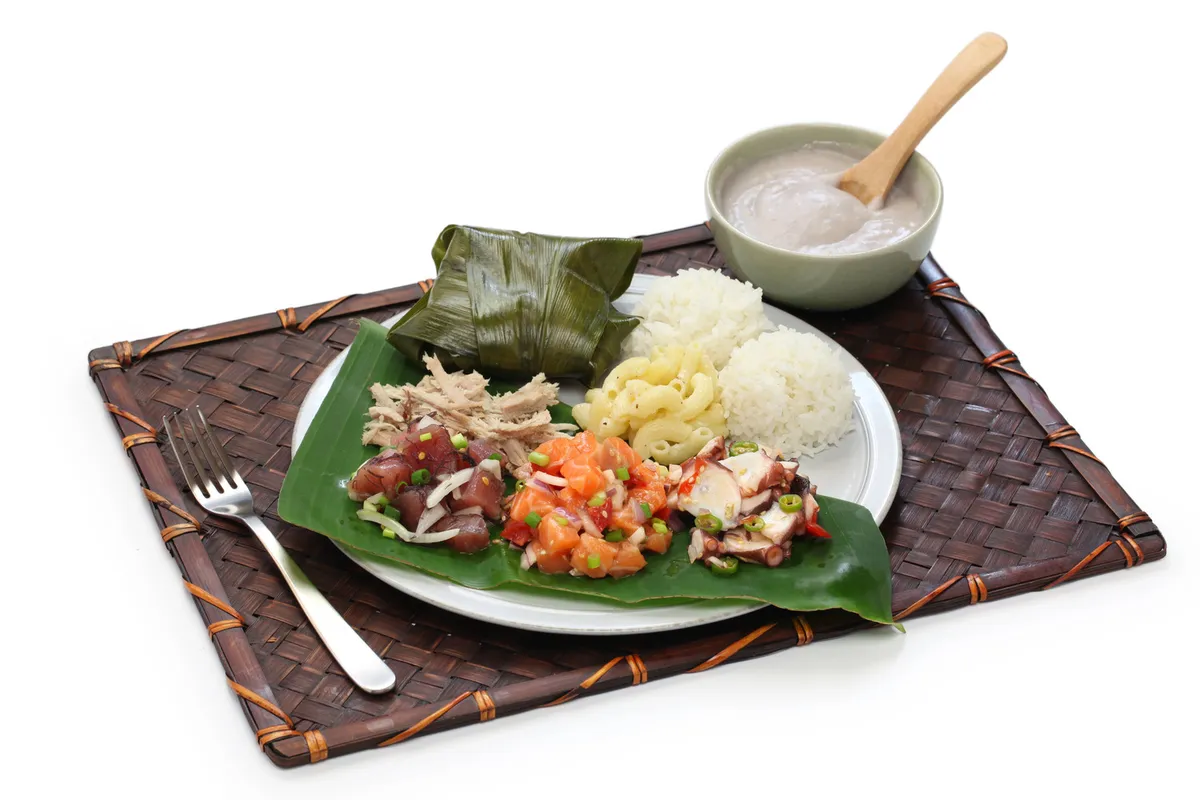
The main cooking method was the imu, an underground earth oven. Hot volcanic rocks steamed and roasted food wrapped in banana or ti leaves. This process—called kālua—gives that signature smoky flavor we still love today, most famously in kālua pig.
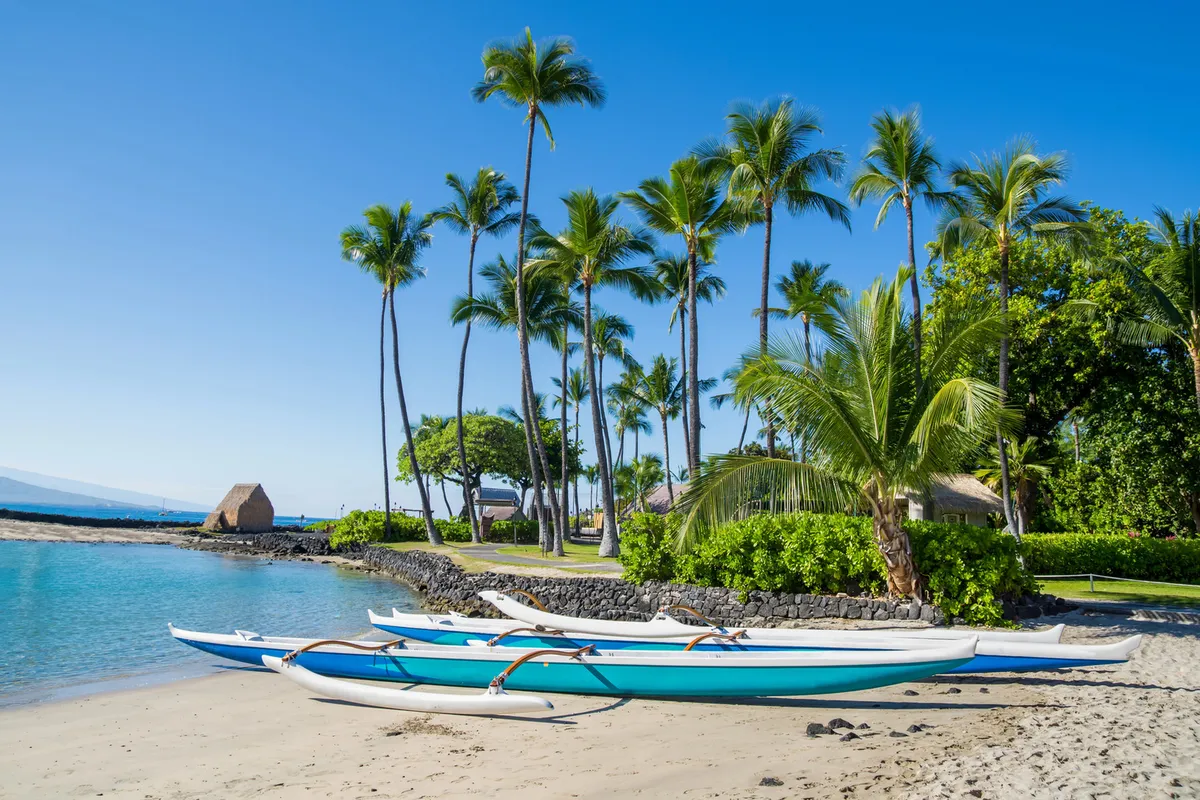
Polynesian voyagers crossed 2,400 miles of open Pacific, bringing the canoe plants that became Hawaii's culinary foundation
🌺 Leilani's Insight
The ancient Hawaiians were master fishermen who built sophisticated coastal fishponds. On Moloka'i you can still see the ruins of what was once the largest fishpond in Polynesia. Food wasn't just sustenance—it was ceremony, sacred, and social.
🌾 The Birth of "Local Food": A Culinary Crossroads
Fast forward to the mid-1800s. Sugar and pineapple plantations needed workers—lots of them. People came from everywhere: China, Japan, Portugal, Philippines, Korea, Puerto Rico. Each group brought their own food traditions. The plantation camps became mixing bowls, creating something entirely unique.
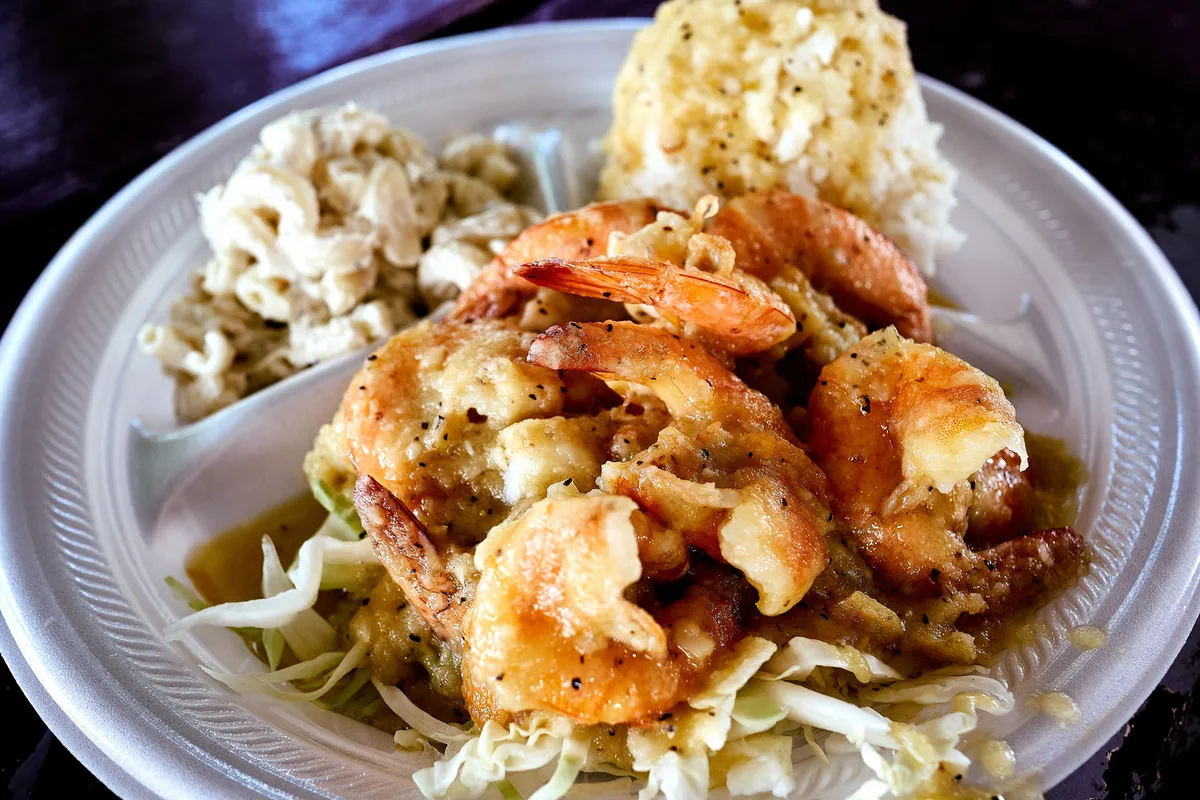
The plantation era transformed Hawaii's food culture through multicultural exchange and shared meals
🍱 The Plate Lunch
Two scoops rice + mac salad + entrée. Asian rice, American mac salad, and an entrée that could be Japanese katsu, Korean kalbi, or Hawaiian kālua pig. One plate tells the entire immigration story.
🍜 Saimin
Pure Hawaiian creation. Japanese dashi broth, Chinese char siu pork, wheat-and-egg noodles. Sometimes Portuguese linguiça or Korean kimchi float alongside. That's local food.
🍙 Spam Musubi
WWII brought military bases and canned meat. Local ingenuity turned cheap Spam into something special—grilled, glazed with teriyaki, on rice, wrapped in nori. Japanese technique meets American ingredient.
🍩 Malasadas
Portuguese workers from Madeira and the Azores brought sugar-dusted donuts without holes. In Hawai'i, malasadas became community celebrations—Fat Tuesday, local festivals, church fundraisers.
Taste Hawaii's culinary heritage
Join a Local Food Tour
Expert guides · Authentic flavors · Cultural stories included
🌺 The 1991 Revolution: Hawai'i Regional Cuisine
By the 1980s, Hawaiian food had a problem. The best restaurants ignored local ingredients. Hotel menus featured continental cuisine flown in from thousands of miles away—Caesar salad, Steak Diane, Sole almondine—food that could have been served anywhere. Meanwhile, incredible local ingredients went unused.
⚡ The Breaking Point
Food writer Nathan Fong described the mid-1970s dining scene as "poorly prepared, imported food." Many chefs felt the state's culinary reputation didn't match its potential. Local families ate amazing food at home, but visitors staying at expensive resorts ate bland hotel food. The disconnect was obvious.
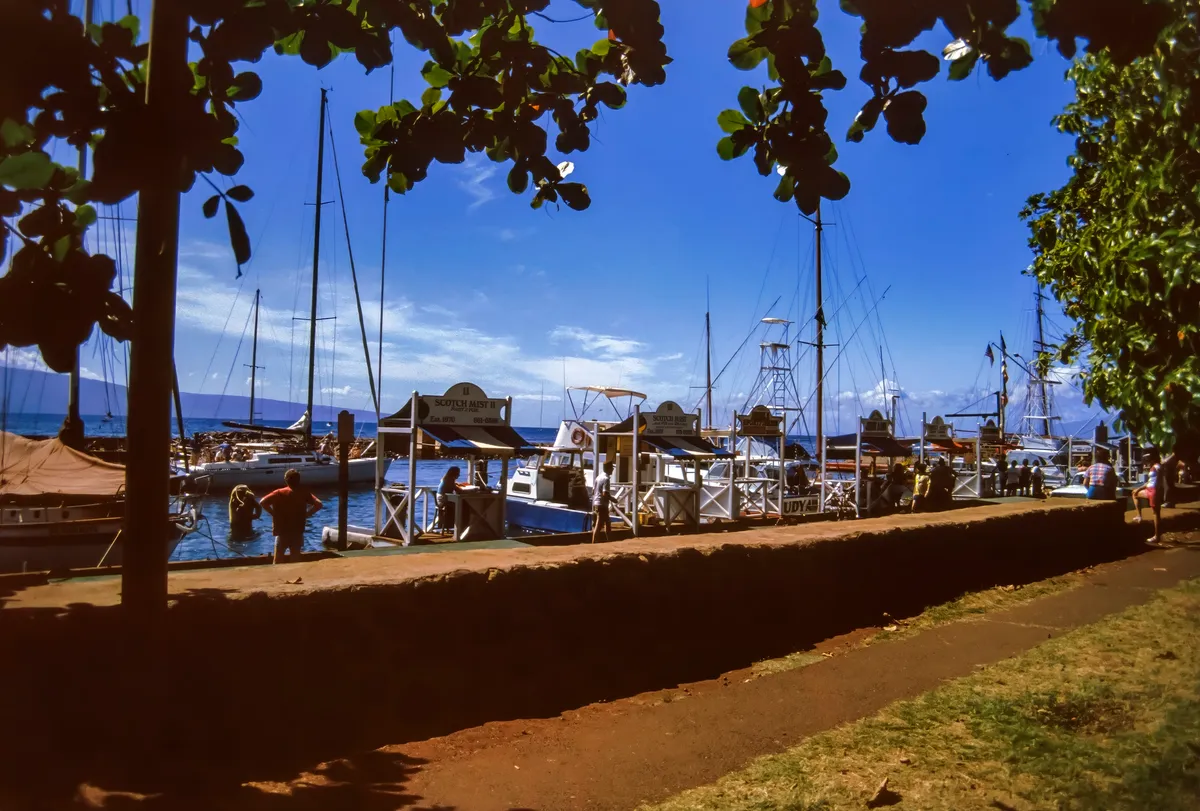
In August 1991, twelve chefs met on Maui and declared culinary independence for Hawaii
The Declaration of Culinary Independence
In August 1991, twelve chefs met on Maui with a shared vision: create a new American regional cuisine that celebrated Hawaiian ingredients and culture. They called it Hawai'i Regional Cuisine (HRC). Their mission had two parts:
🌱 Champion Local Resources
Build partnerships with farmers, ranchers, and fishermen. Source the freshest ingredients the islands offered. Create a supply chain for local ingredients in fine dining where none existed before.
🎨 Celebrate Cultural Fusion
Blend the diverse ethnic flavors already present in Hawai'i with sophisticated techniques. Create something uniquely Hawaiian and put it on the global food map by celebrating—not ignoring—its own identity.

Kailua E-Bike Kau Kau Adventure - Guided Scenic and Food Tour - Full Day
Offered by Active Oahu Tours — A top-rated e experience in Kailua. Free cancellation available. Book your spot today.
Book a Food Experience👨🍳 The Twelve Pioneers: Architects of Taste
Each chef brought something different to the movement. Their individual styles created a cuisine as diverse as the islands themselves. The twelve founders were Sam Choy, Roger Dikon, Mark Ellman, Amy Ferguson Ota, Beverly Gannon, Jean-Marie Josselin, George Mavrothalassitis, Peter Merriman, Philippe Padovani, Gary Strehl, Alan Wong, and Roy Yamaguchi.
Peter Merriman — Pied Piper of HRC
His philosophy: "Do the Right Thing!" — respecting the land, the producers, and the guests. He created the farm-to-table network from scratch, placing newspaper ads and driving to farms personally. His legendary Wok-Charred Ahi became an icon.
Roy Yamaguchi — HRC's Global Ambassador
"Hawaii Inspired, Internationally Influenced." First Hawaiian chef to win a James Beard Award in 1993. His expanding restaurant empire introduced the world to HRC flavors from California to Japan.
Alan Wong — The Intellectual Force
"When you get, give. When you learn, teach." Advocated reducing Hawai'i's 85% dependence on imported food. His restaurants became training grounds for future culinary leaders.
Sam Choy — Godfather of Poke
His multiethnic Chinese and German-Hawaiian heritage shaped his "Aloha Cuisine." Founded the annual Poke Festival in 1991, elevating the humble fisherman's snack into a celebrated icon.
Beverly Gannon — Upcountry Pioneer
"Eclectic American with Asian overtones" at Hali'imaile General Store. Built crucial relationships with local Maui farmers. Proved HRC could thrive in casual settings, not just formal restaurants.
Mark Ellman — The Innovator
Opened Avalon in 1988—the very first chef-owned restaurant that defined the HRC movement. Known for "Practice Aloha" and introducing towering tiki-style dishes and wok-fried whole snapper in black bean sauce.
🌺 Leilani's Insider Note
By the mid-1990s, HRC had fundamentally changed how people thought about Hawaiian food. It was no longer simple island fare—it was sophisticated, innovative cuisine competing with any regional American cooking. Food writers, critics, and tourism boards all took notice.
⭐ The New Guard: Modern Hawaiian Cuisine
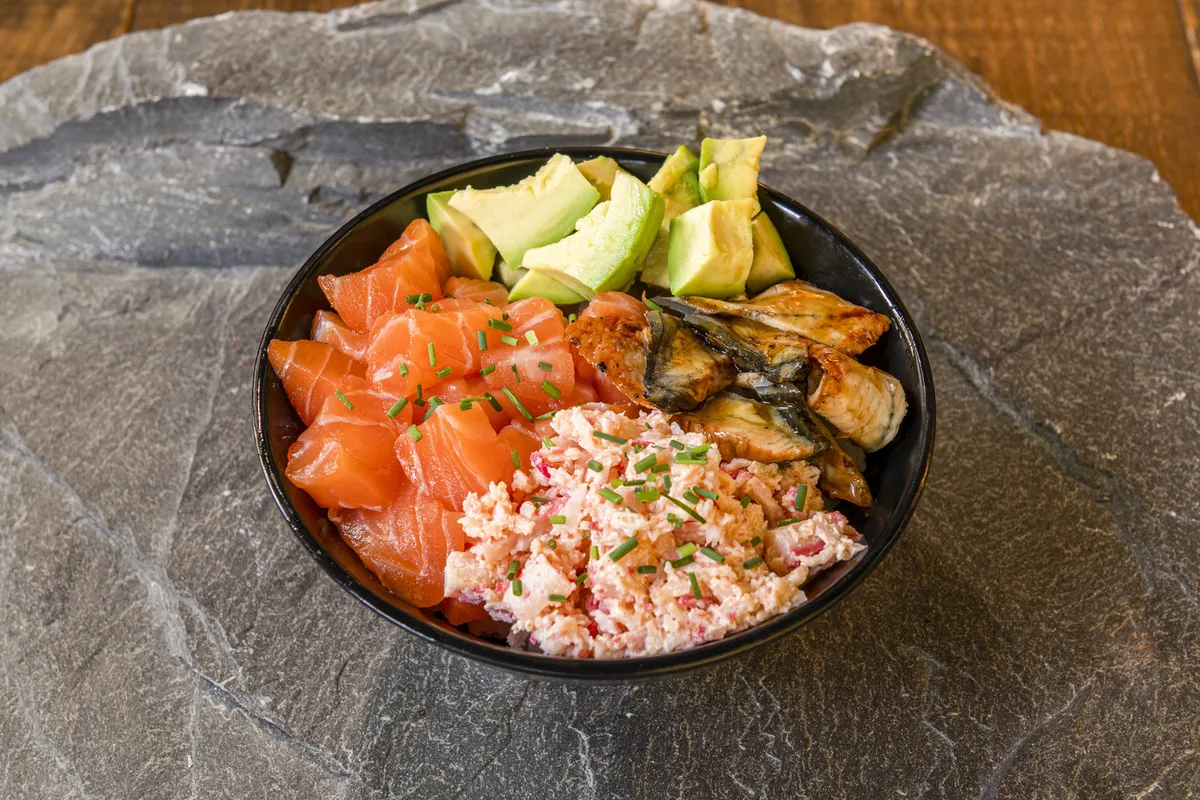
The 1991 revolution didn't end with its founders—it started a fire that burns brighter today. Today's chefs build on HRC foundations while pushing boundaries and telling new stories.
Today's Hawaiian cuisine balances deep cultural roots with world-class innovation
🍳 Sheldon Simeon
Two-time Top Chef finalist from Hilo. His restaurants Tin Roof and Lineage serve "Hawaiian comfort food" rooted in his Filipino heritage. Pork belly adobo with local vegetables. Filipino-style rice with island seafood. Each plate connects past and present.
🌱 Ed Kenney
"Local first, organic whenever possible, with aloha always." At Town and Mud Hen Water, he champions indigenous ingredients like 'ulu and kalo. Works directly with Hawaiian cultural practitioners to revive pre-contact foodways.
🍽️ Chris Kajioka
At Miro Kaimuki, he blends French and Japanese techniques with local ingredients, creating elegant cuisine that competes globally. His refined approach shows how HRC principles can reach the highest international cooking levels.
👫 Wade & Michelle Ueoka
Lead MW Restaurant as a husband-wife team. Wade, mentored by Alan Wong, creates dishes like Mochi-Crusted Kampachi. Michelle, a James Beard Award semi-finalist, crafts inventive desserts with haupia, lilikoi, and local chocolate.
Kailua E-Bike Kau Kau Adventure - Guided Scenic and Food Tour - Full Day
Offered by Active Oahu Tours — A top-rated e experience in Kailua. Free cancellation available. Book your spot today.
Book a Culinary Tour🌍 From Farm-to-Table to Zero-Waste
The HRC principle of local sourcing evolved into a critical sustainability movement. Hawai'i imports 85–90% of its food—a vulnerability exposed sharply during the pandemic. This reality gives the local food movement new urgency, reflecting the ancient Hawaiian principle of aloha 'āina—deep love and respect for the land.
✅ What Chefs Are Doing
- • Zero-waste kitchens using every part of ingredients
- • Direct partnerships with local farmers and fishermen
- • Reviving heritage crops and traditional plants
- • Sustainable aquaculture for kampachi and abalone
- • Community gardens connecting neighborhoods
🌱 Why It Matters
- • Food security for the islands' future
- • Supporting local farmers and producers
- • Preserving Hawaiian cultural traditions
- • Better nutrition and fresher ingredients
- • Protecting the 'āina for future generations
Experience sustainable Hawaii
Book a Farm-to-Table Experience
Meet the farmers, taste ingredients at the source, and understand the philosophy behind modern Hawaiian cuisine.
🎉 Culinary Festivals: A Taste of the Islands
The HRC legacy can be experienced through world-class festivals across the islands. These events bring together local producers, celebrity chefs, and food lovers from around the globe.
| Festival | Island | Season | Highlight |
|---|---|---|---|
| 🍷 Hawai'i Food & Wine Festival | Multi-island | Fall | 150+ international chefs |
| 🍾 Kapalua Wine & Food Festival | Maui | Summer | America's longest-running food festival |
| ☕ Kona Coffee Cultural Festival | Big Island | November | 10 days, farm tours, cupping competition |
| 🧅 Maui Onion Festival | Maui | Spring | Chef demos, recipe contests, tastings |
Each Island's Culinary Personality
📍 O'ahu
Most diverse food scene. Honolulu restaurants from HRC pioneers, North Shore garlic shrimp, Chinatown Asian markets, and Kaimuki's buzzing restaurant row.
📍 Maui
Upscale resort dining to rustic upcountry charm. Famous banana bread roadside stands, Kula farms with goat cheese tastings, and Upcountry wine.
📍 Kaua'i
The Garden Island overflows with fresh local produce. Farmers' markets packed with tropical fruits, casual poke joints, and family-run plate lunch spots.
📍 Big Island
Where HRC started. Peter Merriman's original Waimea restaurant, the Kona coffee belt, Hilo's famous mochi and shave ice, and world-renowned Kohala Coast restaurants.
🗺️ Your O'ahu Culinary Adventure
To truly appreciate O'ahu's food culture, you need to experience its history, embrace adventure, and savor incredible meals. This one-day itinerary connects pivotal moments of the past with today's thriving culinary scene.
O'ahu's diverse food landscape spans historic Chinatown, North Shore shrimp trucks, and world-class fine dining
Morning
Pearl Harbor History
Start at Pearl Harbor—the December 7, 1941 attack changed everything, including Hawai'i's food landscape. Military influx made Spam a dietary staple. Local culture transformed these necessities into beloved foods like Spam musubi. Plan 3–4 hours.
Afternoon
Coral Crater Adventure
After morning reflection, embrace the island's adventurous spirit at Coral Crater Adventure Park. Zipline through jungle canopy, ATV crater trails, or the Adventure Tower. Work up an appetite worthy of a Hawaiian feast.
Evening
HRC Legacy Dining
Cap your day with dinner embodying the revolution. Roy's Waikiki for the original master's "Hawaii Inspired, Internationally Influenced" cuisine. MW Restaurant for Wade and Michelle Ueoka's refined creations. Or Mud Hen Water for Ed Kenney's deep local sourcing commitment.
Extended O'ahu Food Experiences
Not Ready to Book Yet?
Get Leilani's Free O'ahu Culinary Itinerary
A full 3-day O'ahu food guide — best local restaurants, farmers' markets, food tours, and insider tips on timing and what to order. No fluff, just what works.
No spam. Unsubscribe anytime.
Skip the planning headaches
Let a Local Expert Handle Everything
Hotel pickup, guided tastings, cultural context, and the best local spots. No logistics headaches.
Instant confirmation · Secure booking · Best price guarantee
Taste the Soul of Hawaii the Right Way
Join a culinary experience led by local Hawaiian experts. Explore markets, taste iconic dishes, learn the history behind the food, and understand what makes Hawaiian cuisine unlike anything else in the world.
Instant confirmation · Secure booking · Best price guarantee
Common Questions
Frequently Asked Questions
What exactly is Hawaiian Regional Cuisine?
Hawaiian Regional Cuisine (HRC) is a culinary movement founded in August 1991 by twelve prominent chefs who met on Maui. Their goal was to create a new American regional cuisine celebrating local Hawaiian ingredients and the islands' diverse cultural heritage.
HRC is defined by two core principles: championing local resources (sourcing directly from local farmers, ranchers, and fishermen) and celebrating cultural fusion (blending Hawaii's diverse ethnic flavors with sophisticated culinary techniques).
What are the must-try Hawaiian foods for first-time visitors?
Start with the classics that tell Hawaii's food story. These dishes span every era from ancient traditions to modern innovation:
Ancient & Traditional
- • Poi — pounded taro, Hawaii's sacred staple
- • Kālua pig — smoky underground earth oven pork
- • Poke — fresh raw fish with sea salt and seaweed
- • Lomi salmon — salt-cured salmon with tomato and onion
Local Food Classics
- • Plate lunch — two scoops rice, mac salad, entrée
- • Saimin — Hawaii's unique noodle soup
- • Spam musubi — iconic WWII-era rice snack
- • Malasadas — Portuguese sugar donuts
For the HRC fine dining experience, book at Roy's, MW Restaurant, or Mud Hen Water in Honolulu for dishes that showcase modern Hawaiian cuisine at its best.
Don't just read about it — taste it
Book an Authentic Hawaii Food Tour
Local guides · Cultural context · Memorable flavors
Are there vegetarian or vegan Hawaiian food options?
Yes—more than you might expect. Ancient Hawaiian cuisine was largely plant-based, centered on kalo (taro), breadfruit, sweet potatoes, and seaweed. Modern chefs have built on this foundation beautifully.
Traditional Plant-Based
Poi (taro), haupia (coconut pudding), 'ulu (breadfruit) preparations, and limu (seaweed) dishes are all naturally vegan and deeply rooted in Hawaiian tradition.
Modern Vegetable-Forward Dining
Chefs like Ed Kenney (Mud Hen Water) and Robynne Maii focus on vegetable-forward menus using indigenous and heritage Hawaiian plants. Taro gnocchi, 'ulu flatbread, and creative lilikoi preparations are common.
When is the best time to visit for culinary experiences?
Hawaii's food scene is excellent year-round, but certain seasons offer unique culinary highlights:
| Season | Months | Culinary Highlights |
|---|---|---|
| ☀️ Spring | Mar – May | Maui Onion Festival, fresh produce peak |
| 🌺 Summer | Jun – Aug | Kapalua Food & Wine Festival, outdoor markets |
| 🍂 Fall | Sep – Nov | Hawaii Food & Wine Festival, Kona Coffee Festival |
| ❄️ Winter | Dec – Feb | Less crowded restaurants, holiday local traditions |
Leilani's recommendation: Fall is the best overall time. The Hawaii Food & Wine Festival in October/November draws over 150 internationally renowned chefs, and the Kona Coffee Festival in November is the island's most beloved culinary celebration.
Keep Exploring
More Hawaii Culinary & Eco Guides
Culinary
All Culinary Experiences
Food tours, cooking classes, and dining guides across all islands.
Read Guide →Regional Cuisine
Hawaiian Regional Cuisine
The definitive guide to Hawaii's most celebrated culinary movement.
Read Guide →Eco Tourism
Hawaii Eco-Tourism Guide
Sustainable adventures, nature tours, and conservation experiences.
Read Guide →Farm Tours
Farm & Ag Tours in Hawaii
Coffee plantations, taro farms, and sustainable agriculture experiences.
Read Guide →Farmers Markets
Hawaii Farmers' Markets
The best local markets across O'ahu, Maui, Kaua'i, and the Big Island.
Read Guide →Family Fun
Family Tours in Hawaii
Kid-friendly tours and activities the whole family will love.
Read Guide →