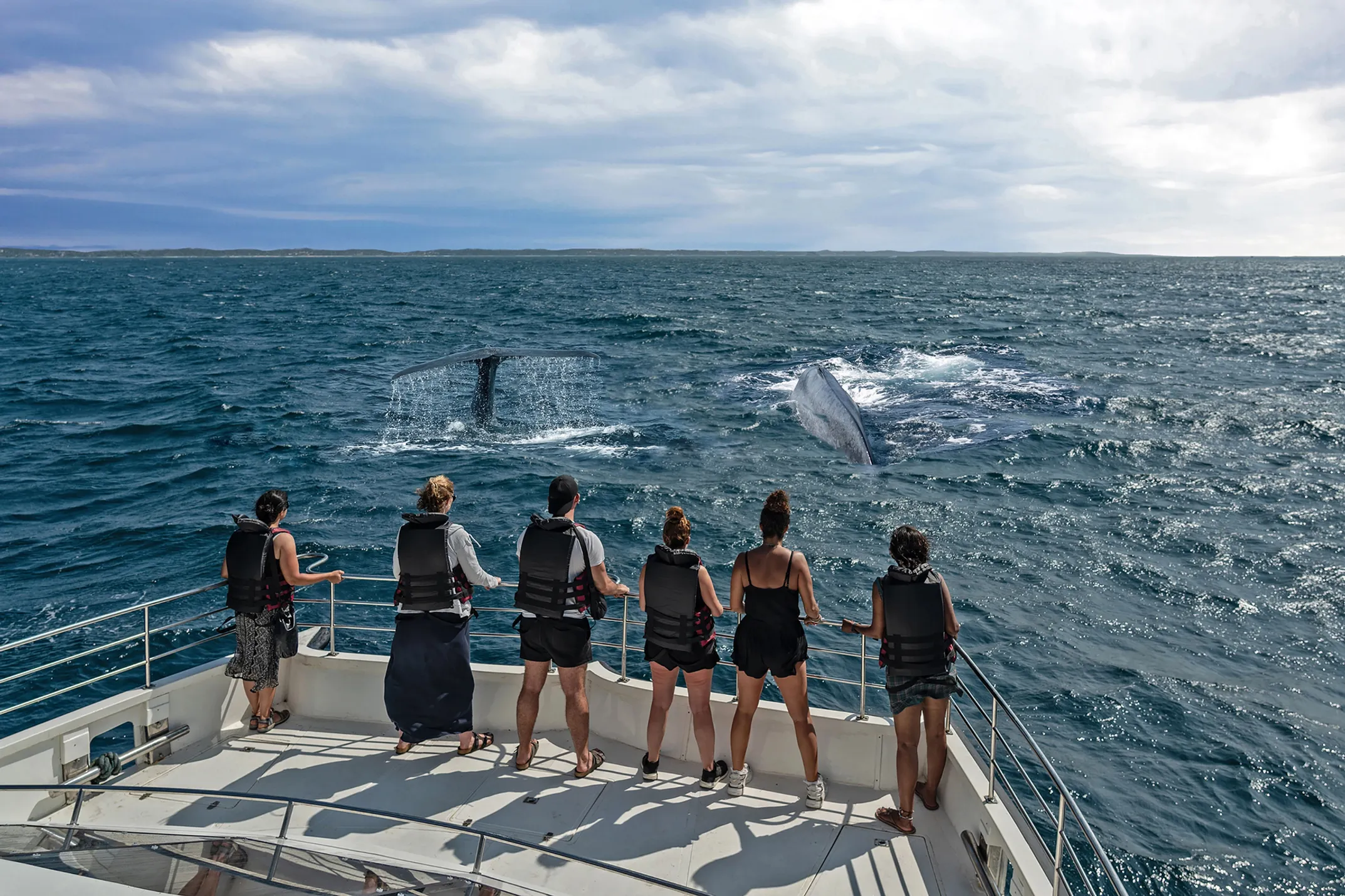
Planning Your Trip: The Big Island Whale Season
Timing is everything - discover the best months to witness spectacular whale activity

Written by a Local Expert
Kalani MillerPlanning Your Trip: The Big Island Whale Season
A common mistake I see visitors make is thinking that just because it's "whale season," any day from December to April is the same. That's like saying all of summer is the same temperature. The experience changes dramatically from the first arrivals to the peak of the "whale soup" in February, to the last goodbyes in April. Timing is everything.
The official season runs from late November or early December through April, with a few stragglers sometimes seen in May. However, to give yourself the absolute best chance of witnessing the most spectacular activity, you should plan your visit during the peak season, from January through March. This is when the whale population is at its highest density, and surface behaviors are most frequent.
As for the best time of day, my years on the water have consistently shown that early mornings are best. The ocean is typically calmer, making it much easier to spot the tell-tale blows and splashes on the horizon. The whales themselves also tend to be more active during the morning hours.
Month-by-Month Whale Activity Forecast
🌅 November – December: Low to Moderate Activity
The Overture
The first arrivals are in. These are often the mature males and females without new calves. Sightings are a special treat but not guaranteed on every trip. The feeling is one of anticipation, of a great gathering about to begin.
⭐ January – February: PEAK SEASON (High Activity)
The Festival
This is what we call 'whale soup.' The Kohala Coast is alive with the highest density of whales. Expect frequent, spectacular surface activity: powerful competition pods of males vying for females, breathtaking breaches, and the most tender moments between mothers and their newborn calves. This is the absolute best time to go.
🎉 March: High to Moderate Activity
The Grand Finale
The action is still fantastic, with plenty of activity. You'll notice the calves are bigger, more energetic, and more playful as they build strength for the long journey north. It's a month of celebration and preparation for departure.
👋 April – May: Moderate to Low Activity
The Last Aloha
The last of the whales are heading back to Alaska. You can still catch some beautiful sightings, especially in early April, but they become less common as the month progresses. The waters grow quieter, and we bid them farewell until next year.
Pro Tip: Book your tours well in advance for January and February dates. These peak months fill up quickly, especially for the most reputable operators. Early morning tours (departing at sunrise) offer the calmest seas and most active whales.
Continue Your Whale Watching Journey
Explore our complete guide to Big Island whale watching
ℹ️ Quick Info
- Best Season: Jan-Mar
- Tour Duration: 2-4 hours
- Legal Distance: 100 yards
- Group Size: Varies by boat
⭐ Best Time
Peak whale activity occurs from January through March.
Book early morning tours for the calmest seas and most active whales.