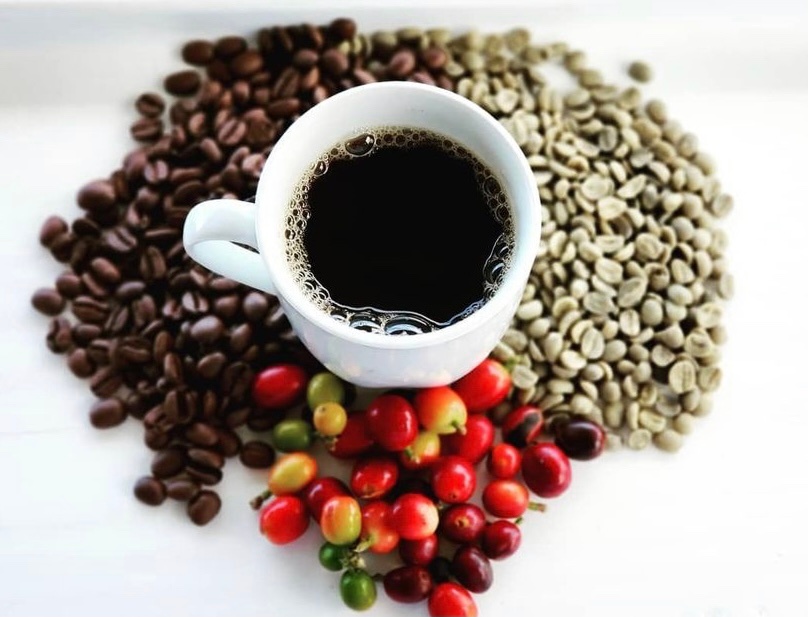
“Brew Your Best Cup”- Coffee Brewing Workshop
Heavenly Hawaiian Coffee Farm • Farm • Holualoa, Island of Hawaii • Hawaii
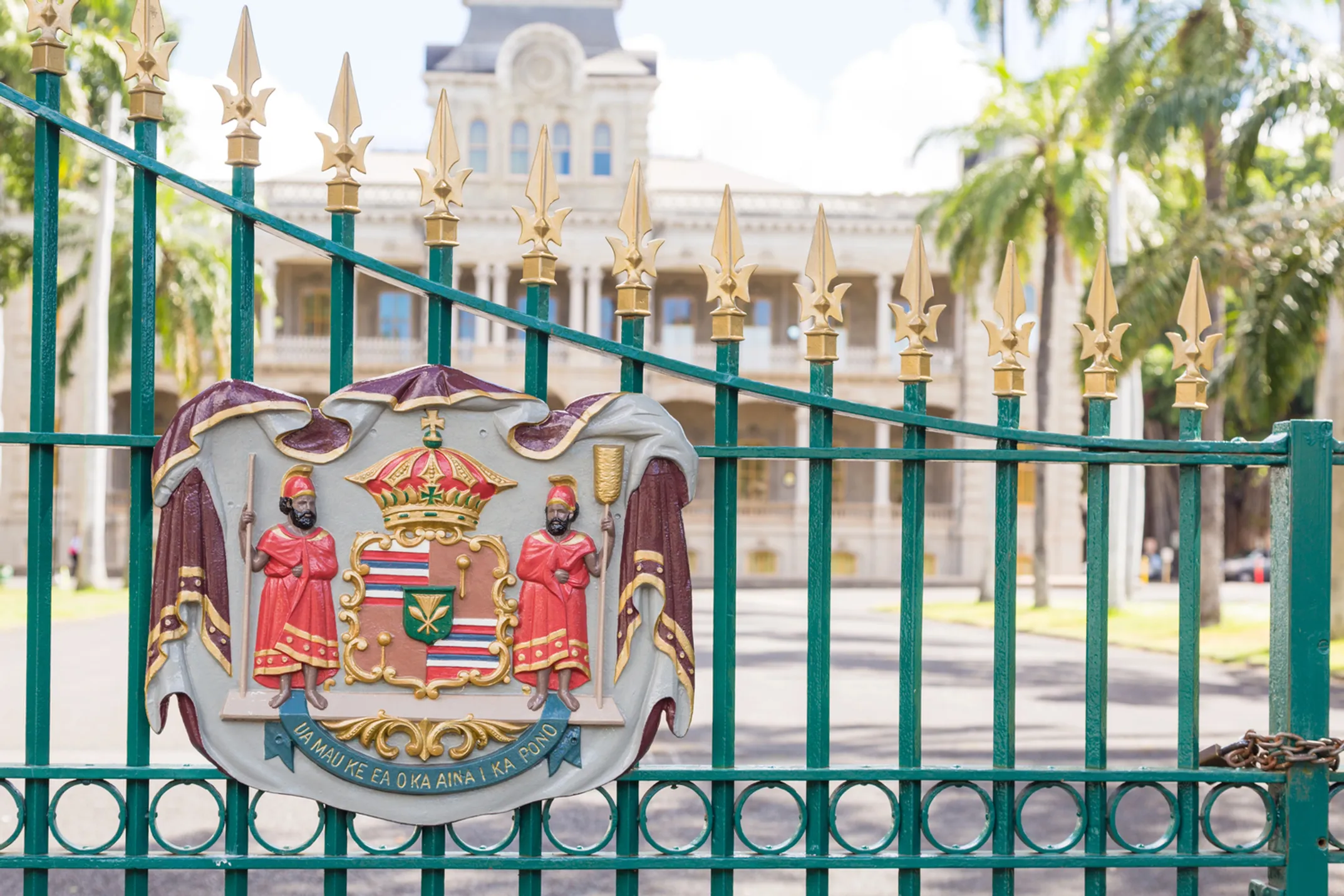
Royalty and Legacy - Kona's Cultural Heartland
Written by a Cultural Historian
Kalani MillerOn the sunny, western side of the island, the stories shift from the raw power of nature to the intricate tapestry of human history and culture. Here, where the lava flows meet the sea in dramatic displays of creation, where coffee grows on volcanic slopes, where ancient temples stand guard over royal grounds, the museums and historic sites of Kona take you through the evolution of Hawaiian society.
This journey begins in a time governed by ancient spiritual laws. It moves into the opulent and complex world of the Hawaiian monarchy as it navigated a changing world. The west side has always been different from the east. While Hilo gets hundreds of inches of rain each year, Kona basks in sunshine. This isn't just a weather difference. It's a cultural one. The west side was always the domain of chiefs and kings, the place where power concentrated.
Following this path, you don't just see historic sites. You witness the chronological unfolding of Kona's soul, from ancient spiritual practices to royal retreats and agricultural innovations.
Long before the palaces and plantations, life in Hawaiʻi was governed by a complex system of sacred laws known as kapu. These weren't simple rules or regulations. They were spiritual commandments that governed every aspect of daily life. Breaking kapu wasn't just illegal. It was a spiritual offense that endangered not just the individual, but the entire community.
To understand the foundation of our ancient society, you must visit Puʻuhonua o Hōnaunau. This beautifully restored 180-acre national historical park is not a museum in the traditional sense. It is a sacred space that transports you back to a time of gods, chiefs, and profound spiritual reverence. Walking these grounds, you can almost feel the weight of centuries, the accumulated mana of countless ceremonies and rituals.
The concept of the puʻuhonua is central to understanding ancient Hawaiian law and order. It was a place of refuge. A sanctuary. The kapu system could be harsh and unforgiving, but it also provided for mercy, for second chances, for redemption. If a person broke a kapu—an act punishable by death—their only chance for survival was to evade their pursuers and reach the boundaries of the puʻuhonua.
The journey to reach the sanctuary was often harrowing. Imagine running for your life across miles of rough lava rock, knowing that if you were caught, you would be killed immediately. No trial, no appeal, no explanation. The kapu system was absolute. But if you could reach the puʻuhonua, if you could cross that sacred boundary, everything changed.
The best way to experience the park is by taking the half-mile self-guided walking tour through the grounds. The path first leads you through the Royal Grounds, which were the home of the ruling chiefs of Kona. Then, you pass the Great Wall. This massive, L-shaped wall, standing up to 12 feet high and 18 feet thick and constructed of lava rock without any mortar, separates the Royal Grounds from the sacred refuge.
Crossing this boundary, you enter the puʻuhonua itself. The feeling is immediate and profound. There's a sense of peace here, of sanctuary, that goes beyond the physical beauty of the place. You're walking on ground that has provided safety for countless people over hundreds of years. The very stones beneath your feet have witnessed redemption, forgiveness, second chances.
Within the sacred grounds, you will find the reconstructed Hale o Keawe, a temple that once held the bones of 23 aliʻi. In Hawaiian belief, the bones of powerful chiefs retained their mana even after death. Standing guard around the temple are fierce-looking wooden carvings known as kiʻi. These powerful images represent the gods and serve as the spiritual protectors of this sacred place. Each kiʻi represents a different aspect of divine power—some are images of Kū, the god of war and strength, others represent Lono, the god of peace and fertility.
In the heart of historic Kailua-Kona, overlooking the sparkling bay where outrigger canoes still launch each morning, stands Huliheʻe Palace. A place where you can step directly into the world of the aliʻi. This graceful building was not a seat of government like ʻIolani Palace on Oʻahu. It was a cherished summer vacation home for Hawaiian royalty. A place for rest, social gatherings, and political retreat.
The palace's architecture tells a story in itself. It was originally built in 1838 by High Chief John Adams Kuakini, the governor of Hawaiʻi Island. He used native lava rock, coral mortar, and local timbers. The building was substantial but simple, designed to withstand the earthquakes and weather that are part of life on an active volcanic island.
Decades later, in 1885, King David Kalākaua had the exterior plastered over to give it the refined, Victorian appearance that was fashionable at the time. This physical transformation from rugged lava to smooth plaster perfectly mirrors the cultural shifts the Hawaiian monarchy was navigating in the late 19th century.
The stories of the royals who lived and vacationed here are fascinating. The palace was inherited by Princess Ruth Keʻelikōlani, a formidable and beloved figure who was a staunch defender of Hawaiian language and traditions. She stood over six feet tall, weighed nearly 400 pounds, and commanded respect wherever she went. In a powerful statement of her identity, she famously preferred to live and sleep in a traditional hale pili on the palace grounds rather than in the grand Western-style building itself.
Princess Ruth's choice was deeply symbolic. She owned this magnificent palace, with its imported furniture and modern conveniences, but she chose to sleep in a simple grass house. She was fluent in English but often refused to speak it in public, insisting on conducting business in Hawaiian. In every choice she made, she asserted the value and validity of Hawaiian culture.
Inside, the six graciously appointed rooms are filled with treasures that speak to this blend of cultures. You will find magnificent koa wood furniture, including a stunning table inlaid with 25 different kinds of native woods. The craftsmanship is extraordinary, representing the highest level of Hawaiian woodworking skill.
There are European antiques collected on royal trips abroad. Crystal chandeliers from Austria, silver service from England, paintings and sculptures from across Europe. The collection also includes priceless Hawaiian artifacts, from intricate featherwork and traditional kapa to several of Kamehameha the Great's imposing war spears.
Walking through Huliheʻe Palace feels like stepping into a conversation between two worlds. You see elegant four-poster beds and imported ornaments right beside powerful, ancestral artifacts of ancient Hawaiʻi.
Our historical journey through Kona concludes with the story of its modern identity. An identity deeply rooted in the rich, dark soil of the volcanic slopes and the dreams of people who came here seeking better lives. The Kona Coffee Living History Farm tells the story of the world-famous Kona coffee industry through the lives of the people who built it: the Japanese immigrant families.
This is not a static museum but the only living history coffee farm in the nation. It offers an immersive and sensory experience of the past. When you visit, you're not just looking at exhibits or reading placards. You're stepping into a working farm as it existed nearly a century ago, complete with the sounds, smells, and rhythms of daily life.
The farm, originally homesteaded by the Uchida family, brings the period of 1920 to 1945 to life. Costumed interpreters go about the daily tasks of early 20th-century life. They cook over wood fires, tend the coffee trees, care for the animals, preserve food for the long term. You can step back in time not just intellectually, but with all your senses.
The story of the Uchida family is representative of thousands of Japanese immigrants who, after completing grueling contracts on sugar plantations, chose a life of independence by leasing small plots of land to cultivate coffee. Their perseverance and hard work—their spirit of gambare—formed the backbone of the Kona coffee industry. Gambare is a Japanese concept that means to endure, to persist, to never give up no matter how difficult things become.
A visit here engages all the senses. You can stroll through the coffee trees, their branches heavy with cherries at harvest time. You might find a homemaker cooking rice over a traditional open-hearth stove or making musubi for a farmer's lunch. You'll also see the historic tools of the trade. The kuriba, a hand-cranked coffee processing mill. The hoshidana, a drying platform with a moveable roof to protect the beans from rain showers.
This place is so special to me because it tells the story of my own grandparents' generation. These families didn't just survive. They thrived. They sent their children to college, built communities, created businesses that still exist today. When you visit, you're not just getting a history lesson. You're hearing the "talk story" of real families who shaped this land.
Heavenly Hawaiian Coffee Farm • Farm • Holualoa, Island of Hawaii • Hawaii

