
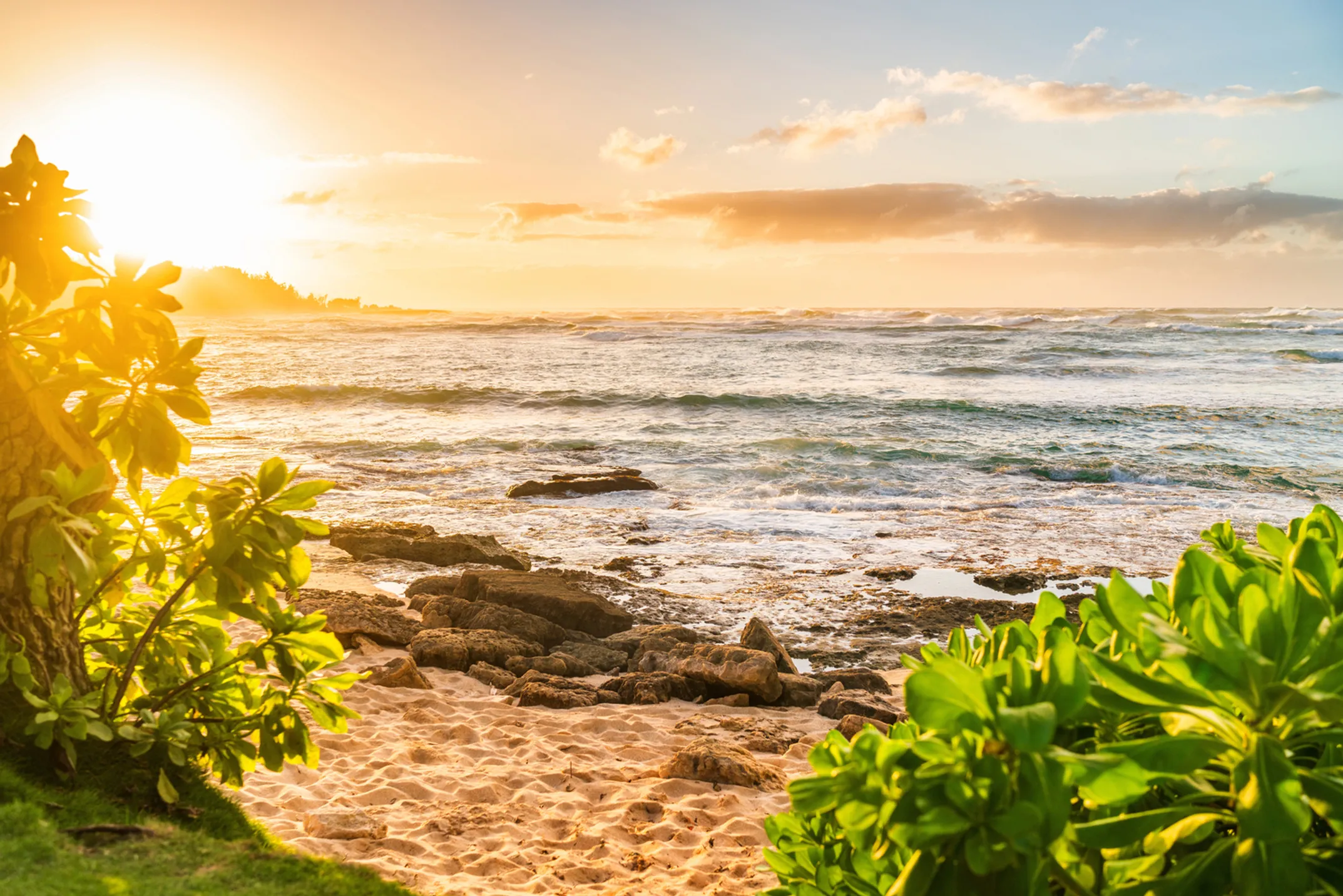
Your Ultimate Pinetrees Surf Experience
Master the Breaks, Understand the Conditions, Respect the Culture
Written by a Local Expert
Kalani MillerFor decades, Pinetrees has been a cornerstone of the Kona surf scene. It's a place where you can find local legends sharing the lineup with the next generation of groms (young surfers). The beauty of Kohanaiki is its consistency and variety. It's a quite exposed reef break that works year-round, offering waves for a wide range of skill levels.
The surf culture here runs deep. I've watched keiki learn to surf in the gentle waves of "The Bay" and then graduate to the more challenging main peak as they gained experience and confidence. I've seen visiting pros drop in for sessions during contests on the other side of the island. I've witnessed sunrise sessions where the only sounds were the crack of waves on reef and the occasional whoop of joy from a surfer who just scored the wave of their trip.
Kohanaiki isn't just one wave. It's a collection of breaks spread along its mile-long shoreline. Knowing where to paddle out is key to having a great session. Each break has its own personality, its own moods, and its own rewards for those who take the time to understand it.
Reading the Lineup: The Breaks of Kohanaiki
The Main Event: Pinetrees Peak
The primary break, often just called "Pinetrees," is an exposed reef that serves up both powerful rights and fantastic, peeling lefts. This is the most consistent spot in the park and is best suited for intermediate to advanced surfers. It truly comes alive during the winter months on a classic West-Northwest swell, especially when the winds are blowing offshore from the East, grooming the wave faces into clean, rideable walls.
When Pinetrees is firing, it's truly world-class. The rights can offer long, workable walls that allow for multiple turns and cutbacks. The lefts tend to be shorter but often more powerful, providing that classic Hawaiian pocket ride that tests your ability to handle serious horsepower. On the best days, when everything aligns, you can catch waves here that rival any break in the world.
The reef structure here is complex, with multiple takeoff zones depending on the swell direction and size. On smaller days, the wave tends to break closer to shore in shallower water. As the swell increases, the takeoff zone moves further outside to deeper reef sections. Understanding these subtle shifts is what separates locals from visitors and allows you to position yourself for the best waves.
The Nursery: "The Bay"
If you're newer to surfing or just looking for a more mellow session, head to the far south end of the park road. There you'll find a break the locals call "The Bay." This spot is directly across from the main bathroom facilities and is where you'll see families and kids learning to surf.
The Bay offers a completely different experience from the main peak. The waves here are generally smaller, more predictable, and break over a mix of reef and sand. The takeoff is less critical, giving beginning and intermediate surfers more time to get to their feet and find their balance. The rides tend to be shorter but more forgiving, perfect for building confidence and working on basic techniques.
The wave is gentler and breaks over a shallower reef, making it more forgiving. It's important to know that commercial surf lessons aren't offered here, so it's best for surfers who already have some basic experience and are comfortable in the water on their own. This isn't a place for absolute beginners to attempt their first waves, but it's perfect for those who have had a few lessons elsewhere and are ready to practice on their own.
⚠️ Critical Safety Note
The reef here is very shallow. Avoid putting your feet down at all costs to prevent getting cut. Even in the mellow waves of The Bay, the reef can be unforgiving to bare feet. Reef cuts heal slowly and can easily become infected in the tropical environment.
Demystifying "The Bowl"
You'll hear the term "The Bowl" a lot in Hawaiian surfing. While there's a legendary, heavy wave called The Bowl in Hanalei Bay on Kauaʻi, here at Pinetrees, the term has a more specific meaning. When we talk about "the bowl," we're referring to the steepest, most critical, bowl-shaped section of the wave right at the takeoff zone of the main peak.
The Bowl is where the wave draws up steepest before breaking. It's the power source, the pocket where the wave is most hollow and challenging. Hitting the bowl correctly is the key to setting up a great ride. Drop in too early, and you'll get caught behind the section. Drop in too late, and the wave will close out on you. But nail the timing, and you'll find yourself in that sweet spot where the wave throws over your head, creating a temporary barrel or tube.
🌊 Pinetrees (Main Peak)
- Type: Exposed Reef Break
- Best: WNW Swell with E Wind
- Level: Intermediate to Advanced
- Hazards: Sharp reef, crowds, strong currents
🏄 The Bay (South End)
- Type: Reef and Sand bottom
- Best: Smaller swells, all tides
- Level: Beginner to Intermediate
- Hazards: Shallow reef, sea urchins
The Unwritten Rules: Surf Etiquette at a Cherished Local Spot
More than anywhere else, surfing in Hawaiʻi is about respect. The rules of the lineup are about safety, but they're also about aloha and showing respect for the kūpuna (elders) and locals who call this break home. If you're visiting, understanding this etiquette is non-negotiable.
First, the universal rules apply. The surfer closest to the peak (the breaking part of the wave) has the right of way. Never, ever "drop in" on a wave that someone else is already up and riding. When you paddle back out to the lineup, do so through the channel—the deeper area where the waves aren't breaking—to stay out of the way of surfers on a wave.
🤙 Shaun Tomson's Golden Rule
"If you're new to a spot, sit wide and watch for a while. Figure out where the takeoff spot is, see who the locals are, and wait your turn." Don't paddle straight to the peak and hustle for waves. Be patient. A smile and a respectful nod go much further than aggression.
The concept of "earning your waves" is particularly important at local spots like Pinetrees. This doesn't mean you have to live here to surf here, but it does mean showing that you understand and respect the culture of the place. Watch the rhythm of the lineup. Notice how local surfers interact with each other. Observe the subtle communications and hierarchies that exist in any established surf community.
Eventually, a wave will come to you. That's how you earn your place. Patience isn't just about being polite. It's about understanding that the ocean provides for everyone, but in its own time and its own way. Rush the process, and you'll find yourself either shut out completely or dealing with unpleasant confrontations that could easily have been avoided.
Explore the Complete Kohanaiki Guide
From ancient Hawaiian history to world-class surf breaks, camping permits, and turtle watching—discover everything about this sacred place.
🌊 Ideal Conditions
- Best Swell: WNW 6-12ft
- Wind: East offshore
- Season: Oct - March
- Tide: All tides work
📖 Complete Guide
⚠️ Surf Safety
- Sharp reef - never touch bottom
- Strong rip currents
- Sea urchins in crevices
- No lifeguards on duty
📱 Check Conditions
📧 Surf Reports
Get weekly surf forecasts and local insider tips.

