
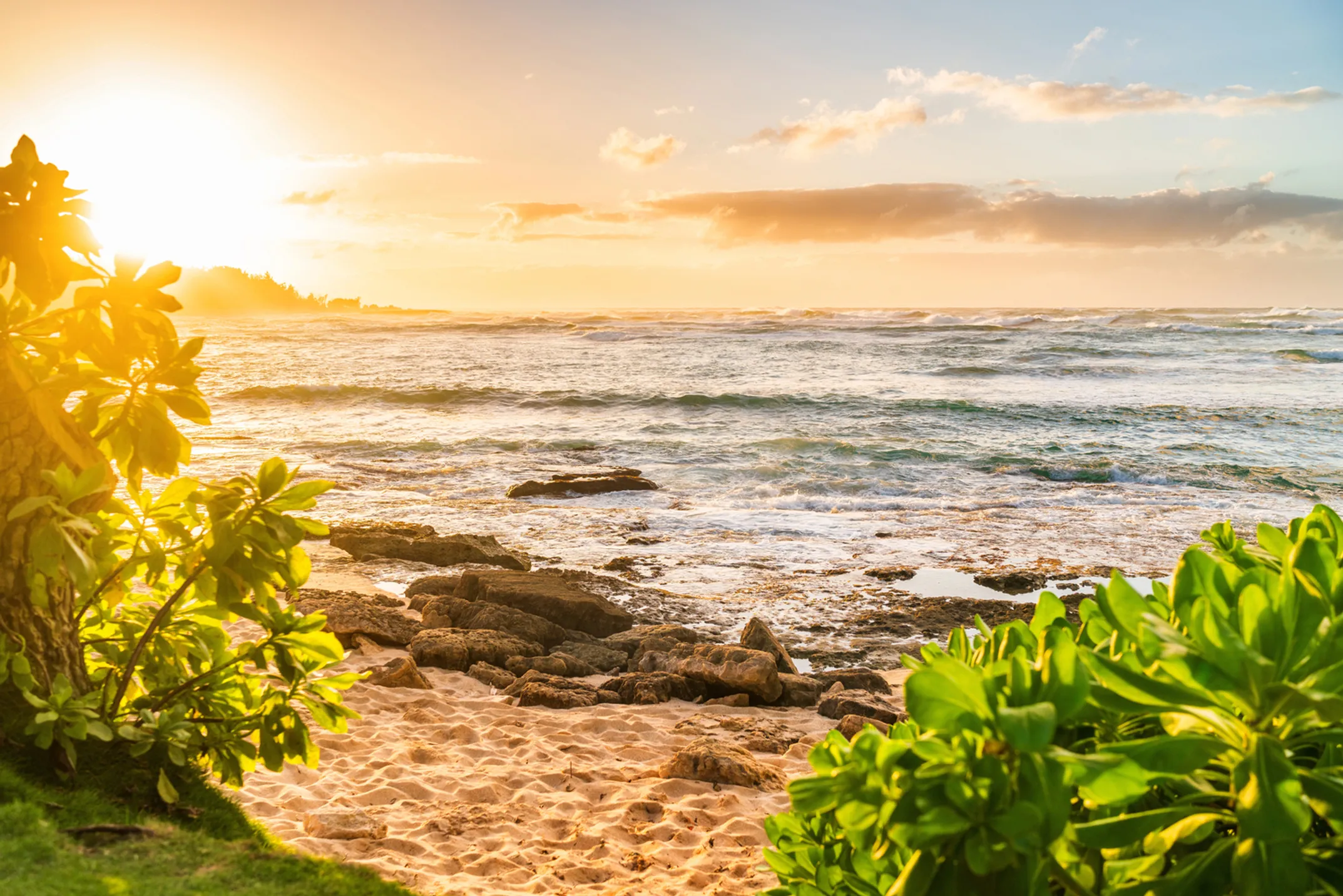
Kohanaiki County Beach Park: Kona's Pinetrees
The Surf, Soul, and Secrets of a Local Treasure
Written by a Local Expert
Kalani MillerI remember one morning, the air was still cool and salty. I had my board under my arm, but I just stood there for a minute, watching the light catch the spray off the first set. A honu, a Hawaiian green sea turtle, surfaced just beyond the break, silent and ancient, and took a breath. In that moment, it wasn't just a surf spot. It was everything. That's the magic of Kohanaiki, or Pinetrees, as we call it. It's more than a park. It's a piece of our soul, a place we fought for, and a place I want to share with you—the right way.
Seeing the ocean every day makes me feel calm and centered, and there's no place I feel that more deeply than here. This stretch of the Kona coast is a cherished community treasure, a place where the raw energy of the waves meets the deep, quiet history of the land. It's where we come to surf, to fish, to camp under the stars, and to connect with the ʻāina (land) that sustains us.
This guide is my invitation to you to experience Kohanaiki not just as a visitor, but as a guest. We'll dive deep into the world-class surf breaks, explore the rich cultural history etched into the lava rock, and I'll give you the complete local's playbook for planning your visit, from watching the turtles responsibly to securing a coveted camping permit.
When I was growing up in Hanalei, my papa would tell me stories about the old days when families would travel from ahupuaʻa to ahupuaʻa, following the ancient trails that connected the islands' communities. The Ala Kahakai was one of those sacred pathways, and here at Kohanaiki, you can still feel the mana of those who walked before us. Every time I paddle out at Pinetrees, I'm reminded that we're not just riding waves. We're participating in something much older and deeper.
The Soul of Kohanaiki: A Story of Kuleana, Community, and Preservation
To truly understand Kohanaiki, you have to know its story. This isn't just a park that appeared one day. It's a testament to the power of community, a living monument to a fight that protected a precious piece of our coastline for generations to come. It's a story of kuleana—a uniquely Hawaiian concept that means both privilege and responsibility.
The word kuleana carries weight in Hawaiian culture. It's about more than just rights or duties. It's about understanding your place in the web of relationships that connect people, land, and sea. When you visit Kohanaiki, you're entering a place where kuleana runs deep, where every decision made by those who came before was guided by this principle of balanced responsibility.
Before the Park: Ancient Footprints on Volcanic Rock
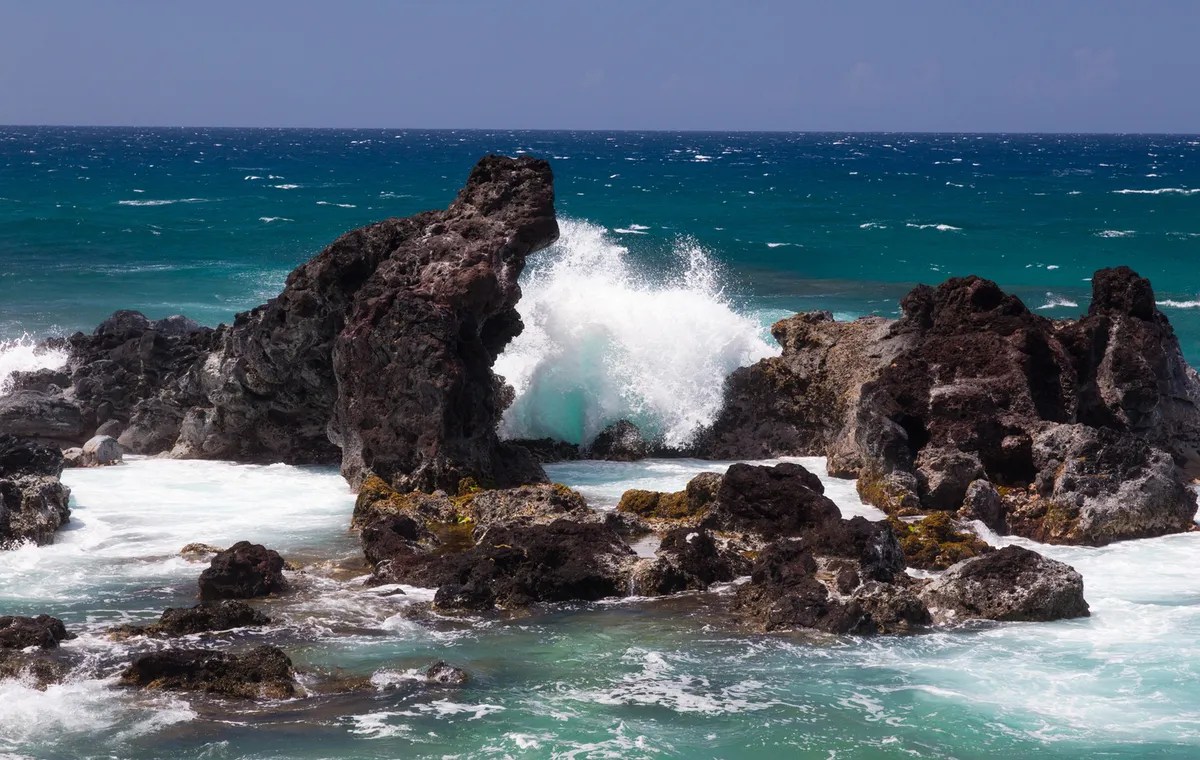
The name "Kohanaiki" translates to "small barrenness." At first glance, you might see why. The landscape is a dramatic tapestry of black lava rock and hardy coastal plants. But this "barren" land was, and still is, incredibly rich with life and history. For ancient Hawaiians, this was a vital coastal hub. It was the makai (seaward) portion of an ahupuaʻa, a traditional land division that ran from the mountains to the sea, creating a sustainable system of shared resources between the communities on the slopes of Hualalai and those along the shore.
The ahupuaʻa system was brilliant in its simplicity and sustainability. Families living in the upland forests would share their kalo (taro) and sweet potato with coastal families, who in return provided salt, fish, and limu (seaweed). This wasn't just trade. It was ʻohana, family connections that bound communities together across diverse ecosystems. Kohanaiki was where these connections came to life, where canoes launched to carry not just goods but stories, songs, and traditions.
The evidence of this thriving past is everywhere, if you know where to look. Archaeologists have identified over 105 sites here, with 18 deemed so significant they required preservation. As you walk, you are treading near ancient petroglyphs, sacred shrines, the foundations of a canoe house, and a donkey corral from a later era. This coastline was a center of sophisticated aquaculture, with ancient fishponds like ʻAnaehoʻomalu and Kalahuipuaʻa providing a sustainable food source for the population.
🏛️ 105 Archaeological Sites
Ancient petroglyphs, sacred shrines, canoe house foundations, and fishpond systems representing over 1,000 years of Hawaiian history.
🌊 Traditional Ahupuaʻa
Part of a sustainable land division system connecting mountain communities with coastal families through trade and ʻohana bonds.
The fishpond system here was particularly advanced. These weren't simple enclosures but carefully engineered ecosystems. Stone walls were built with specific gaps that allowed juvenile fish to enter but prevented mature fish from leaving. The ponds were managed with traditional knowledge passed down through generations, understanding exactly when to harvest and when to let the fish populations rebuild. This ancient technology sustained communities for centuries without depleting the resource.
These sites were all connected by the Ala Kahakai, the "trail by the sea," which served as the main artery for travel, trade, and communication, solidifying this area as a bustling center of Hawaiian life. Walking portions of this trail today, you can still see the worn paths in the lava rock where countless feet have passed. The trail wasn't just functional. It was ceremonial, spiritual, connecting not just places but the people who traveled it to the land itself.
Explore the Complete Kohanaiki Guide
From ancient Hawaiian history to world-class surf breaks, camping permits, and turtle watching—discover everything about this sacred place.
ℹ️ Quick Info
- Best For: Surfing & Camping
- Surf Level: Intermediate+
- Gate Hours: 5:30 AM - 9 PM
- Camping: Thu-Mon only
📖 Complete Guide
Page 1: History & Culture
Page 2: Surf Guide Current page
Breaks & conditions
Page 3: Activities & WildlifeTurtles & exploration
Page 4: Camping & PlanningPermits & tips
🎒 Essential Items
- Reef-safe sunscreen
- Water shoes for reef
- Plenty of water
- Snacks & lunch
🔗 Related Beaches
📧 Stay Updated
Get the latest Hawaii beach and surf reports from local experts.

