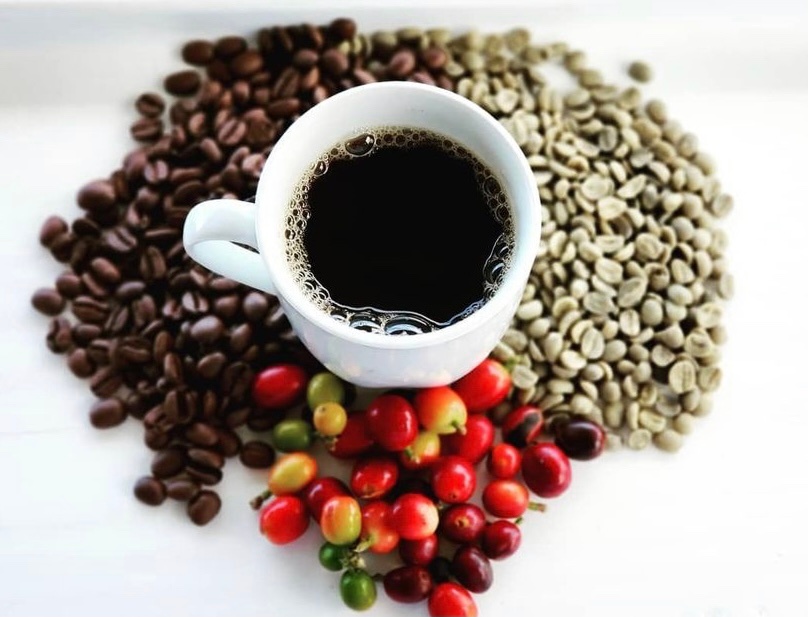
“Brew Your Best Cup”- Coffee Brewing Workshop
Heavenly Hawaiian Coffee Farm • Farm • Holualoa, Island of Hawaii • Hawaii
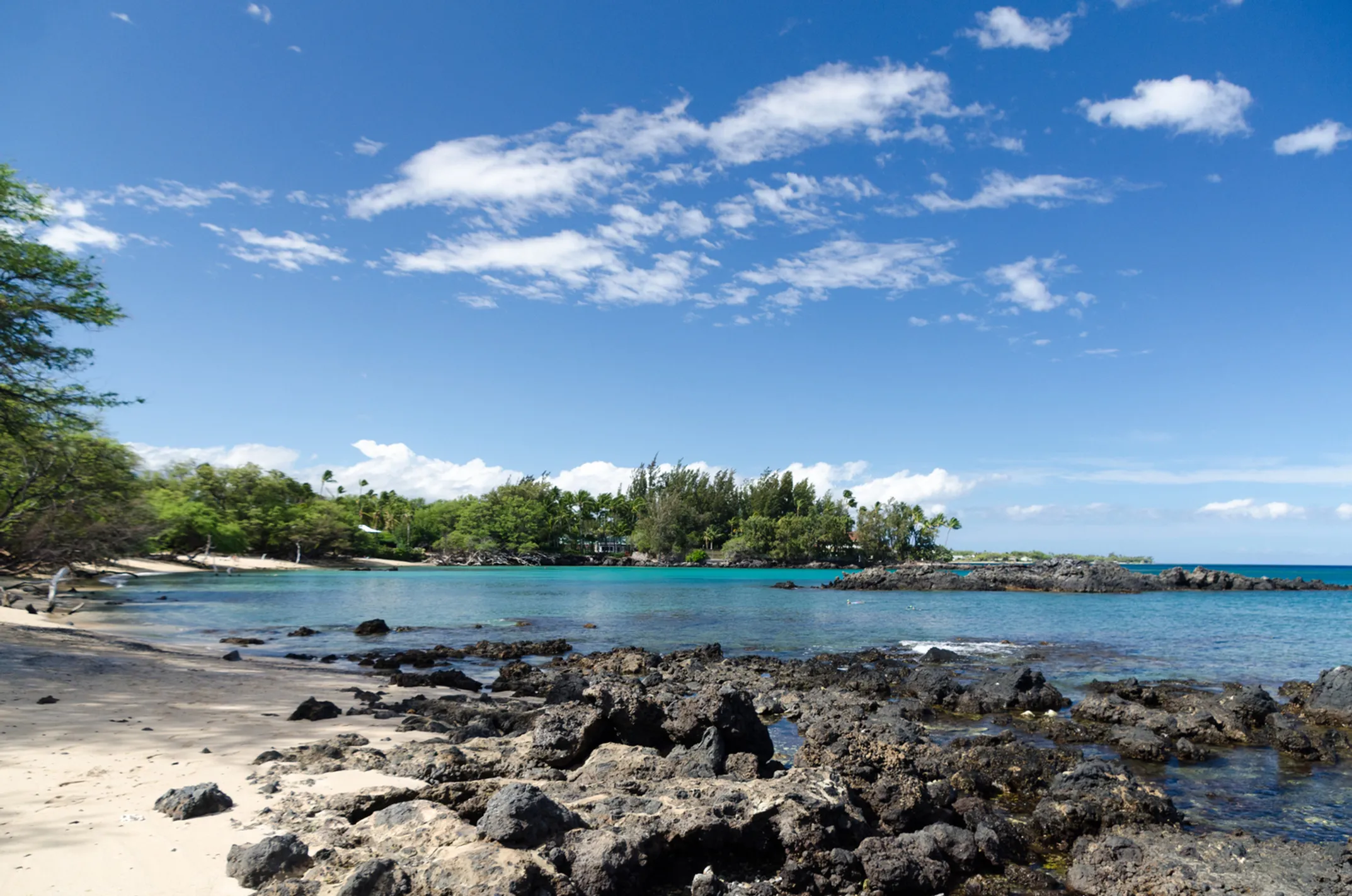
How Ancient Stones Speak to Modern Hawaiian Culture
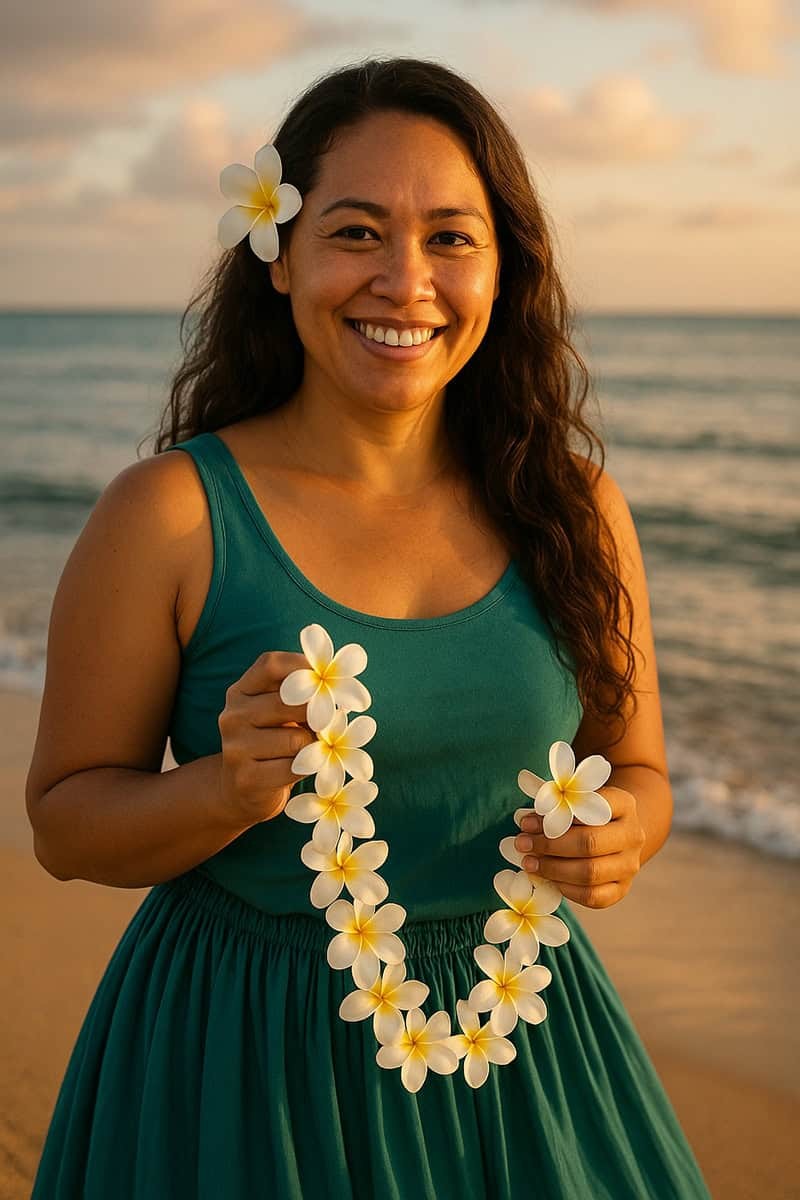
Written by a Cultural Expert
Leilani AkoLet me share something personal about why these petroglyphs matter so much to me and my family. Growing up on Oahu, I thought the Big Island sites were just tourist attractions. It took becoming a mother to understand their deeper significance.
When Malia was born, Kanoa and I talked about creating our own piko ceremony. Not at Puako—we respected the site's fragility—but at a special place on Oahu. We wanted to connect our daughter to the land in the same way our ancestors connected their children.
We chose a quiet beach on the West Side, one where my grandmother used to take me as a child. Under a full moon, we buried Malia's dried piko in the sand and covered it with a special stone from our family's land. The ceremony felt both ancient and immediate.
When Nalu was born, we repeated the ritual. This time, Malia helped choose the stone. She understood that she was helping her little brother connect to the land. The tradition was already passing to the next generation.
These personal ceremonies helped me understand the petroglyphs differently. They're not just historical curiosities. They're proof that families like mine have been connecting children to the land for nearly a thousand years. Each puka represents hopes and dreams identical to our own.
When I bring my keiki to Puako now, they see their own story reflected in the ancient images. Families holding hands. Children playing. Parents teaching. The universal experiences of human life, preserved in stone.
The petroglyphs aren't just historical artifacts. They're living parts of modern Hawaiian culture. Contemporary practitioners use these sites for education, ceremony, and cultural connection.
Hawaiian language immersion schools bring students to study the images. Children learn to read stone stories as part of their cultural education.
Hula practitioners sometimes perform at petroglyph sites. Ancient images inspire modern dance, bridging past and present through movement.
Hawaiian artists draw inspiration from petroglyph designs. Traditional patterns appear in modern artwork, finding new expressions in contemporary media.
Religious practitioners may visit petroglyph sites for spiritual purposes. The sites retain their sacred significance for modern ceremonies.
"ʻOhana means family. Family means nobody gets left behind or forgotten."
The petroglyphs remind us that family connections transcend time. Ancient families and modern ones share the same hopes and dreams.
Hawaiian culture isn't frozen in the past. It's a living, breathing tradition that adapts to modern circumstances while maintaining core values. Understanding these continuing practices deepens appreciation for sites like Puako.
Modern hula schools maintain ancient traditions while developing new expressions. Dancers learn traditional chants and understand stories told through movement.
Polynesian voyaging societies maintain ancient navigation techniques using stars, waves, and wildlife signs across thousands of miles of ocean.
Hawaiian language immersion schools teach children in their ancestral tongue, reversing the language's decline and creating new native speakers.
My own hula training shaped my understanding of Hawaiian culture. Learning to move to ancient chants connected me to my ancestors. Understanding the stories behind each dance taught me island geography and history.
Contemporary choreographers create new dances that address modern issues. Environmental protection, cultural preservation, and political sovereignty all find expression through hula. The art form remains relevant to current concerns.
As the sun sets over the Kohala Coast and the last light fades from the petroglyph field, the real journey begins. What you do with your experience at Puako matters more than what you experienced there.
The kiʻi pohaku have survived nearly a thousand years of weather, earthquakes, and human activity. They've witnessed the arrival of new peoples, the transformation of the landscape, and the evolution of Hawaiian culture. Through it all, they've maintained their essential message: we were here, this was our life, remember us.
That message isn't just about the past. It's about the future. The ancestors who carved these images wanted their descendants to remember them, learn from them, and carry their stories forward. You've become part of that chain of remembrance.
When my keiki are old enough to understand, I'll tell them that they walked among the ancestors at Puako. I'll explain that those ancient voices spoke to them across centuries of silence. I'll teach them that they have inherited both the privilege of access and the responsibility of protection.
The cycle continues. New children are born. New families form. New stories begin. The urge to mark important moments, to connect with the land, to leave evidence of our lives remains as strong as ever. The forms change, but the fundamental human needs remain constant. The petroglyphs at Puako remind us that we're part of something larger than ourselves—links in a chain of human experience that stretches back nearly a millennium and forward into an uncertain future.
Take good care
The stories carved in stone at Puako are now part of your story. Carry them forward with respect, share them with wisdom, and help preserve them for future generations.
Heavenly Hawaiian Coffee Farm • Farm • Holualoa, Island of Hawaii • Hawaii

